


Recording Software article
Recording Software for Beginners: A Complete Guide
Recording Software for Beginners: A Complete Guide
If you're new to music production and you're unsure which recording software to choose, don't overthink it. You don't need the most expensive professional tool to start making music. A simpler, more intuitive recording software often teaches faster than a complex professional option. Here's what beginners need to know.
Understanding Recording Software Basics
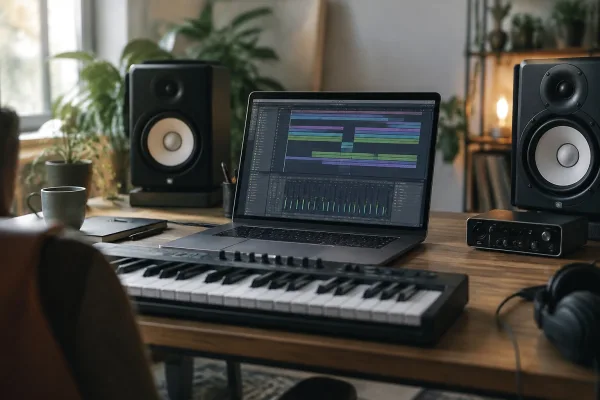
Recording software—commonly called a DAW (Digital Audio Workstation)—is the core tool for capturing and editing audio. It's where sound becomes data, where arrangements come together, and where your raw recordings transform into finished music. The software handles the recording, editing, mixing, and preparation of audio for distribution. Choose your recording software carefully because it becomes central to your workflow.
Types of Recording Software for Different Needs
Professional studios use industry standards like Pro Tools, Logic Pro or Studio One. Home producers often choose Ableton Live, Reaper, or free options like Audacity or GarageBand. Each has different strengths. Some excel at recording live bands. Others focus on electronic music production. Some prioritise ease of use; others prioritise power. Your choice depends on what you'll actually be doing.
Key Features That Actually Matter
Good recording software needs reliable audio engine, intuitive workflow, enough tracks for your needs, and a library of tools for editing. Beyond that, many features are optional. Learn the software you have thoroughly before wondering if you need something more advanced. Most limitations come from not knowing your software well, not from software limitations.
Setup and Getting Started
Recording software needs minimal setup. Install it, connect your audio interface, configure your input/output devices, and you're ready. Most tutorials will teach you quickly. The learning curve depends on the software and your prior experience. Start simple, learn one feature at a time, and build gradually.
Building Your Skills
Consistent use teaches you more than any tutorial. Start with simple recordings, master each step, then add complexity. Recording software is genuinely learnable through regular use and practice.



Comments