
UAD Audio Interfaces article
The Complete Guide to Uad Audio Interfaces
UAD audio interfaces combine professional-grade hardware with integrated DSP processing, offering zero-latency monitoring and access to premium plugin tools.
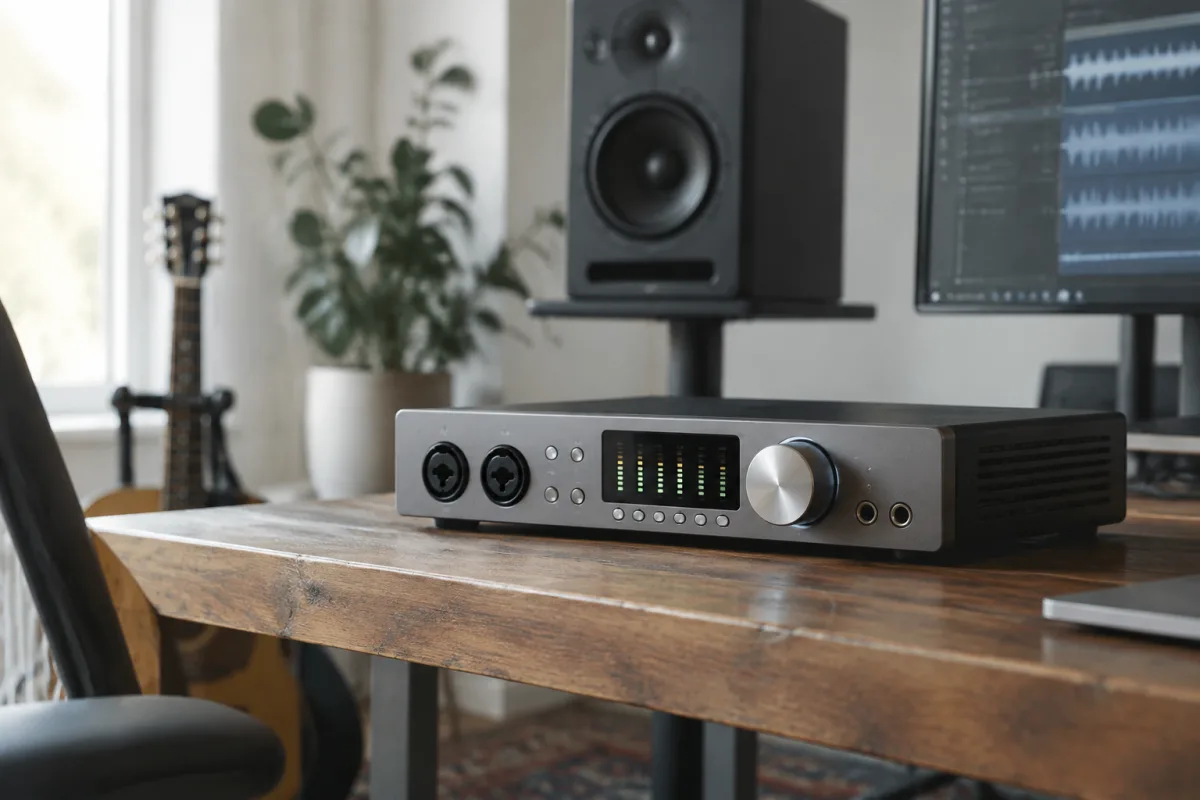
Universal Audio interfaces have become essential tools for modern recording studios, offering a unique combination of hardware quality and integrated software capabilities that streamline music production workflows. These interfaces integrate proprietary DSP processing with professional-grade analog electronics, delivering exceptionally clean recording paths and powerful real-time monitoring options. Whether you're establishing your first professional recording setup or upgrading an existing studio, UAD products provide compelling advantages and distinctive features that justify their investment.
Universal Audio's Approach to Interface Design
Universal Audio distinguishes itself through deep integration between hardware and software ecosystems. Their interfaces incorporate powerful onboard processing engines that run UAD's extensive plugin library in real-time during recording and monitoring. This approach eliminates the latency issues that plague software-based processing, allowing musicians to record with professional-grade effects and processing without experiencing the delay that frustrates many recording artists.
The company's commitment to analog signal quality remains central to their design philosophy. Each interface incorporates quality preamps, carefully designed signal paths, and rigorous testing procedures ensuring transparent, clean audio capture. The combination of exemplary analog electronics with sophisticated digital processing creates recording tools that appeal to perfectionists and professional studios worldwide.
Hardware Specifications and Quality
Universal Audio interfaces range from compact portable models to professional rack-mount systems serving large recording facilities. Entry-level models like the Apollo Solo provide two channels of professional-grade audio input/output, quality preamps, and access to UAD's plugin ecosystem. The Apollo Twin offers increased I/O capability and enhanced preamp design, whilst professional models provide expanded connectivity and studio-grade features.
The audio specifications across the range reflect professional standards, with low noise floors, high headroom, and transparent frequency response. Most models operate at 24-bit resolution with sample rates up to 192 kHz, ensuring compatibility with the most demanding recording scenarios. Preamp designs draw on decades of professional studio experience, delivering the clean, transparent capture that recording engineers expect from quality hardware.
Integrated DSP Processing
The standout feature distinguishing these interfaces lies in their integrated DSP processors. Rather than relying entirely on computer CPU resources for plugin processing, UAD interfaces run effects and processing directly on dedicated hardware. This approach delivers zero-latency monitoring with professional-grade effects, a capability particularly valuable for vocalists, guitarists, and musicians requiring immediate feedback with processed sound.
The included UAD plugin suite provides legitimate professional tools: mastering-grade EQs, compressors, reverbs, and amp simulators derived from classic analog equipment. Additional plugins available through subscription expand the toolkit continuously. This integrated processing approach transforms interfaces into complete creative tools rather than merely audio routing devices.
Software Integration and Workflow
The relationship between UAD interfaces and desktop recording software directly impacts recording workflows. The interfaces function seamlessly with major DAW platforms, providing stable, reliable connectivity and professional-grade monitoring capabilities. The included software control panels offer intuitive management of monitoring mixes, input gain, and DSP resource allocation.
Subscription services expand capability dynamically. The UAD+ subscription provides access to ever-expanding plugin libraries, ensuring your interface capabilities grow over time without requiring hardware upgrades. This approach appeals particularly to studios seeking long-term value and musicians wanting access to premium software tools without significant additional investment.
Real-World Recording Applications
In professional recording scenarios, these interfaces excel when tracking vocals, acoustic instruments, or any source requiring superior analog capture combined with immediate effect processing. The zero-latency monitoring with professional effects enables recording artists to perform with confidence, hearing themselves exactly as they'll sound on the final recording. This capability particularly benefits singers who want reverb or other processing during vocal takes.
The interfaces perform equally well in mixing scenarios, where the combination of quality converters and available plugins supports detailed mixing work without requiring expensive outboard processing. Small facilities and project studios particularly benefit from the professional capabilities provided through integrated DSP, allowing legitimate high-quality production on modest budgets.
Price and Investment Considerations
Universal Audio interfaces occupy the professional segment of the market, with pricing reflecting their specialised capabilities and quality. Entry-level models begin around £600 to £800, whilst professional models exceed £2,000. This pricing is higher than many consumer interfaces but competitive within the professional recording category when you consider included plugin value and hardware quality.
The software ecosystem factors significantly into total cost. Subscription services enable access to continually expanding plugin libraries for monthly fees, allowing flexibility in how musicians budget for tools. The combination of quality hardware, included software, and available subscription options creates several purchasing paths accommodating different budget scenarios.
Conclusion
Universal Audio interfaces represent significant investments in music production technology, delivering professional-grade recording capability combined with integrated software processing that distinguishes them from conventional alternatives. The commitment to analog quality, innovative DSP integration, and continuously expanding software ecosystem makes these interfaces valuable tools for serious recording artists, professional studios, and musicians seeking professional results from their home recording setups. For anyone prioritising recording quality and wanting sophisticated tools integrated seamlessly into their workflow, these interfaces provide compelling advantages that justify their professional-category pricing.


Comments