


Tape Emulation Plugin Buying guide
Tape Emulation Plugin: A Complete Buyer's Guide
Buying a tape emulation plugin is confusing because quality varies wildly at different price points. This guide covers specs that matter, common pitfalls, and how to test before committing.
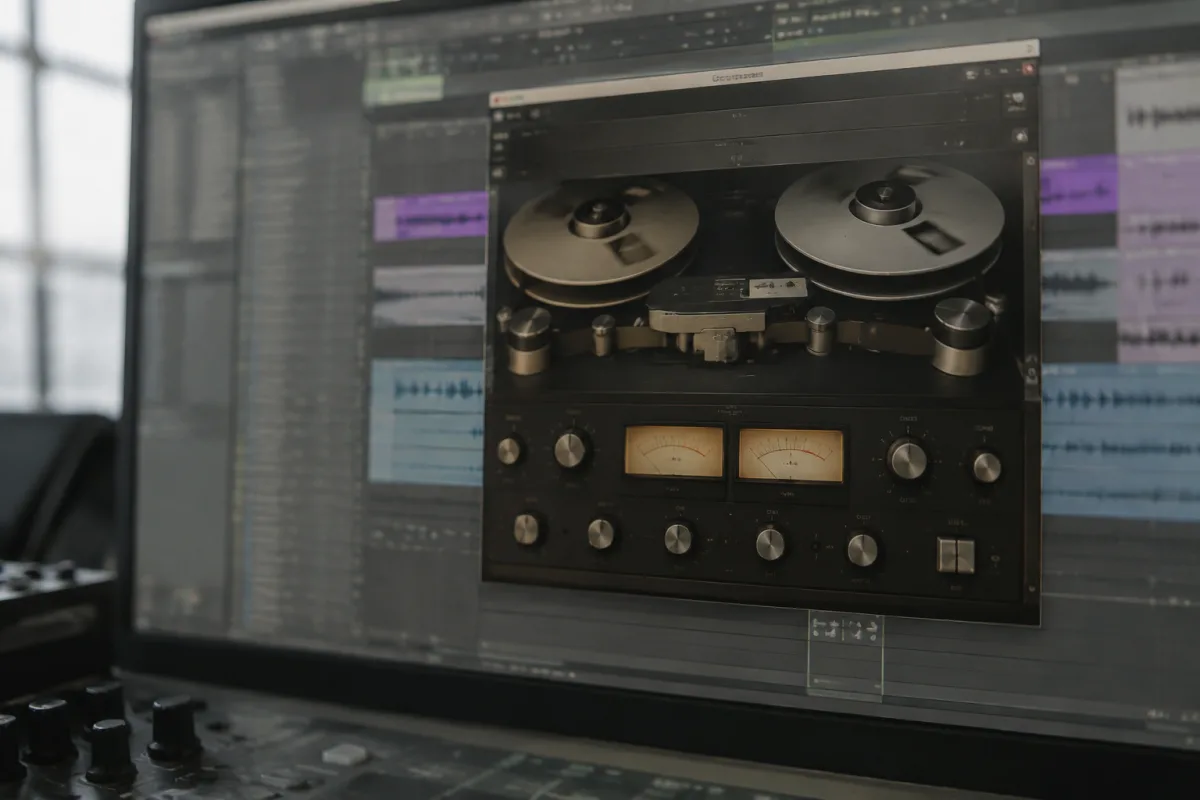
Buying a tape emulation plugin is genuinely confusing because the market is fragmented and marketing claims don't always translate to audible differences. You'll find free tape emulation plugin options that sound fantastic, £30 plugins that are overpriced, and expensive tape emulation plugin packages that deliver spectacular results. The difference isn't always obvious until you've used them in real mixes. This buying guide walks you through the specs that matter, the price tiers that make sense, and the pitfalls that trap most buyers.
Why Tape Emulation Plugin Quality Varies So Much
Every tape emulation plugin attempts to simulate how analogue tape changes sound. Different tape machines have different character—some add heavy saturation, others add subtle warmth. A tape emulation plugin might focus on one specific machine, or it might offer multiple tape types. The issue is that simulating tape properly requires significant CPU resources. Cheap tape emulation plugin algorithms cut corners, leading to subtle artifacts or artificial sound. Expensive tape emulation plugin options use more sophisticated algorithms—sometimes including modeled circuitry and complex tape physics—but that complexity demands more processing power.
Knowing this helps you understand why a £1 tape emulation plugin and a £79 tape emulation plugin might not sound vastly different in a chorus, but become obviously different in a dense arrangement where subtle distortion accumulates.
Essential Specs When Buying a Tape Emulation Plugin
When evaluating a tape emulation plugin for purchase, focus on these specifications first. Ignore marketing fluff; look at actual capabilities.
Tape Type Selection: Quality tape emulation plugin options include multiple tape formulations (Ampex 200A, Studer A80, etc.). This matters because different tape has different colour. Ampex-style tape adds more aggression; Studer-style tape adds refinement. A tape emulation plugin offering only one tape type gives you no flexibility. Look for at least three tape types in your tape emulation plugin.
Saturation Characteristics: Check whether your tape emulation plugin includes harmonic saturation control. High-quality saturation adds musicality without audible distortion. Poor saturation sounds buzzy and cheap. Listen to demo audio from the tape emulation plugin developer. If it sounds clean and warm, the saturation is working properly. If it sounds slightly fuzzy or digital, the tape emulation plugin's saturation algorithm probably isn't sophisticated enough.
Metering and Controls: Professional tape emulation plugin options include VU metering that actually shows tape saturation levels. This matters because tape saturation depends on input level—how hot you push the signal. A tape emulation plugin without metering forces you to guess. Premium tape emulation plugin versions include controls for input/output level, tape speed (which affects tone), and sometimes even mechanical tape wow and flutter.
CPU Efficiency: Check the specifications for CPU usage. Some tape emulation plugin options are ridiculously heavy on resources. If a tape emulation plugin uses 25% of your CPU on every track you add, you can't use it in serious production. Look for tape emulation plugin specifications claiming sub-5% CPU usage per instance on modern systems.
Price Tiers for Tape Emulation Plugins: What to Expect
The tape emulation plugin market has clear pricing bands, and understanding them prevents wasted money.
Free tier (£0–£5): Free tape emulation plugin options exist and some sound genuinely good. Kirchhoff Audio sells a free tape saturation plugin that's functional if basic. iZotope Trash Lite includes tape emulation as part of a larger free suite. These free tape emulation plugin options work for basic warmth but lack refinement. If you're testing whether tape emulation helps your mixes, start here.
Budget tier (£15–£40): Budget tape emulation plugin options start adding features—multiple tape types, better saturation algorithms, slightly better metering. Valhalla's VintageVerb isn't pure tape emulation but includes tape-like warmth as a mode. This tier offers decent value for home producers. However, budget tape emulation plugin options sometimes have audible coloration even when they shouldn't. Use demo versions before committing.
Professional tier (£50–£150): Professional tape emulation plugin options from companies like Universal Audio, Soundtoys, and Plugin Alliance deliver noticeably superior sound quality. Better algorithms, more tape types, superior metering, and lower CPU usage. A professional tape emulation plugin at £79 genuinely sounds different from a budget option at £29. If you mix consistently and need professional results, this tier is worth the investment. These tape emulation plugin versions often include multiple instances of tape character—different saturation curves, different noise floors, different tape effects.
Premium tier (£150–£300): Premium tape emulation plugin options include hardware modelling that meticulously recreates specific tape machines. These are statement purchases—you're not just buying a tape emulation plugin, you're buying a specific engineer's design philosophy. Exceptional tape emulation plugin options in this tier deliver remarkable results but demand CPU power and require proper metering to use effectively.
Critical Pitfalls When Buying Tape Emulation Plugins
Most buyers make predictable mistakes when selecting a tape emulation plugin. Avoid these.
- Confusing tape colour with tape quality: A distinctive tape emulation plugin that adds obvious character is not necessarily good. Great tape emulation plugin options should be transparent on clean signals and add character only when pushed. Listen to the plugin on basic material first—a sine wave, white noise—before deciding it sounds good.
- Ignoring demo versions: Almost every tape emulation plugin developer offers a limited demo. Always test the specific tape emulation plugin in your DAW before buying. "Sounds good in YouTube demos" often translates to "sounds mediocre in my mixes."
- Buying the most expensive tape emulation plugin for the wrong reasons: A £200 tape emulation plugin doesn't guarantee better results than a £60 tape emulation plugin. Match the tool to your needs. If you only mix vocals, a single-tape tape emulation plugin is sufficient. If you tape-emulate the master bus plus multiple tracks, a multi-tape tape emulation plugin option becomes more useful.
- Not testing at correct input levels: Tape emulation plugin character depends entirely on input level. Push a tape emulation plugin softly and it sounds transparent. Push it hard and it saturates. Demos often showcase the tape emulation plugin at dramatic settings. Test at realistic, moderate levels too.
- Installing without testing on the actual material you mix: Rock guitars might respond beautifully to a tape emulation plugin that does nothing special for electronic music. Always A/B test the tape emulation plugin on representative material from your genre.
- Buying multiple tape emulation plugins for subtle differences: Don't accumulate tape emulation plugin versions endlessly chasing perfect tone. One quality tape emulation plugin handles most situations. Marginal improvements don't justify quadrupling your tape emulation plugin collection.
Key Features That Justify Tape Emulation Plugin Cost
When you're torn between two tape emulation plugin options at different price points, look for these differentiators:
- True multiband processing (some tape emulation plugin options process each frequency band separately, adding realism)
- Mechanical tape effects (wow and flutter simulation adds character)
- Multiple tape formulations with different saturation curves
- Metering that shows tape saturation accurately
- Low CPU usage (efficient algorithms)
- Sidechain capability (if you're using tape emulation plugin on buses)
A tape emulation plugin offering most of these justifies premium pricing. A tape emulation plugin offering only one or two is probably overpriced for your needs.
Testing a Tape Emulation Plugin Before Buying
Use a tape emulation plugin demo version on an actual mix that represents your work. Load it across three or four tracks and listen for a full day. Does the tape emulation plugin add musicality without obvious colouration? Can you adjust it subtly enough for detail work, or does it have only extreme settings? Does the tape emulation plugin cause any processing lag or audio dropouts?
Play the mix to other ears (headphones for friends, different speakers yourself). A tape emulation plugin that sounds great on your monitors might sound boomy on reference speakers. This is your final litmus test.
For Comprehensive Comparison and Detailed Specifications
If you want complete detail about specific tape emulation plugin models, historical context, and technical specifications, our comprehensive tape emulation plugin guide covers everything. This guide focuses on the buying decision itself. Right now, remember: match your tape emulation plugin choice to your actual mixing workflow, test extensively before committing, and understand that the most expensive tape emulation plugin is not always the right tape emulation plugin for you.
Making Your Tape Emulation Plugin Decision
Start with a free or budget tape emulation plugin to understand whether tape warmth benefits your mixes. If it does, invest in a professional-tier tape emulation plugin. Avoid impulse buying on hype. Use demo versions religiously. Return the tape emulation plugin if it doesn't work after thorough testing. Most developers offer reasonable return windows, so abuse this before committing to permanent ownership.



Comments