
Synth Piano article
The Complete Guide to Synth Piano
A synthesiser piano merges the tactile expression of a traditional keyboard with powerful digital sound design. Learn what they offer and how to choose one.
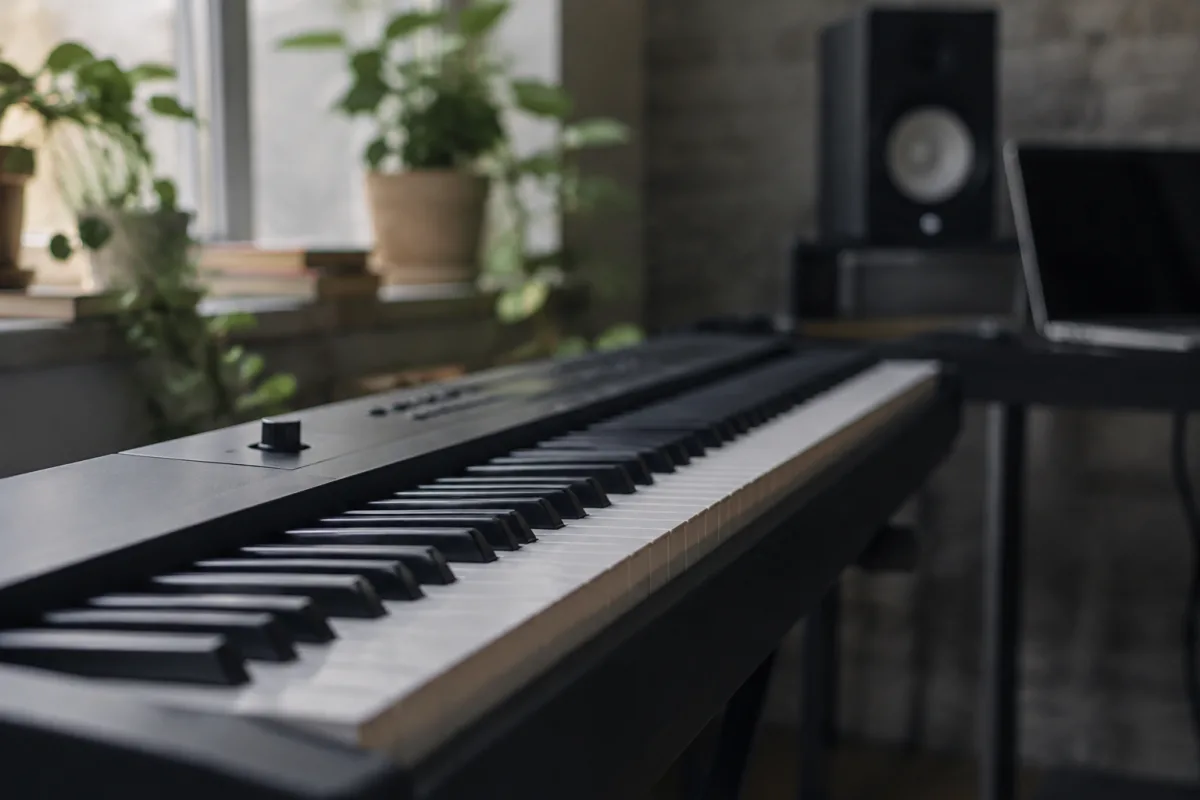
A synthesiser piano is a powerful tool for composers, producers, and performers seeking the tonal flexibility of an electronic instrument combined with the familiarity and physical expression of a traditional keyboard. Whether you're layering lush pads beneath a pop production, crafting experimental soundscapes in electronic music, or seeking an affordable alternative to an acoustic grand piano, understanding what synthesiser pianos offer and how they differ from pure synthesisers or traditional electric pianos will help you make an informed choice.
What Is a Synthesiser Piano?
A synthesiser piano blurs the line between traditional keyboard instruments and modern digital sound design. Fundamentally, these instruments combine velocity-sensitive hammer-action or semi-weighted keys with powerful DSP (digital signal processing) that generates and manipulates sound. Unlike a fixed-tone electric piano, a modern synthesiser piano lets you shape timbre, apply effects, and create entirely new sounds whilst retaining the tactile, expressive interface a pianist expects.
The appeal lies in versatility. A classical pianist can trigger acoustic grand samples with authentic key resistance, then seamlessly switch to ethereal string pads or arpeggiated bass lines without leaving the instrument. For recording studios, this means fewer keyboard instruments cluttering the setup. For live performers, it means portable sophistication.
Types of Synthesiser Pianos Available
The market offers several approaches to synthesiser keyboard design:
- Stage pianos: Emphasise authentic acoustic piano samples and traditional sound-designing features. Loved by concert pianists transitioning to portable setups. Models like the Yamaha P-125 or Roland FP-90X excel here.
- Pure synthesisers with hammer-action keys: Advanced sound design and modulation capabilities, but often less focused on traditional piano tone. Favour those who enjoy tweaking and creating custom sounds.
- Hybrid instruments: Blend acoustic piano sampling with deep synthesis capabilities and effects. The Nord Piano or Korg SoundLink exemplify this approach.
- Software synthesiser pianos: VST plugins that run on computers. Incredibly affordable, infinitely flexible, but lack the tactile feedback of hardware.
- MIDI controller keyboards: Trigger synthesiser software without built-in sounds. Lightweight and portable but require a computer and setup.
Key Features to Consider
When evaluating different options, these specifications matter:
| Feature | What It Does | Why It Matters |
|---|---|---|
| Key action | How keys feel and respond (weighted, hammer-action, semi-weighted, unweighted) | Hammer-action mimics acoustic pianos best; unweighted keys suit electronic/synth players. Your playing style and preference should guide this choice. |
| Sound engine | The technology generating tones (sampled acoustic pianos, modelled synthesis, wavetable synthesis) | Quality sampling results in authentic acoustic tone; deep synthesis offers endless creative possibilities. Best instruments combine both. |
| Effects and processing | Built-in reverb, delay, chorus, compression, distortion | On-board effects shape your tone without external gear. Premium models offer more sophisticated processing. |
| MIDI capability | Ability to control external synthesisers and software via MIDI | Essential if you're integrating with a larger setup or using DAW plugins. All modern synthesiser pianos support this. |
| Connectivity | USB, Bluetooth, audio outputs, pedal inputs | USB connectivity lets you record directly into a DAW. Multiple outputs suit more complex rigs. Check your specific needs before purchasing. |
Popular Synthesiser Piano Models
Several instruments have earned trust from professionals:
- Yamaha P-125: Portable stage piano with authentic acoustic sampling, hammer-action keys, and solid effects. Excellent entry into the synthesiser piano world.
- Roland FP-90X: Professional stage piano with remarkable sound engine, sophisticated modelling, and plenty of expression controls. A favourite of touring performers.
- Nord Piano 3: Hybrid instrument combining sampled acoustics with Nord's legendary synthesis capabilities. Premium pricing but unmatched creative potential.
- Korg Kross 2: Powerful workstation blending synthesis, sampling, and sequencing. Suited for producers and experimenters more than pure pianists.
- Dexibell Vivo S7: Compact stage piano with beautiful acoustic samples and intuitive interface. Growing favourite among session musicians and touring players.
Using a Synthesiser Piano in Your Setup
Integration depends on your context. In a live band, a synthesiser piano connects to a powered monitor or PA system via audio outputs and a footpedal controller (for sustain, expression, switching). In the studio, USB connection to your computer and DAW lets you record performances directly or use the keyboard to control virtual instruments. Some performers combine both approaches—using a hardware synthesiser as the primary sound source with computer backup triggering soft synth alternatives.
MIDI integration is crucial for modern workflows. A quality synthesiser piano should offer full MIDI I/O, letting you control external gear and respond to data from your DAW. This transforms a keyboard from a standalone instrument into the hub of a larger production ecosystem.
Sound Quality and Creative Possibilities
Modern synthesiser pianos sample acoustic grands at multiple velocities and round-robin layers, creating remarkably authentic piano tones. The acoustic samples are often sourced from world-class concert instruments—Steinways, Yamahas, Bosendorfers. When layered with reverb and subtle effects, they rival recording-quality acoustic pianos at a fraction of the cost and footprint.
The synthesis engine lets you layer these piano tones with pads, leads, and bass sounds, creating rich arrangements from a single keyboard. The best models offer intuitive sound design, letting you tweak parameters in real time without diving into menus.
Choosing Between Hardware and Software
A hardware synthesiser piano is immediate, tactile, and requires no computer. Perfect for live performance and musicians who prefer hardware immediacy. Software synthesiser pianos (Spectrasonics, Native Instruments, Addictive Keys) offer unmatched flexibility at lower cost but demand a capable computer and setup. Many professionals use both—hardware for live work and creative inspirational sketches, software for detailed arrangement and mixing.
Conclusion
A synthesiser piano opens creative doors whilst honouring the expressive tradition of acoustic keyboard performance. Whether you choose a stage-focused model, a hybrid instrument blending sampling and synthesis, or software running on your computer, the key is finding an interface that feels natural to your hands and a sound engine that inspires your creativity. Take time to audition different models, trust your ears, and invest in an instrument whose expressive potential excites you. Your musical voice will be richer for it.


Comments