


Sample Packs Buying guide
Sample Packs: A Complete Buyer's Guide
Sample packs are valuable tools for producers, but thousands exist at different price points and quality levels. This buying guide helps you choose sample packs that enhance your production without overwhelming your budget.
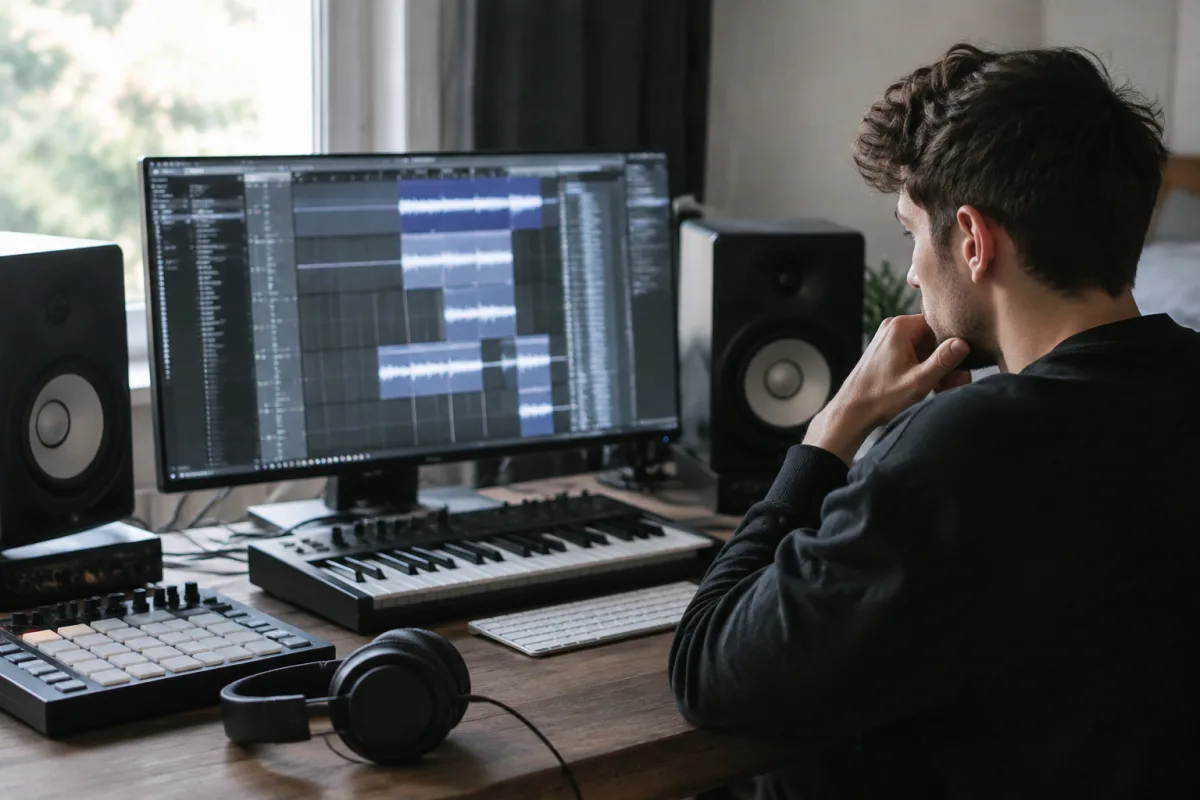
Sample packs are essential tools for modern music producers. Whether you're creating electronic beats, adding drum layers to hip-hop tracks, or finding unique atmospheric sounds, the right sample packs accelerate creativity and save countless hours hunting for sounds online. But thousands of sample packs exist across genres, quality levels, and price points. Which ones are worth buying? Which are overpriced marketing? How do you build a collection without spending hundreds while still getting genuinely useful sounds? This buying guide walks you through selecting sample packs that enhance your production without overwhelming your budget or your hard drive.
Understanding What Sample Packs Are
A sample pack is a collection of pre-recorded audio snippets—usually drums, synth sounds, loops, one-shots, or atmospheric textures—bundled together and sold as a single purchase. Here's what you get:
- Drums: Individual kick, snare, hi-hat, and percussion samples you layer together. Essential for beat-making.
- Loops: Pre-recorded musical phrases (usually a few seconds) you can drag into your arrangement. Useful for quick inspiration or as arrangement foundations.
- One-shots: Single instrument sounds (a piano note, a synth pluck, a vocal chop) without ambient tail. Layer these to build custom sounds.
- Atmospheres/pads: Textural, ambient sounds for adding depth and space.
- Synth presets: Digital instrument settings recreating professional sounds. Load them into your synth and adapt them.
- Vocals and acapellas: Vocal performances or singing without backing music. Process and rearrange them into your tracks.
Sample packs exist for nearly every genre: hip-hop, EDM, trap, lo-fi, synthwave, ambient, R&B, and beyond. Your job is finding packs matching your production style and needs.
What to Look For When Buying Sample Packs
These criteria help you evaluate whether a pack is worth purchasing:
- Sound quality: Are samples professionally recorded and processed? Poor quality samples—muddy drums, muffled synths, noisy recordings—are never useful, no matter how cheap. Download demo packs from reputable producers to hear quality firsthand before committing.
- Usability and organisation: Are samples clearly labeled? Are loops tempo-synced? Can you quickly find what you need? Poorly organised packs waste time during creative sessions. Good packs have clear folder structures and descriptive filenames.
- Uniqueness: Will these sounds appear in thousands of other producers' tracks (limiting how distinctive your music sounds)? Premium packs offer more unique content. Free or ultra-cheap packs often contain overused samples.
- Variety within the genre: Does the pack offer multiple drum kits, synth sounds, or styles within its theme? Variety lets you create diverse tracks without buying dozens of packs.
- Licensing terms: Can you legally use these samples in commercial releases? Many packs include royalty-free licenses for commercial music. Some restrict commercial use or require attribution. Verify licensing before purchasing.
- File format and compatibility: Are samples WAV (high quality, universal compatibility) or proprietary formats? Do they work in your production software? WAV samples are always safer than format-specific proprietary files.
- Audio specifications: What's the sample rate? 44.1 kHz is standard; 48 kHz is professional. What bit depth? 24-bit is superior to 16-bit and worth the extra file size. Poor specs limit sound quality.
Common Sample Pack Categories
Understanding pack types helps you build a balanced collection:
Genre-specific packs: Packs focused on hip-hop, trap, lo-fi, EDM, etc. Great for staying within a genre aesthetic. Risk: generic sounds everyone else also has.
Drum kit packs: Focused purely on drums—kicks, snares, hi-hats, percussion. Essential if you beat-make. Multiple drum kits let you create variety in percussion sounds.
Loop-focused packs: Full arrangements broken into individual loops. Great for quick production but risk sounding less original than using one-shots.
Producer signature packs: Packs curated by famous producers featuring their favourite sounds and preset settings. Often expensive but contain genuinely professional-quality, unique sounds.
Sound design packs: Unusual, experimental sounds—atypical drums, weird synths, vocal effects. Good for standing out but risky if you're unsure how to integrate unusual sounds.
Royalty-free music loops: Full songs or substantial sections royalty-free for licensing into your projects. Useful for certain applications but potentially limiting if overused.
Pricing and Value Strategy
Sample packs range from free to £100+. Here's how to think about pricing:
Free sample packs: Genuinely useful for beginners and exploration. Downsides: often heavily used by other producers, inconsistent quality. Use free packs to learn what you like, then upgrade to paid versions.
Budget packs (£5–20): Good value for decent quality. Often bundled deals or clearance sales. Useful for supplementing premium packs with genre-specific variations.
Mid-tier packs (£20–50): Where quality jumps noticeably. Better samples, better organisation, more usable material. This tier offers the best value-for-money for serious producers.
Premium packs (£50–100+): Producer signature packs, extremely unique sounds, or comprehensive bundles covering everything you need. Buy if you're committed to a genre and want the best quality.
Subscription services (£8–20/month): Monthly access to thousands of packs. Economical if you use samples frequently, but you lose access when subscription ends. Commit only if you'll use it regularly.
Common Buying Mistakes
These errors lead to wasted money or unused samples:
- Buying too many packs at once: Beginners often get overwhelmed and buy dozens of packs thinking more choice = better creativity. Instead, you get decision paralysis and rarely use most of them. Start with 2–3 quality packs and expand gradually.
- Buying overused packs: If a sample pack is super cheap and wildly popular, thousands of other producers have it. Your production will sound generic. Spend slightly more on less ubiquitous packs.
- Ignoring licensing restrictions: Buying a "royalty-free" pack then using it in a commercial release only to discover it required attribution or didn't allow commercial use is frustrating. Read licenses carefully.
- Buying packs in a genre you don't actually produce: That amazing trap pack is useless if you produce ambient music. Buy packs matching the music you actually create, not music you think is cool.
- Prioritising quantity of samples over quality: A £10 pack with 10,000 samples is worthless if they're all low-quality. A £30 pack with 200 meticulously selected, professional-grade samples is worth far more.
- Skipping demo packs before committing: Most reputable sample pack sellers offer demo versions. Download demos, listen, and verify quality before paying. Demos prevent regretful purchases.
- Assuming expensive packs guarantee creative success: A £100 pack from a famous producer sounds fantastic but won't automatically make your music better. Technical skills and creativity matter more than sample pack prestige.
Building a Balanced Sample Pack Collection
Rather than buying randomly, strategically build a collection:
Foundation (£0–40): Start with one free pack and one quality mid-tier pack (£20–40) in your primary genre. This gives you solid fundamentals.
Expansion (£40–100): Add a drum kit pack (£30) and a specialised pack addressing your weakest areas (atmospheric sounds, unique drums, vocal chops). This gives you character and variety.
Deepening (£100+): Once you've worked extensively with your foundation packs, invest in premium packs or subscriptions if you're producing seriously. By this point, you know exactly what you need.
This progression prevents overwhelming yourself while building a genuinely useful collection matched to your actual production needs.
Where to Buy Sample Packs
Reputable sources for quality packs:
- Splice: Subscription model, massive library, professional quality. Monthly commitment but unlimited access.
- Producer signature platforms: Artists and labels sell packs directly. Quality varies but often exceptional because the creator's reputation is at stake.
- Audio retailers: Dedicated music software stores sell individual packs from multiple publishers. Good for comparison shopping.
- Freebies from DAW developers: Your production software often ships with sample packs included. Start here—explore what you have before buying more.
- Direct from developers: Many sample pack creators sell directly from their websites, sometimes at discount prices. Support independent creators directly.
Avoid suspicious freebies or suspiciously cheap packs from unknown sources. You risk malware or licensing issues.
The Sample Pack Dilemma
Here's the truth: quality samples don't guarantee quality music. A mediocre producer with premium samples still creates mediocre music. A skilled producer with basic samples creates quality music. Sample packs are tools, not solutions. Buy them strategically, understand your genre's sonic palette, and focus on developing your production skills.
For a comprehensive overview of sample packs, detailed reviews of popular collections, and genre-specific recommendations, explore the complete guide to sample packs. But when choosing what to purchase, use this buying guide's framework to make smart decisions that serve your creativity without wasting money.
Your First Purchase
Start with a free pack in your genre, explore it thoroughly, and understand what sounds appeal to you. Then invest £25–40 in one quality mid-tier pack matching your production style. Use that for several months, develop your sonic identity, then expand strategically. Patience and intentionality in building your sample pack collection pay dividends.


Comments