


Royalty Free Samples Buying guide
Royalty Free Samples: A Complete Buyer's Guide
Purchasing royalty free samples means understanding licensing rights, file quality, and pricing tiers. Learn what to check before buying and which platforms deliver real value.
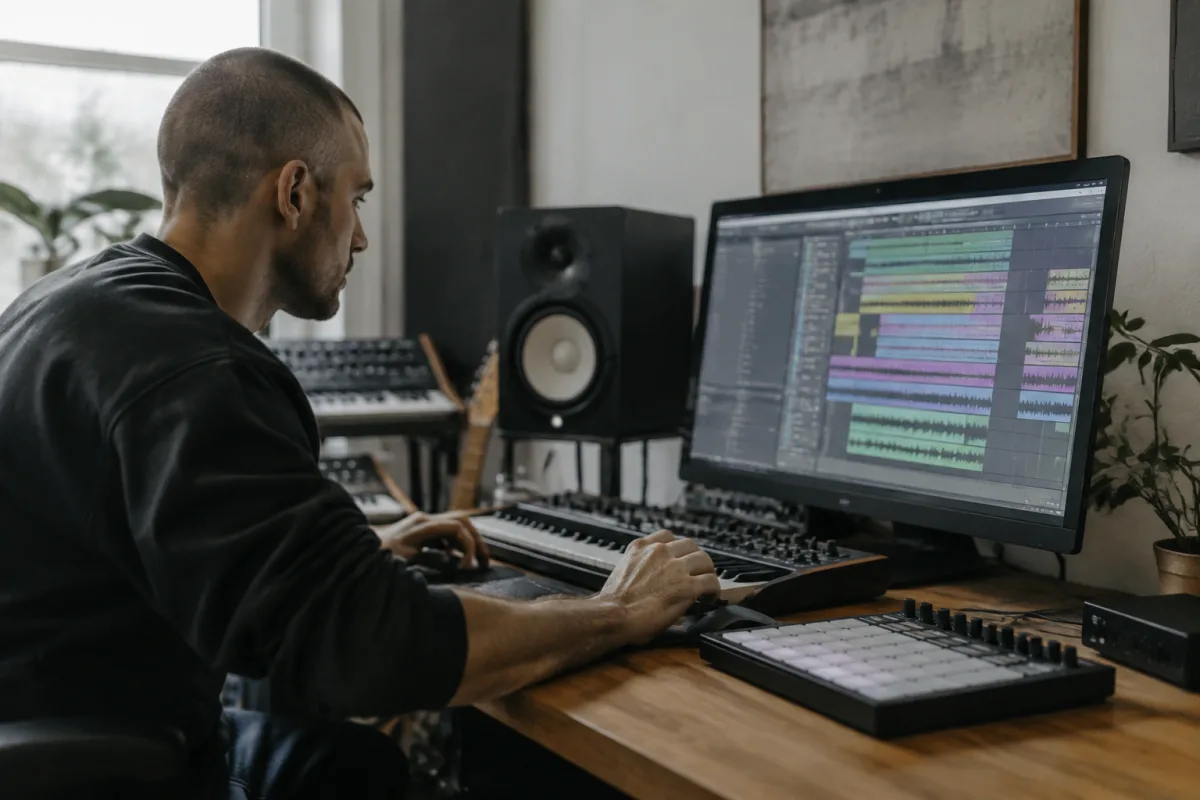
Whether you're producing a track, composing for film, or building a podcast, royalty free samples are essential tools. But purchasing the right royalty free samples means understanding licensing agreements, file formats, and which platforms actually deliver quality. This buying guide walks you through the decisions that matter, so you invest wisely and avoid costly licensing mistakes.
Understanding Licensing Before You Buy
This is the most important step. Royalty free doesn't mean free from payment—it means you don't owe royalties to the original artist when you use the sample. But licences vary dramatically. Before clicking purchase, understand:
- Personal vs. Commercial Use: Can you use the sample in profit-generating projects? Some licences restrict commercial exploitation entirely.
- Attribution Requirements: Must you credit the sample creator? Some licences demand credits in your track description or metadata.
- Modification Rights: Can you pitch-shift, loop, or chop the sample? Restrictive licences may forbid alterations.
- Exclusive vs. Non-Exclusive: Exclusive samples cost more but guarantee other producers won't use identical material. Non-exclusive samples are cheaper but ubiquitous.
- Broadcast and Sync Rights: If your music will play on radio, television, or streaming platforms, verify that your sample licence covers broadcast. Many don't.
Always read the full licence before purchasing. A cheap sample with restrictive terms often costs more in lost opportunities than an expensive sample with generous rights.
Price Tiers and What You're Paying For
| Price Range | Typical Features | Best For |
|---|---|---|
| £0–£2 per sample | Non-exclusive, basic licence, lower quality common | Learning, YouTube videos, hobbyist projects |
| £2–£10 per sample | Non-exclusive, commercial-friendly, good quality | Professional music production, small budgets |
| £10–£50+ per sample | Often exclusive or limited, premium quality, premium support | High-profile releases, sync licensing, cinematic work |
| £20–£200/month (subscription) | Unlimited downloads, commercial rights included | Prolific producers, studios with consistent output |
For most producers, non-exclusive samples at £2–£10 strike the best balance between cost and usability. Subscription plans make sense if you're using dozens of samples monthly; otherwise, pay-per-sample is more economical.
Critical Features to Check Before Purchasing
Audio Quality and Format
Always check the maximum file resolution offered. 24-bit, 48kHz WAV files are the professional standard. Some platforms offer MP3 only, which is cheaper but limits future-proofing—your project might need higher resolution later. Verify that lossless formats (WAV, AIFF) are available, especially for critical elements like drums or vocals.
Sample Length and Looping Potential
Read the description carefully. A 2-bar drum loop is useless if you need 4 bars or 8 bars. Check whether the sample is designed to loop seamlessly. Some sources provide multiple lengths of the same sample; others provide only one.
Metadata and BPM Information
Professional royalty free samples include metadata: BPM, key, tempo, and tagging information. This matters enormously if you're matching multiple samples in a session. Poor metadata means manual work and potential timing issues.
Preview Quality
Never buy on preview alone. Download samples from platforms that offer full-quality previews, not compressed versions. Compressed previews hide audio artefacts and quality issues that become obvious in your mix.
Licence Breadth
Check whether the licence covers all your intended uses. If you're creating content for YouTube monetisation, Spotify streaming, sync licensing, or broadcast, verify explicitly that these are permitted under the royalty free licence.
Common Purchasing Mistakes to Avoid
- Assuming all royalty free samples have identical licences. They don't. Read every licence. One platform's "royalty free" may restrict commercial use; another platform's includes broadcast rights.
- Buying exclusive samples when non-exclusive does the job. Exclusivity costs 5–10x more. Unless you're concerned about competitors using the same sound, non-exclusive is perfectly legitimate.
- Ignoring file format and resolution. You can't upgrade MP3 to WAV. Always purchase the highest resolution available, even if you don't need it immediately.
- Skipping the preview or trusting preview quality alone. Download samples and test them in your DAW at full gain and mix settings. A sample that sounds great in isolation can clash with your arrangement.
- Overlooking attribution requirements. Some licences demand credits. Forgetting to credit means violating the licence. Always document where samples came from.
- Purchasing based on price alone. The cheapest sample often sounds cheap. Mid-tier samples from established platforms typically offer better value than bargain-basement options.
Choosing Between Marketplaces: Key Differences
Different platforms serve different needs. Some specialise in commercial music production; others focus on cinematic scoring or electronic music. Some offer unlimited subscription downloads; others charge per sample. Consider your workflow: do you need browse-and-download speed, or are you willing to wait for curation? Do you prefer flexibility of per-sample purchases, or commitment to a subscription?
Reputable platforms clearly display licence terms, offer legitimate customer support, and provide download resumes if files get corrupted. Avoid platforms that hide licence details or lack customer service.
Building Your Sample Library Strategically
Rather than buying randomly, plan your purchases. Identify gaps in your current library: do you need more drum breaks? Melodic elements? Textures? Start with versatile, genre-neutral samples that work across multiple projects. Build your collection gradually rather than bulk-buying unfamiliar content.
Quality platforms allow you to wishlist samples before purchasing, so you can audition them in your project first. Use this feature—it saves money by eliminating impulse buys.
For a detailed comparison of sample types, formats, and comprehensive platform reviews, explore our complete guide to royalty free samples.
Making Your Purchase With Confidence
Buying royalty free samples is an investment in your sound. Take time to verify licensing, preview in your DAW, and purchase from established platforms. Cheap samples with poor licences ultimately cost more through limitations and legal uncertainty. Quality samples with clear, generous licences give you creative freedom and peace of mind.
Start with a small, intentional purchase from a platform you've researched. Build your sample library strategically over time, and you'll develop a distinctive, professional sound.



Comments