


Romantic Piano VST Buying guide
Romantic Piano Vst: A Complete Buyer's Guide
Selecting the right romantic piano VST means understanding tone, pedal response, and legato quality. Learn what specs matter and which price tier suits your needs.
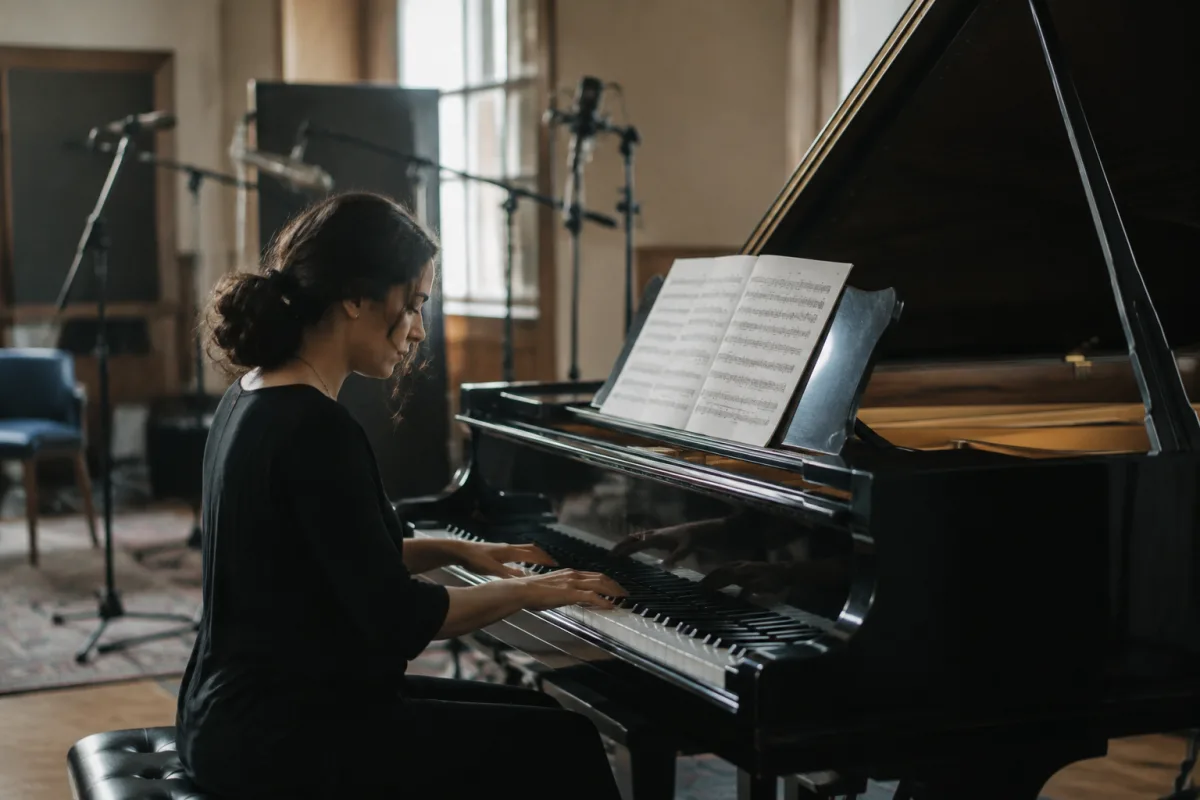
Selecting the Right Romantic Piano VST for Your Style
Choosing a romantic piano VST means weighing tone character, sampling fidelity, expression control, and price. Every high-end piano library captures a different instrument in a different space, and the subtle differences matter hugely in romantic and classical contexts where nuance is everything. This guide walks you through what to listen for and which features distinguish the worthy options from the merely adequate.
The Critical Listening Points
Start with the attack and release envelope. How does the piano sound when you first strike a note? Does it jump in cleanly, or does it have a slight, natural swell? How does it decay? Real pianos have a gradual, singing release; inferior samples cut off abruptly or sound thin. In romantic music, where every note breathes, this matters profoundly. Load a test chord and hold it for several seconds—mediocre libraries sound obviously synthetic by the sustain tail.
Pedal response is equally important. A romantic piano lives on the sustain pedal. When you engage it, do samples bloom into each other with warmth, or do they just get louder? Good libraries model the physical pedal behaviour: strings vibrating sympathetically, subtle pitch shifts, harmonic richness. Poor ones simply extend note decay. Listen to a legato passage with pedal—this reveals everything.
Velocity sensitivity and tone shaping distinguish amateur from pro. Strike 20 identical notes at different velocities. Do they sound musically distinct—soft, warm, present—or identical? Can you hear the difference between playing at velocity 30, 60, and 120? Romantic pieces demand dynamic expression; a velocity-insensitive piano sounds like a sequencer.
Sampling Quality and Sample Size
Most top-tier libraries sample a real instrument across 88 keys at multiple velocities and pedal states. This demands vast storage: EastWest's Steinway Grand Piano is 40GB; Spitfire's Piano Brilliance is 30GB. These libraries sound exceptional because they capture the acoustic reality of the instrument. Smaller libraries (2–5GB) use smart algorithms to interpolate between lower sample density, which saves space but sacrifices subtle tonal variation.
For romantic music, size matters. The largest libraries—Spitfire, Native Instruments, EastWest—offer the most convincing legato, sustain, and pedal interaction. Smaller libraries are adequate for orchestral mockups but often sound plasticky in solo romantic contexts.
Price Tiers and Value Judgment
Free (£0–50): Bargain libraries exist. Some are genuinely capable; most sound thin and have limited pedal modelling. Reasonable for learning or mockups, but they won't satisfy critical listening in a finished romantic composition.
Budget (£100–200): This tier offers decent fidelity and legato. Native Instruments Komplete or Spitfire Studio Piano are solid here. They sound musical and responsive, good for songwriting and film scoring. Expression is workable but not exceptional.
Professional (£300–600): Here you get top-tier sampling, nuanced pedal modelling, multiple microphone positions, and exceptional expression control. EastWest Steinway, Spitfire Piano Brilliance, and VSL Solo Piano belong here. These are used on professional recordings.
Specialist (£600+): Niche instruments (a specific vintage Steinway, a restoration harpsichord) or complete piano suites with multiple articulations and reverb spaces. Overkill for most—buy only if you've mastered professional-tier options and hear specific gaps.
Critical Questions Before Purchasing
Can you load multiple microphone positions and blend them? Some libraries offer close, room, and hall mic setups. This flexibility is gold for romantic music—close gives intimacy, room adds body, hall creates space. Single-mic instruments are limiting.
Does the library include true legato sampling? Legato is where sampled pianos either shine or fail. Real legato means overlapping samples that simulate how a pianist's fingers flow between notes. Fake legato just connects notes with crossfades—it sounds stiff. Listen to a romantic phrase played legato on a demo before buying.
Are there independent pedal controls? You need to modulate the sustain (loud) and soft (una corda) pedals separately for authentic playing. Some cheaper libraries bundle them or omit the soft pedal entirely.
What's the CPU overhead? Some libraries are extremely efficient; others demand 4 cores and high RAM. Check requirements and test with your system before committing.
Common Purchasing Mistakes
Don't assume "largest library" equals "best sound." A 60GB piano with mediocre sample design sounds worse than a 15GB one with excellent sound design. File size alone tells you nothing. Listen to demos.
Don't fall for marketing hype. Phrases like "Hollywood-grade realism" or "captured in a legendary concert hall" don't guarantee romantic warmth. Demo the library on the actual music you're writing. If it doesn't inspire you, no amount of prestige makes it right.
Don't ignore the learning curve. Some libraries (like Spitfire) prioritize immediacy and ease of use. Others (VSL, EastWest) offer vast expression controls but demand serious time to master. Beginners benefit from simpler libraries; advanced users appreciate the depth.
Building Your Piano Arsenal
Most professionals own one versatile piano library (for most jobs) and one specialised option (for specific pieces). Start with a solid professional-tier library—Spitfire, EastWest, or Native Instruments—and master it. Once you know its limitations intimately, add a specialist if needed. For most romantic music, one excellent library suffices.
For more detail on how to integrate romantic piano VSTs into orchestral and chamber arrangements, and how they compare to other keyboard plugins, see our complete guide to romantic piano VSTs.


Comments