
Drum and Rhythm Machine article
The Complete Guide to Drum And Rhythm Machine
Drum and rhythm machines have evolved from simple beat makers into sophisticated production instruments. This guide explores how these machines work, different styles and how to select one that serves your musical creativity.
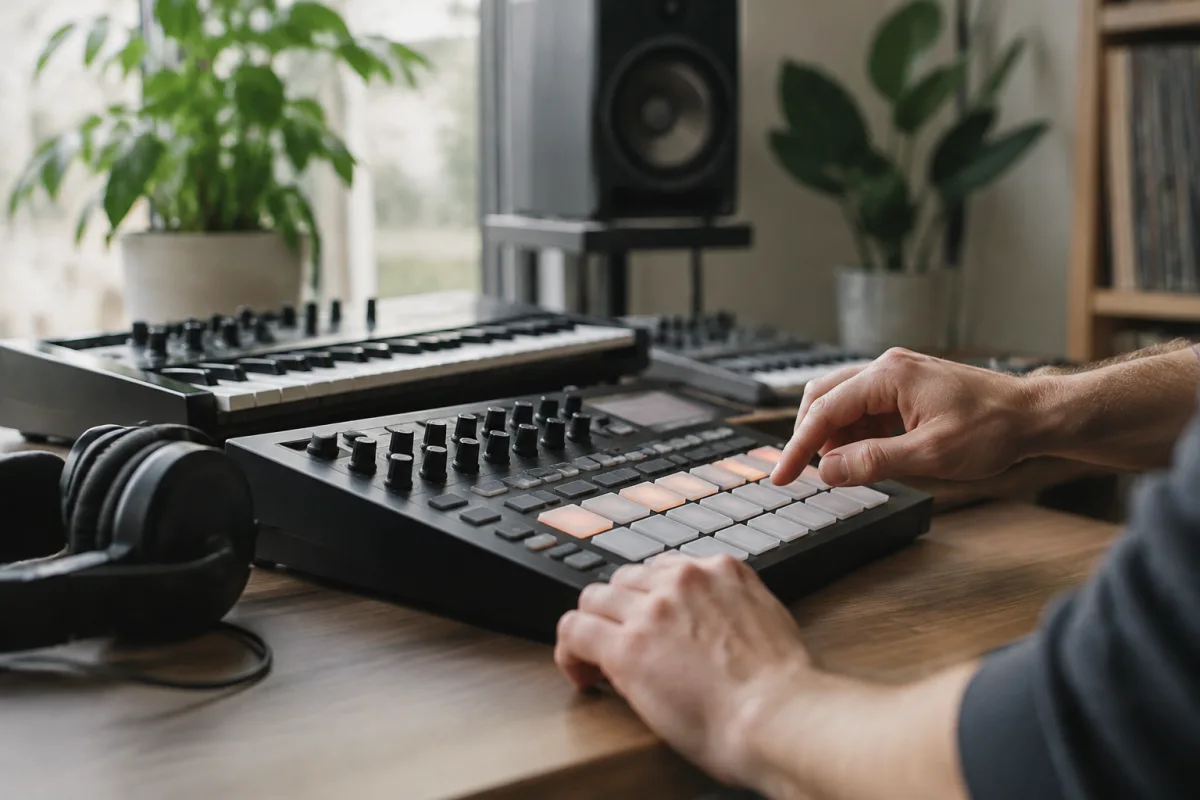
Drum and rhythm machines have evolved from simple metronomes into sophisticated instruments capable of creating complete, human-sounding drum parts. Whether you're a producer building electronic tracks, a songwriter arranging demos or a live performer needing reliable backing rhythms, a quality drum and rhythm machine transforms your creative process. This guide explores how these instruments work and how to select one that serves your musical needs.
Understanding Drum and Rhythm Machines
A drum and rhythm machine automatically plays drum sounds in patterns you program or select from presets. Unlike live drummers, a drum and rhythm machine offers perfect timing consistency, unlimited takes with identical sound, and the ability to program complex rhythms impossible for humans to perform. Early machines used analogue circuits; modern units are digital workstations combining sequencing, synthesis and sampling into sophisticated music production tools.
Drum machines come in two primary forms: standalone hardware units you program with buttons and knobs, and software instruments (plugins or apps) running on computers. Both approaches offer identical core functionality—pattern programming, sound selection and playback control—with different ergonomic trade-offs between tactile hardware feel and computer screen flexibility.
Key Features of Drum and Rhythm Machines
A quality drum and rhythm machine includes a step sequencer for programming patterns note-by-note, time signatures from straight 4/4 to complex polyrhythms, and swing controls adding human-like timing variations. Sound libraries with hundreds of drum kits (acoustic, electronic, sampled, synthesised) let you explore diverse rhythmic character without external sources.
MIDI compatibility transforms a drum and rhythm machine into a flexible production tool. Receive MIDI from keyboards and controllers, trigger samples from external instruments, sync with other sequencers and synchronise to your digital audio workstation's tempo. Standalone hardware units with built-in drum sounds operate independently; software instruments running inside your DAW integrate seamlessly with your entire production workflow.
Rhythm Styles and Pattern Types
| Style | Characteristics | Best Uses |
|---|---|---|
| Acoustic drum kits | Realistic sampled or synthesised acoustic drums | Rock, pop, blues, song arrangements |
| Electronic/synthesised drums | Punchy, artificial sounds with character | Electronic music, dance, experimental |
| Drum loops (prerecorded) | Professional grooves played by session musicians | Composing, arranging, reference takes |
| World rhythms | Percussion patterns from global traditions | World music, fusion, cultural exploration |
| Latin percussion grooves | Clave, salsa, bossa and samba patterns | Latin music, funk, dance music |
Programming custom patterns gives maximum creative control but demands time investment. Using presets and loop libraries accelerates production but can result in conventional grooves. The best approach combines both: start with preset grooves for direction, then customise the parts you want to personalise.
Selecting a Drum and Rhythm Machine
Entry-level units cost £100–£300 and include basic drum sounds, simple sequencing and preset patterns adequate for beginners learning beat production. These machines teach foundational rhythm concepts without overwhelming options.
Professional hardware drum and rhythm machines (£500–£3,000+) offer extensive sound libraries, complex sequencing, physical controls for real-time tweaking and professional build quality. These suit producing music professionally or performing live with reliable, feature-rich instruments.
Software drum and rhythm machines (£50–£500 for quality plugins) offer unlimited sounds, endless editing possibilities and seamless DAW integration. A computer-based approach appeals to producers comfortable with screens and keyboard editing; hardware units suit musicians who prefer tactile control and standalone operation.
Programming Patterns on Your Drum and Rhythm Machine
Start with simple patterns establishing clear kick, snare and hi-hat relationships. The kick drum typically marks downbeats; the snare arrives on 2 and 4; the hi-hat subdivides the beat. Once basic structure works, add complexity—syncopation, ghost notes, dynamic variation—that makes rhythms feel alive and interesting.
Humanisation—subtle timing and velocity variations mimicking human imperfection—transforms robotic-sounding drum and rhythm machine patterns into grooves that breathe. Most machines offer swing and groove quantise controls, letting you push notes slightly ahead or behind the beat for a relaxed, played-in feel.
Integration With Music Production
Your drum and rhythm machine becomes the backbone of your production workflow. MIDI export lets you record patterns as data, edit individual notes, quantise timing to perfection and re-program parts endlessly. Audio export captures finished grooves as recorded tracks you can layer, blend and process within your mix.
Triggering drum and rhythm machine sounds from external keyboards and controllers adds expressive, human-played elements to programmed grooves. Play hi-hat patterns live over programmed kick and snare, or occasionally play random tom fills breaking up perfect machine consistency with inspired spontaneity.
Live Performance Applications
Sequencer-equipped drum and rhythm machines support live performance. Program song-length arrangements with intro, verses, chorus and break sections, triggering different patterns via footswitch or MIDI controller. Whilst the machine plays backing grooves, you play guitars, keyboards, vocals or other instruments over the top.
This approach suits solo performers, small bands and electronic live acts, giving you reliable rhythmic foundation that never rushes, drags or makes mistakes. Hybrid approaches combine programmed grooves with live drum playing, letting human drummers interact with and respond to machine precision.
Creative Rhythm Exploration
Push your drum and rhythm machine into creative territory. Layer multiple kits simultaneously. Program polyrhythms with different time signatures in separate tracks. Use unconventional sounds—melodic instruments processed as drums, granular textures, found sounds—creating rhythmic art rather than conventional grooves.
Randomise functions add controlled unpredictability, generating variations on theme. Granular stretching lets you time-shift sounds, changing pitch and character whilst maintaining lock. These features transform your drum and rhythm machine from accompaniment instrument into sound design laboratory.
Essential Attributes of Quality Instruments
A quality drum and rhythm machine delivers natural-sounding acoustic kits capturing the warmth and impact of recorded drums, responsive step sequencing without latency or lag, and flexible pattern programming supporting your creative vision. Physical knobs and buttons on hardware units should feel responsive; software instruments should have intuitive interfaces avoiding menu diving during creative flow.
Reliability matters enormously. Professional musicians choose drum and rhythm machines with proven build quality and active community support. Starting with established manufacturers ensures long-term compatibility and resource availability as your production evolves.
From Basic Patterns to Professional Productions
A drum and rhythm machine becomes your musical collaborator, responding to your creative impulses and enabling rhythms you couldn't achieve alone. Whether you're arranging songs, producing electronic music or performing live, choosing the right instrument—one whose interface and sound inspire you—unlocks possibilities beyond traditional drumming, expanding what you can accomplish as a musician and producer.


Comments