


Construction Kits Buying guide
Construction Kits: A Complete Buyer's Guide
Construction kits offer pre-built musical elements for remixing and production. This guide covers quality indicators, pricing tiers, common mistakes, and how to choose kits that match your production workflow.
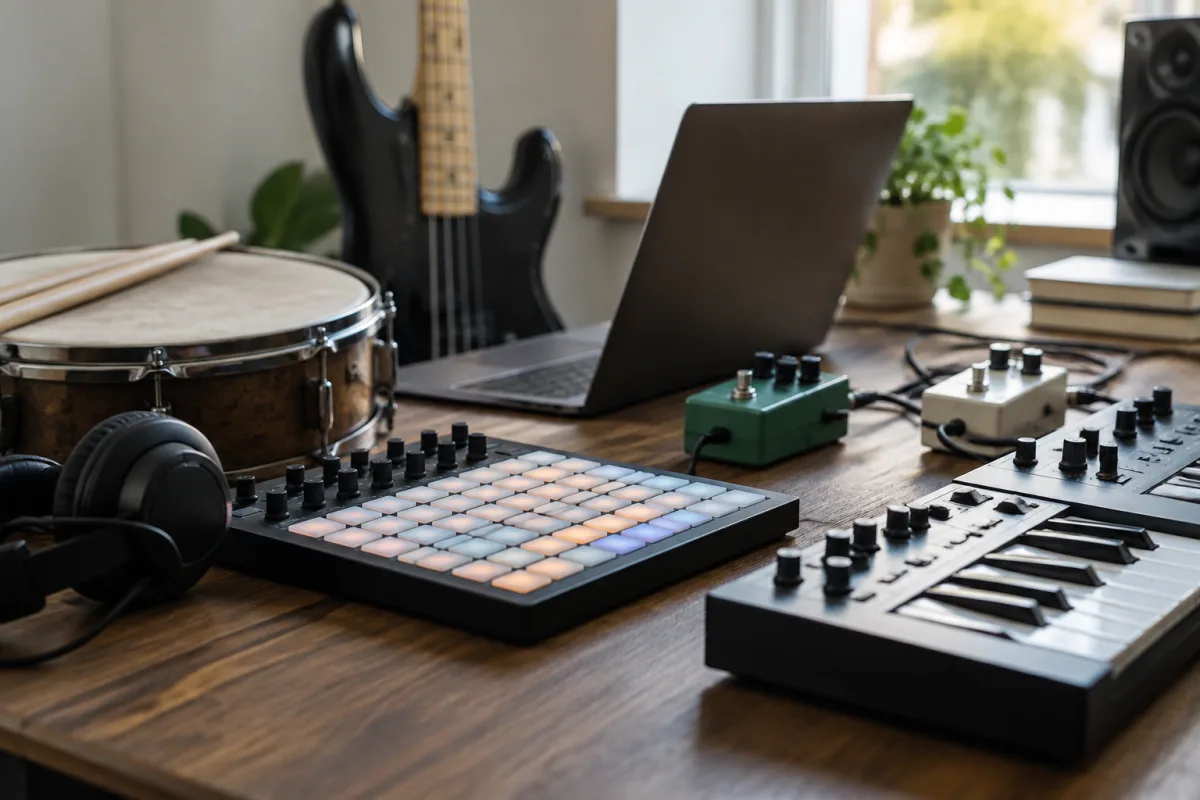
Construction kits represent one of the most practical purchases a music producer can make, yet buying the wrong ones wastes money spectacularly. These pre-built musical elements—drums, melodies, basslines, effects, and atmospheric layers—come already arranged and separated so you can remix, combine, and integrate them into your productions. For producers racing deadlines, learning from professional arrangements, or seeking inspiration beyond blank canvas syndrome, construction kits are transformative. Yet the category is cluttered with mediocre kits sold with exaggerated claims, unusable samples packed into massive file sizes, and licensing confusion that catches unsuspecting buyers. This buying guide shows you exactly what to evaluate, which construction kits deliver genuine value, how much you should pay at different quality tiers, and the common pitfalls that lead to expensive regrets. For comprehensive technical information about construction kit capabilities and usage, see our complete guide to construction kits.
Understanding Construction Kit Quality Variations
Construction kits vary wildly in usability. A poorly arranged kit wastes your time fighting mediocre arrangements. A well-designed kit drops into your DAW and immediately sounds professional. The difference isn't about how many samples are included; it's about how thoughtfully they're arranged and edited. Key quality indicators:
- Drum separation: Are kicks, snares, hats, and percussion isolated cleanly or jumbled together? Clean separation lets you remix elements. Jumbled kits force you to use elements as-is.
- Melodic clarity: If the kit includes melodic elements, are they clearly delineated and easy to pitch-shift? Poorly recorded vocals or melodies become unusable when they don't process well.
- Professional processing:** Do the included samples sound like professional productions or like budget demos? Professional kits save you production time; amateur kits create extra work.
- Tempo and key consistency:** Are elements recorded to a consistent tempo and key? Inconsistency means constant pitch and tempo correction, which defeats the convenience of construction kits.
Critical Specs When Comparing Construction Kits
Included elements and stems: Does the kit include drum loops, drum one-shots, melodic elements, bass parts, FX, and atmospheric layers? Comprehensive kits offer more remix possibilities. Kits focused on single elements (drums-only) are cheaper but less versatile. Match kit composition to your production style.
File format and sample rate: WAV format works universally. AIFF works in most DAWs. Proprietary formats lock you into specific software. Verify 24-bit, 44.1kHz or 48kHz audio. Lower quality (16-bit, 32kHz) sounds noticeably inferior in professional mixes. Format compatibility matters enormously.
Tempo labelling and flexibility: Are tempos clearly labelled? Can you time-stretch elements without extreme quality loss? Poor labelling means hunting through files; poor time-stretch capability forces using specific tempos.
Licensing restrictions: Can you sell productions using these kits? Are they exclusive or royalty-free? Understanding licensing prevents legal issues. Cheap kits often include restrictive licensing; professional kits permit commercial use.
Demo quality: Listen to audio previews extensively. Don't decide based on descriptions; hear actual samples. Kit publishers should provide substantial previews demonstrating drum quality, melodic elements, and overall production value.
Common Construction Kit Buying Mistakes
Mistake 1: Buying because you like one drum sound in the preview.** One good drum sample doesn't make a complete kit valuable. Evaluate the entire package: are melodies usable? Is the bass musical? Are atmospheric elements generic or creative? Judge the complete kit, not the standout sample.
Mistake 2: Accumulating genre-mismatched kits.** An excellent trap construction kit is useless if you produce jazz. Buy kits matching your production genres. A smaller, focused kit in your genre outperforms a massive all-genre collection you never use.
Mistake 3: Underestimating file sizes.** Construction kits can range from 500MB to 5GB. Download time and storage matter. Before committing, verify your internet and hard drive can handle the kit size. A 5GB kit is useless if download is impractical.
Mistake 4: Not checking licensing before commercial use.** Some construction kits permit only non-commercial use or require royalty payments. Using commercial-restricted kits in released music creates legal issues. Read licensing carefully before production-critical decisions.
Mistake 5: Expecting the kit to do your creative work.** Construction kits are tools for efficiency and inspiration, not shortcuts to creativity. If you're relying on kits to generate musical ideas rather than execute pre-conceived ones, you're approaching production backwards. Use kits as jumping-off points, not solutions.
Construction Kit Pricing and Value Tiers
| Price Tier | Sound Quality | Kit Scope | Best Suited For |
|---|---|---|---|
| Free/Royalty-free | Variable, often lower quality | Limited elements, small file size | Learning, non-commercial projects, experimenting |
| Budget (£5-15 one-time) | Acceptable, usable quality | Genre-focused, 500MB-1GB typical | Genre-specific producers, learning arrangements |
| Professional (£15-40 one-time) | High quality, well-arranged | Comprehensive, 1-3GB typical, multiple genres | Serious producers, commercial music, remix work |
| Premium (£40-100+ one-time) | Exceptional quality, professional mixes | Extensive, 3-5GB+, specialised arrangements | Professional studios, commercial releases, niche genres |
| Subscription (£5-20/month) | Variable, constantly updated | Access unlimited kits, streaming model | Active producers, constant new content seekers |
Decision Framework: Choosing Your Kits
Genre specificity first: Identify which genres you produce most. Buy kits matching those genres. Skip all-genre kits unless you work across multiple styles regularly. Focused kits beat bloated ones.
Listen to extensive previews:** Legitimate kit publishers provide demos of actual kit elements. Spend 30 minutes listening to previews before deciding. This reveals quality better than reading descriptions.
Verify format compatibility:** Confirm your DAW accepts the kit's file format. Format incompatibility is a deal-breaker. Check before purchasing.
Understand licensing for your use case:** Will you sell music using these kits? Do you need commercial rights? Read licensing carefully. If licensing is restrictive, it's not the kit for you.
Calculate actual necessity:** How often will you use this kit? Monthly use justifies the purchase. Casual interest doesn't. Only buy kits you'll genuinely use regularly. Impulse purchasing construction kits wastes significant money.
Where to Buy Construction Kits
Reputable publishers include:
- Established music software retailers (Plugin Boutique, AudioDeluxe)
- Independent producer communities with peer reviews
- Publisher websites directly (often cheaper than resellers)
- Subscription platforms offering kit libraries (Splice, Loopmasters)
Avoid unknown sellers without verifiable reviews or substantial preview content. Cheap kits from questionable sources frequently disappoint. Pay a bit more from established publishers for quality assurance.
The Honest Assessment
Construction kits are valuable when they match your genre, offer inspiration or efficiency gains, and contain genuinely usable elements. They're not valuable when you're impulse buying, working across genres, or expecting the kits to generate creativity. Evaluate honestly: will this specific kit accelerate your production workflow or sit unused? If the answer is yes, buy confidently. If it's maybe, skip it. Most producers regret impulse kit purchases, not strategic ones.



Comments