


Cinematic Samples article
Cinematic Samples for Beginners: A Complete Guide
The prospect of creating dramatic film scores intimidates many producers, but cinematic samples make this accessible even for beginners. This guide shows you the easiest path to compelling soundtrack music.
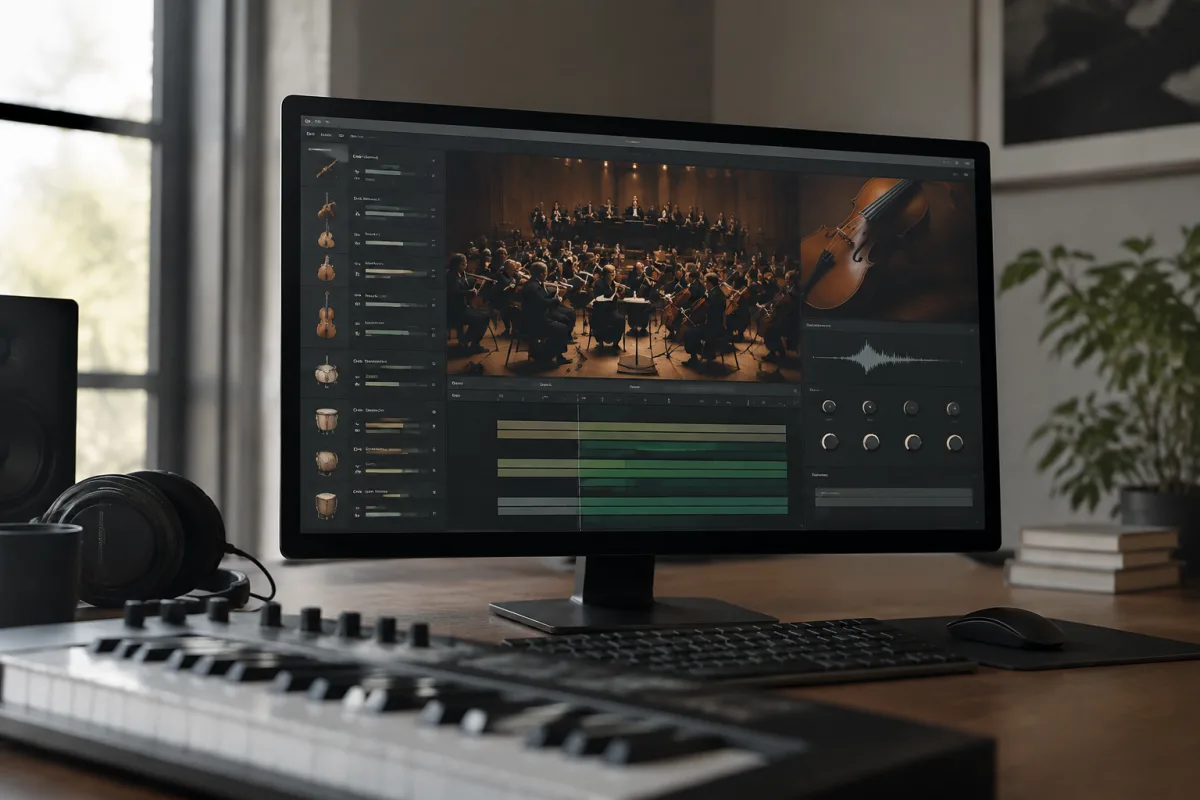
The prospect of creating dramatic film scores or trailer music intimidates many producers, but cinematic samples make this accessible even for beginners. Rather than requiring orchestral recording experience or years of composition training, you can create professional-sounding cinematic material within hours of your first session. This beginner's guide removes the mystery surrounding cinematic sample libraries and shows you the easiest path to compelling soundtrack music.
Understanding What Cinematic Samples Actually Are
Cinematic samples are pre-recorded orchestral and sound design elements specifically prepared for film and television music composition. Unlike general loop libraries with short, repeating phrases, cinematic samples provide extended instrument performances, dramatic sound effects, and building blocks designed to layer into full orchestral arrangements. A beginner typically discovers cinematic samples exist in three categories: orchestral instruments (strings, brass, woodwinds), sound design elements (impacts, transitions, drones), and pre-composed musical phrases or loops. Understanding this distinction helps you select appropriate sample libraries for your compositional goals.
Your First Library: Starting Narrow, Not Broad
Beginning producers often purchase massive cinematic sample libraries containing thousands of elements, then feel overwhelmed. A more effective approach starts with a focused library targeting your immediate compositional needs. If you're scoring trailer music, a strings-and-brass focused library serves better than a general orchestral collection. If you're creating dramatic underscore, cinematic sample libraries emphasising sustained tones and building textures work better than percussion-heavy collections. Start narrow with one focused cinematic sample library, mastering its capabilities before expanding. This focused learning accelerates your development significantly.
Free vs. Paid Cinematic Samples: Starting with Free
Quality free cinematic sample options exist, particularly sample-logic cinematic guitars and similar libraries. These free collections provide genuine working tools, not limited teases designed to force paid upgrades. Starting with free cinematic samples lets you explore whether this production approach engages you before financial investment. Many professionals who now purchase expensive libraries began experimenting with free cinematic samples, discovering capabilities and developing preferences before committing financially. This low-risk exploration eliminates purchase regret.
Basic Orchestration Principles for Cinematic Samples
You don't need orchestration knowledge to use cinematic samples effectively, but understanding fundamental layering improves results immediately. Basic orchestral texture uses strings as a foundation, brass for impact and drama, and woodwinds for colour and contrast. A beginner-friendly approach starts with sustained string pads underneath your cinematic samples for foundation, then layers brass for dramatic moments. This foundation teaches you how orchestral arrangement works through direct experience rather than theory. Your ears develop faster through experimentation than reading composition guides.
Your First Practical Session: The Pad Foundation
Start your first cinematic sample session by selecting a sustained string pad or drone from your library. Don't worry about orchestration perfection—just pick something that sounds pleasant. Load it into your DAW and let it play through your sketch. Now layer a single cinematic samples brass element on top during a climactic moment. Notice how dramatically that brass adds impact over the sustained strings. This simple layering demonstrates orchestral composition principles directly. Repeat this experiment multiple times with different elements. Your instincts develop through hands-on exploration faster than theoretical study.
Avoiding Fake-Sounding Orchestration
The most common beginner mistake with cinematic samples is static orchestration—everything playing at the same volume simultaneously. Real orchestration builds and releases tension through dynamic layering. Use your DAW's volume automation to bring cinematic samples in and out rather than leaving them playing constantly. Build impact by introducing new elements gradually rather than playing everything at once. Remove elements during quieter passages to create contrast. This dynamic approach transforms lifeless cinematic sample loops into compelling arrangements. Many producers spend weeks before discovering this single technique creates dramatic improvement.
Timing and Phrasing with Cinematic Samples
Unlike melodic loops that must align precisely, cinematic samples often work better layered with deliberate timing offsets creating interest. Experiment with starting different elements at different times, staggering entrances and creating momentum. String cinematic samples might enter early, establishing foundation. Brass might enter with a slight delay, adding impact. Percussion or impacts might enter last for maximum drama. This staggered timing mimics natural orchestral conducting where players don't attack in perfect unison. Your early experimentation teaches orchestral phrasing principles directly.
Layering Without Overwhelming the Mix
Beginning producers commonly layer too many cinematic samples simultaneously, creating overwhelming cacophony. The solution is restraint—use far fewer elements than your libraries contain. A compelling arrangement might use just three cinematic samples elements: strings, brass, and a single percussion element. This sparsity forces intentional orchestration choices rather than adding everything then hoping it sounds good. As your skills develop, you'll understand when additional layering enhances drama versus creating muddy confusion.
Common First-Timer Pitfalls
Beginning cinematic sample users often load every dramatic transition and impact provided by their library, treating these tools as essential rather than optional. Resist this impulse. Use transitions sparingly. Your cinematic samples arrangement often sounds better with subtle transitions between sections than dramatic whooshes everywhere. Another common mistake is ignoring copyright restrictions. Some free cinematic sample libraries allow only personal use; verify licensing before using samples in commercial projects. Finally, don't feel pressured to purchase expensive cinematic sample libraries immediately. Explore thoroughly with free and budget options first. Premium libraries offer additional capabilities, not fundamentally different results.
Building Your First Complete Cue
A beginner's first complete cinematic sample composition might follow this simple structure: sustained strings for 16 bars establishing mood, brass accent on beat 13 providing impact, dramatic percussion element entering bar 15, then full orchestral tutti (all instruments) climax on beat 1 of bar 17. This straightforward arrangement requires mastering only basic cinematic sample layering and automation. Completing this simple cue teaches you more about orchestral thinking than reading composition books. Record multiple versions, experimenting with timing and element selection. Each variation teaches your ears what works dramatically.
Expanding Your Capabilities Gradually
After mastering basic cinematic sample layering, explore more complex orchestration. Learn chord voicing for dramatic impact. Investigate orchestral textures like tremolo strings or muted brass. Discover how dynamic range and frequency balance create professional polish. This gradual expansion builds genuine skill, preventing overwhelm from trying everything simultaneously. Many beginners spend months with simple layering before moving to advanced techniques, and that progression produces better results than attempting complexity prematurely.
Your Learning Timeline
Week one: Load a single cinematic samples element repeatedly, exploring its character. Week two: Layer two elements together, experimenting with timing and automation. Week three: Build a complete composition using three cinematic sample elements. Week four: Explore everything you need to know about sample logic cinematic guitars or your chosen library's capabilities more deeply. By month two, you'll have practical experience and preferences guiding future learning. This progression builds confidence whilst developing genuine orchestral instincts through direct experience.



Comments