


Choir VST Buying guide
Choir Vst: A Complete Buyer's Guide
Choir VST plugins range from budget samples to world-class professional libraries. This buying guide breaks down price tiers, essential specs and common mistakes so you pick the right choir VST for your budget and workflow.
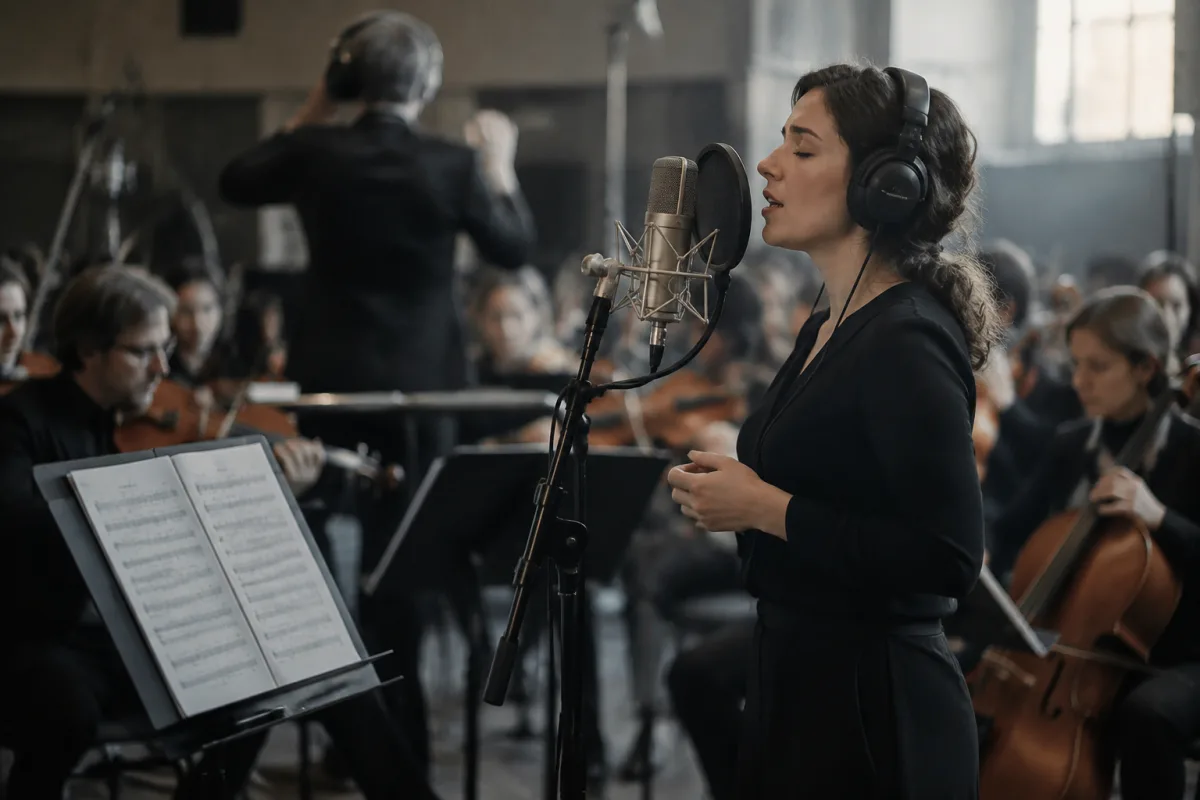
A convincing choir VST can make or break a film score, a virtual orchestra arrangement or a pop production. But with hundreds of choir plugins on the market, spanning everything from budget libraries to five-figure professional tools, knowing what to pay for and what features actually matter is essential. This guide walks you through the specs, price tiers and pitfalls so you can find the choir VST that fits your budget and workflow.
What Makes a Good Choir VST Worth the Money
A choir VST is fundamentally a sample library—recordings of real singers—packaged with playback and control software that lets you compose with them. The quality of a choir VST depends on three things: sample quality (how well the choir was recorded), articulation depth (how many different vowels, dynamics and expression states are captured), and the interface (how intuitive it is to shape the sound).
The best choir VST for you depends on your workflow. Are you layering choir VST pads under orchestral arrangements? A simple, CPU-efficient choir VST might suffice. Are you composing a capella vocal lines that need to blend with live singers? You'll want a choir VST with extensive vibrato, breath, and dynamics control.
Price Tiers: What You're Actually Paying For
Choir VST plugins span a vast price range. Here's what each tier typically offers:
| Price Range | Typical Size | Sample Quality | Articulations | Use Cases |
|---|---|---|---|---|
| £30–£80 | 1–5 GB | Good (often sourced from affordable commercial libraries) | Limited (maybe 3–5 vowel variations) | Budget projects, background textures, learning the workflow |
| £80–£200 | 5–15 GB | Very good (mid-tier choir recording) | Good (6–12 articulations, dynamics layers) | Most indie film composers, mid-budget game audio, semi-professional arrangements |
| £200–£500 | 15–40 GB | Excellent (professional-grade recording) | Extensive (15–25 articulations, full expression control) | Professional film scoring, high-end sample-based arrangements, broadcast |
| £500+ | 40 GB–several TB | Exceptional (world-class recording, multiple choirs, soloists) | Comprehensive (100+ articulations, advanced synthesis and morphing) | Premium film and television, orchestral mockups indistinguishable from live |
The steep jump from mid-tier to premium choir VST libraries reflects real differences: better microphone placement, fuller vocal samples, more articulations and control. A choir VST at £500 is genuinely more flexible than one at £150, but you're not paying only for quality—you're paying for professional-tier support, regular updates and the labour of recording and editing thousands of samples.
Key Specs to Evaluate Before Buying a Choir VST
Beyond price, these technical specifications determine whether a choir VST will actually work in your project:
- Articulation depth: How many different vowel sounds and dynamic variations does the choir VST offer? A good choir VST should have at least 5–8 vowel articulations; premium ones offer 15+. More articulations mean more realistic vocal morphing and less repetition fatigue.
- Sample-based vs. synthesised: Authentic choir VST libraries are 100% samples. Some cheaper options blend samples with synthesis to reduce file size. Nothing wrong with this, but know what you're getting. Fully sampled choir VST tools sound more human; hybrid choir VST hybrids are more CPU-efficient.
- CPU usage and disk space: A choir VST with 40 GB of samples needs fast storage (SSD highly recommended). Some choir VST plugins stream from disk; others load everything into RAM. Check your computer's specs before committing. Compact choir VST options exist, but they sacrifice some realism.
- Control resolution: Can the choir VST respond to velocity and CC (continuous controller) data? This determines how nuanced your performance can be. A good choir VST accepts MIDI CC for vibrato, dynamics and expression.
- Tuning and blend options: Professional choir VST libraries let you transpose, adjust vibrato speed and depth, and layer multiple instances for density. Budget choir VST tools sometimes lock you into fixed tuning or vibrato.
- Update policy: Does the choir VST developer commit to updates? Some choir VST companies update regularly; others sell and disappear. This matters if your DAW upgrades or your OS changes.
Common Mistakes When Buying Choir VST Plugins
Avoid these pitfalls when choosing a choir VST:
- Buying a choir VST without auditioning it first: Professional choir VST developers publish demos. Download one and spend an hour with it. You cannot know if a choir VST works for you without testing the interface, hearing the samples and feeling the expression control.
- Underestimating CPU load: A choir VST can easily use 10–20% of your CPU per instance. If you're running your DAW close to the edge, a premium choir VST can push you over. Test the choir VST in your own setup before buying, or budget for a hardware upgrade.
- Assuming all choir VST samples sound good isolated: Professional choir VST libraries are designed to sit in mixes, not solo. Some choir VST sounds that seem thin alone blend beautifully with orchestration. Always test in context.
- Overlapping purchases: Don't buy two choir VST libraries that serve the same purpose. Choose one choir VST for your primary singing voice (e.g. sopranos) and consider a complementary library for a different choir VST voice or technique only if your projects genuinely need it.
What to Look for in a Choir VST Feature Set
Beyond raw samples, the best choir VST plugins include useful tools:
- Legato transitions: Smooth voice transitions between notes are what separate a professional choir VST from a cheap one. Check for crossfades and realistic slur behaviour.
- Vibrato control: Real singers vary vibrato by phrase. A choir VST with vibrato onset and modulation control lets you shape the performance beyond "fast" or "slow".
- Breath and articulation layers: Premium choir VST tools include breath sounds, consonant attack and sustain variations. These tiny details sell the illusion.
- Microphone perspective adjustment: Some choir VST libraries let you move between close and room microphones, adding intimacy or width to the sound.
- MIDI learn and expression mapping: The best choir VST plugins map your controller's faders and knobs intuitively to the parameters that matter most.
Who Should Buy Which Choir VST Price Tier
Budget (£30–£80): You're starting out or need a temporary solution. Many budget choir VST tools are perfectly usable for background textures, experimental arrangements or learning the workflow before investing heavily.
Mid-range (£80–£200): You're producing indie film scores, game audio or semi-professional arrangements. A mid-tier choir VST balances cost against quality and is sufficient for most non-broadcast projects. This is where most composers spend their money.
Premium (£200–£500): You're working on broadcast television, high-end cinema or detailed orchestral mockups that clients will scrutinise. A premium choir VST reproduces the depth and nuance of a live choir convincingly.
Ultra-premium (£500+): You're building mockups that must sound virtually identical to live recordings or you're composing for major studio releases. A top-tier choir VST is an investment, but it's the only option when perfection matters and your budget allows it.
Making Your Decision
Start by defining your actual needs: What will the choir VST do in your projects? Will it be a soaring lead line or a pad underneath strings? How much character and nuance matters? The answers point you to a price tier. Then, visit the websites of choir VST publishers in that range, download their free presets or trials (most offer 30-day trials), and spend a real afternoon with each one.
For deeper technical background and a comparative breakdown of top choir VST options, see our complete guide to choir VST libraries and how they work.
Don't rush the decision. The right choir VST will work seamlessly in your DAW for years; the wrong one is a waste of money and creative frustration. Take the time to audition, and you'll find a choir VST that turns vague ideas into rich, convincing vocal arrangements.



Comments