


Analog Mixing Console Buying guide
Analog Mixing Console: A Complete Buyer's Guide
A comprehensive buying guide for analog mixing consoles. Learn which specifications matter, compare price tiers, and discover how to select the perfect console for your studio.
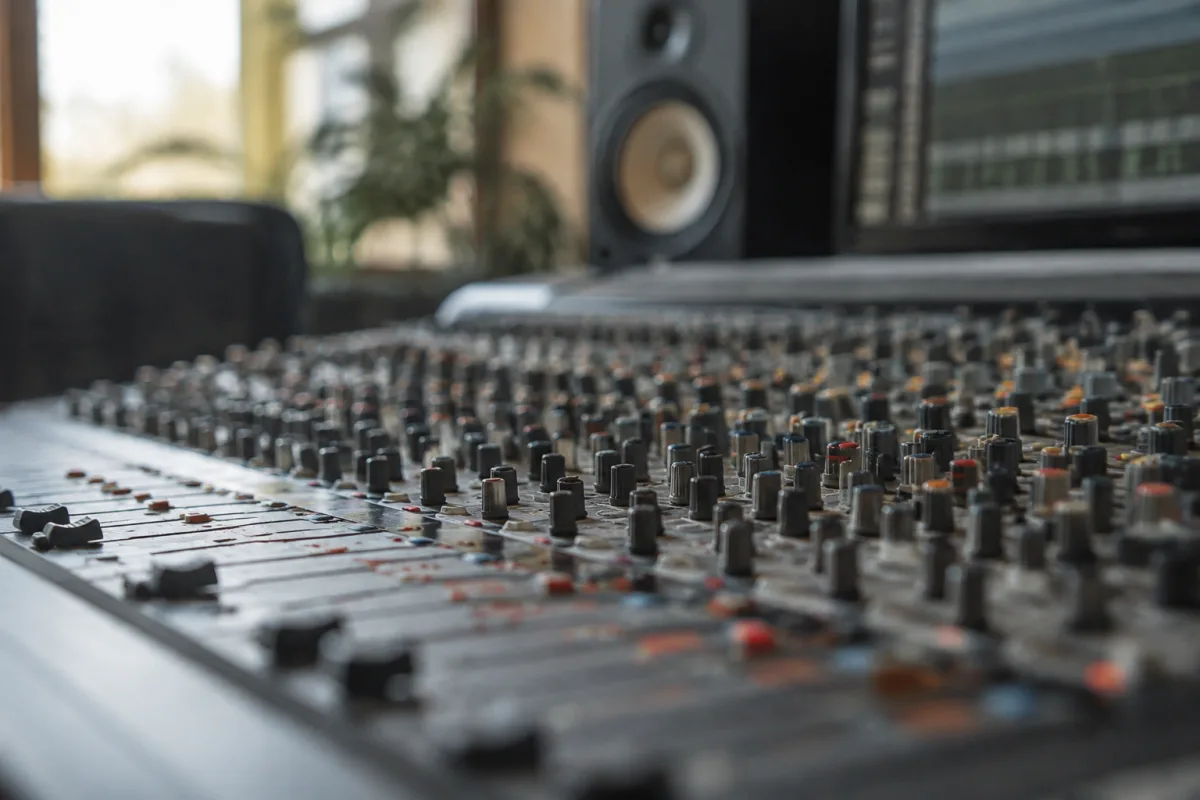
Selecting the right analog mixing console represents a significant investment for studios, live venues, and serious home producers. Whether you're upgrading from smaller equipment or establishing your first professional setup, this buying guide helps you navigate analog mixing console options without overwhelming confusion. Learn which specifications matter most, how price tiers differ, and how to identify an analog mixing console that genuinely suits your workflow and budget.
Understanding Analog Mixing Console Categories
Analog mixing console models fall into distinct categories determined by channel count, feature set, and professional tier. Understanding these categories simplifies your selection process.
- Compact Analog Mixing Console: Small analog mixing console units with 4–8 channels occupy minimal space yet deliver respectable mixing capability. A compact analog mixing console suits bedroom studios, small venues, and portable setups. Compact analog mixing console models sacrifice expansive routing but prioritise affordability and space efficiency.
- Mid-Range Analog Mixing Console: Standard analog mixing console designs feature 12–32 channels, offering genuine mixing capability whilst remaining manageable for single-operator control. A mid-range analog mixing console balances functionality with usability—the most popular analog mixing console category for studios and gigging bands.
- Professional Analog Mixing Console: Large-format analog mixing console units with 32+ channels, extensive routing options, and studio-grade components define professional infrastructure. A professional analog mixing console requires dedicated expertise but delivers uncompromising audio quality. Professional analog mixing console models represent significant capital expenditure justified in high-end studios and touring situations.
- Split-Format Analog Mixing Console: Some analog mixing console designs dedicate portions to live performance and portions to monitoring. A split-format analog mixing console accommodates simultaneous front-of-house and monitor mixing—essential for complex live productions.
Critical Specifications for Choosing Your Analog Mixing Console
These technical specifications directly impact whether an analog mixing console meets your needs and integrates with existing equipment.
| Specification | What It Means | Impact on Buying Decision |
|---|---|---|
| Channel Count | How many input strips your analog mixing console provides | Verify your analog mixing console has sufficient channels for your maximum simultaneous inputs, allowing expansion headroom |
| Frequency Response | The audio bandwidth your analog mixing console reproduces accurately | Quality analog mixing console units specify 20Hz–20kHz; cheaper models exhibit restricted response affecting tone |
| Signal-to-Noise Ratio (SNR) | The difference between signal and background noise your analog mixing console produces | Higher SNR indicates cleaner operation; professional analog mixing console units offer 85+ dB SNR, budget models 70–75 dB |
| EQ Capabilities | How many equaliser bands each channel strip on your analog mixing console offers | More EQ points (3-band vs 4-band, parametric options) expand your analog mixing console's tone-shaping flexibility |
| Auxiliary (Aux) Sends | How many independent effects or monitor mixes your analog mixing console enables | Sufficient aux sends let your analog mixing console create multiple effect and monitor mixes simultaneously |
Price Ranges: What Each Budget Level Delivers
Analog mixing console investment scales dramatically with capability. Understanding price-to-feature ratios prevents overspending or undershooting your actual needs.
- Budget Analog Mixing Console (£400–£1,000): Entry-level analog mixing console units with 4–8 channels, basic EQ, and minimal routing suit hobbyists and small studios. A budget analog mixing console requires careful usage but functions adequately for learning. Expect noise floor and tonal limitations from budget analog mixing console models.
- Intermediate Analog Mixing Console (£1,000–£4,000): Mid-range analog mixing console designs offer 12–24 channels, better EQ implementation, and expanded routing. An intermediate analog mixing console balances professional capability with manageable cost—the ideal tier for serious studios and active bands. Most intermediate analog mixing console models perform respectably for general use.
- Professional Analog Mixing Console (£4,000–£15,000): High-end analog mixing console units feature 24–48 channels, professional-grade components, and extensive effects integration. A professional analog mixing console delivers sonic quality and reliability essential for touring and top-tier studios. Professional analog mixing console models justify investment through years of dependable service.
- Studio Legacy Analog Mixing Console (£15,000+): Vintage and top-tier analog mixing console models command premium prices reflecting their historical significance and uncompromising performance. Studio legacy analog mixing console units become studio centerpieces, often appreciating rather than depreciating. These analog mixing console models suit established studios prioritising sonic prestige.
Key Considerations When Evaluating Analog Mixing Console Options
Beyond specification sheets, these practical factors determine whether an analog mixing console genuinely works for your situation.
- Physical Space and Cooling: Analog mixing console units generate heat and require proper ventilation. Ensure your analog mixing console fits your studio layout physically, and verify adequate airflow prevents overheating. A cramped installation compromises any analog mixing console's reliability.
- Workflow Integration: Examine whether your analog mixing console interfaces smoothly with existing equipment. Does your analog mixing console accept your mic types (XLR, 1/4", RCA)? Does the analog mixing console output match your monitoring and recording setup? An analog mixing console requiring adapter cables creates workflow friction.
- Learning Curve: Complex analog mixing console designs demand deeper expertise than simple models. If you're inexperienced mixing, choose a straightforward analog mixing console rather than overwhelming yourself with advanced features you won't use. A simpler analog mixing console often outperforms a complicated one in untrained hands.
- Maintenance and Support: Verify your analog mixing console has available service and replacement parts. Some analog mixing console brands provide excellent support; others vanish, leaving you stranded if repairs become necessary. Choose an analog mixing console from manufacturers with established longevity records.
- Future Expansion: Consider whether your analog mixing console can expand as your needs grow. Some analog mixing console designs accommodate additional modules; others remain static. Future-proofing influences long-term satisfaction with your analog mixing console investment.
Common Mistakes When Buying an Analog Mixing Console
Experienced studio professionals recognise predictable errors made by analog mixing console buyers.
- Buying Excessive Channel Count: Beginners often purchase analog mixing console models with more channels than necessary. An oversized analog mixing console becomes difficult to manage and wastes money. Select an analog mixing console with channels matching your realistic needs, leaving 20–30% expansion headroom.
- Prioritising Appearance Over Performance: A beautiful analog mixing console that sounds mediocre frustrates long-term. Prioritise sonic quality and reliability over aesthetic appeal. Your analog mixing console's sound matters far more than its visual presentation.
- Ignoring Impedance Compatibility: Different equipment operates at different impedance levels. Mismatched impedance between your analog mixing console and outboard gear causes signal quality degradation. Verify impedance compatibility before purchasing.
- Overlooking Phantom Power Needs: If you use condenser microphones, your analog mixing console must provide phantom power. Forgetting this requirement means discovering mid-session that your analog mixing console lacks essential functionality.
- Assuming Vintage Analog Mixing Console Reliability: Older analog mixing console models sound wonderful but require maintenance expertise. Unless you're comfortable servicing vintage equipment, avoid older analog mixing console units without recent professional restoration.
Making Your Analog Mixing Console Decision
For home and bedroom studios: A compact analog mixing console (£400–£1,000) provides learning value without excessive investment. This budget range offers functional analog mixing console models suitable for recording and practice.
For active gigging bands and intermediate studios: Invest in an intermediate analog mixing console (£1,000–£4,000) with 12–24 channels. This tier delivers the sonic quality and workflow flexibility that serious musicians require from their analog mixing console.
For professional studios and touring: Professional analog mixing console models (£4,000+) repay investment through reliability, sonic performance, and long service life. A professional analog mixing console becomes a studio's sonic heart.
For comprehensive exploration of analog mixing console specifications, acoustic theory, and advanced mixing techniques, consult our complete guide to analog mixing consoles, which covers professional applications and equipment pairing strategies.
Conclusion: Selecting Your Ideal Analog Mixing Console
The right analog mixing console matches your studio type, workflow demands, and budget. Resist pressure to buy "the best" analog mixing console—choose the analog mixing console that suits your actual situation. Research thoroughly, listen to demonstrations when possible, and prioritise sonic quality and reliability. A well-chosen analog mixing console becomes an essential tool accelerating your mixing capability and studio credibility for years to come.



Comments