


808 VST article
Everything You Need to Know About 808 Vst Free
An 808 VST delivers the iconic drum machine sound to modern production. Discover how to program, customize and layer for professional trap and hip-hop beats.
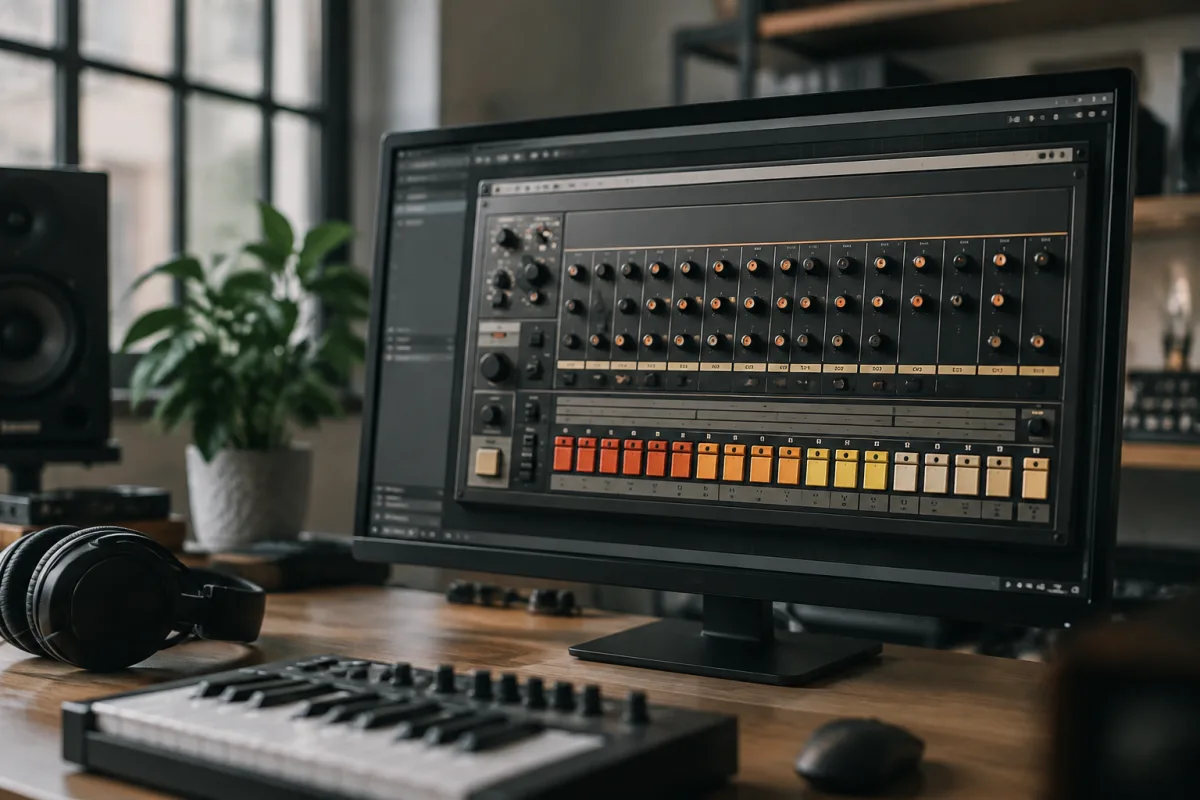
An 808 VST brings the iconic sound of the TR-808 drum machine into your DAW as a virtual instrument. The 808 VST offers the deep, punchy bass drums and tonal percussion that defined hip-hop, electronic music and modern pop production. Whether you're creating trap beats, house grooves or experimental electronic music, mastering a quality 808 VST is essential for modern music production.
What is an 808 VST?
The 808 drum machine, produced by Roland in 1980, generated some of music's most recognizable sounds: the deep, resonant kick drum, sub-bass rumble, and metallic percussion. An 808 VST emulates these sounds digitally using sampling and synthesis. Unlike samples of the original 808, a VST offers full control over every parameter—pitch, decay, tone, effects—allowing you to create variations impossible with the hardware or static samples.
Modern producers use 808 VSTs to generate the bass foundation of trap beats, add weight to electronic productions, and create textured percussion layers. The 808 VST has become indispensable across electronic, hip-hop and pop music.
Key Features of an 808 VST
| Feature | Purpose |
|---|---|
| Kick drum with pitch envelope | Create deep, resonant kicks; pitch drop defines the 808 sound |
| Tone control and saturation | Darken or brighten the kick; add harmonic distortion |
| Multiple percussion sounds | Clap, closed hat, open hat, cowbell and more |
| LFO modulation | Modulate pitch, filter or amplitude for movement and variation |
| Built-in effects | Reverb, delay and distortion to shape tone and create space |
| Pattern sequencer | Some VSTs include built-in sequencers for quick beat programming |
Types of 808 VSTs
Sample-based 808 VSTs use recordings of the original hardware or carefully crafted drums. These sound authentic and require minimal tweaking. Synthesis-based 808 VSTs model the 808's circuits mathematically, offering deep customization but requiring more programming knowledge. Hybrid 808 VSTs combine samples with synthesis for authenticity and flexibility. Most producers find hybrid models ideal—they balance ease of use with creative control.
How to Use an 808 VST Effectively
Most producers play an 808 VST via MIDI keyboard, programming kick patterns into their DAW's piano roll. Start with preset patterns or drum sounds, then customize. Pitch is crucial: a deep 808 kick typically starts around 150 Hz and drops to 50 Hz or lower within 100–300 milliseconds. Adjust the pitch envelope to taste—slow decay creates fat, round kicks; fast decay produces punchy, defined drums.
Layer multiple 808 kicks with different pitch envelopes and saturation settings. One kick provides foundation sub-bass; another adds midrange punch. Layer an 808 VST with a sampled acoustic kick for additional impact and warmth. Experiment with effects: subtle distortion adds aggression; reverb creates space.
Popular 808 VSTs
- 808 Dungeon (sample-based): Comprehensive library of vintage and modern sounds. Excellent starting point.
- Roland TR-808 VST (official): Direct emulation of the hardware. Authentic, professional-grade.
- Splice Sounds (subscription-based library): Thousands of 808 samples, patterns and presets. Studio standard.
- Cymatics 808 VST (synthesis-based): Deep customization; excellent for sound design.
- FXP 808 (free, open-source): Surprisingly capable free option with solid basic sounds.
Sound Design and Customization
An 808 VST's real power emerges through customization. Adjust pitch curves to create unique kicks that fit your mix. Some kicks hit harder at high frequencies; others require deep sub-bass. Saturation and distortion transform clean 808 sounds into aggressive, crunching drums perfect for trap or industrial music. Modulation—especially pitch modulation via LFO—adds movement and makes static kick patterns feel alive.
Automation is your friend. Program the 808 VST's filter to open throughout a beat, or modulate its reverb to create dynamic space. These subtle changes prevent listener fatigue and keep arrangements fresh across long mixes.
808 VSTs in Modern Production
Hip-hop and trap production centres on the 808. Deep kicks define the groove; higher-pitched tonal 808 hits add rhythm and space. Electronic producers layer 808 sounds for textural bass and percussion beds. Pop producers use 808 VSTs to add urban texture and contemporary flavour to otherwise acoustic-driven tracks.
The 808 VST has democratized production: decades ago, only artists with access to the original hardware or expensive sampled libraries could achieve this sound. Today, quality free and affordable VSTs put professional 808 production tools in every bedroom studio.
Layering and Arrangement
Don't rely solely on an 808 VST for bass and drums. Layer it with acoustic kick samples for warmth, acoustic snares for organic feel, and synthesized elements for edge. An 808 VST works best as part of a complete drum kit, contributing its iconic character alongside other drums and percussion.
Gain Staging and Mixing
808 kicks can easily overwhelm mixes if poorly levelled. Set your VST's output carefully; aim for peaks around -6dB on your master fader to leave headroom for other elements. Use sidechain compression on other tracks—especially bass and melodic elements—to carve space for the kick. This allows the 808 to breathe and dominate without drowning everything else.
Conclusion
An 808 VST is a modern production essential. From trap beats to abstract electronic experiments, these tools define contemporary music's sonic landscape. Whether you choose a sample-based library, official Roland emulation, or synthesis-based customizer, invest time learning your chosen plugin's nuances. Master pitch control, layering and saturation, and your 808 VST will become the foundation of professional-sounding productions that compete on commercial platforms. The 808 sound is timeless; learning it inside out is time well invested.



Comments