
808 Beat Machine article
The Complete Guide to 808 Beat Machine
The 808 beat machine remains essential for hip-hop, trap and electronic production. This guide covers hardware machines, software emulations and creative techniques.
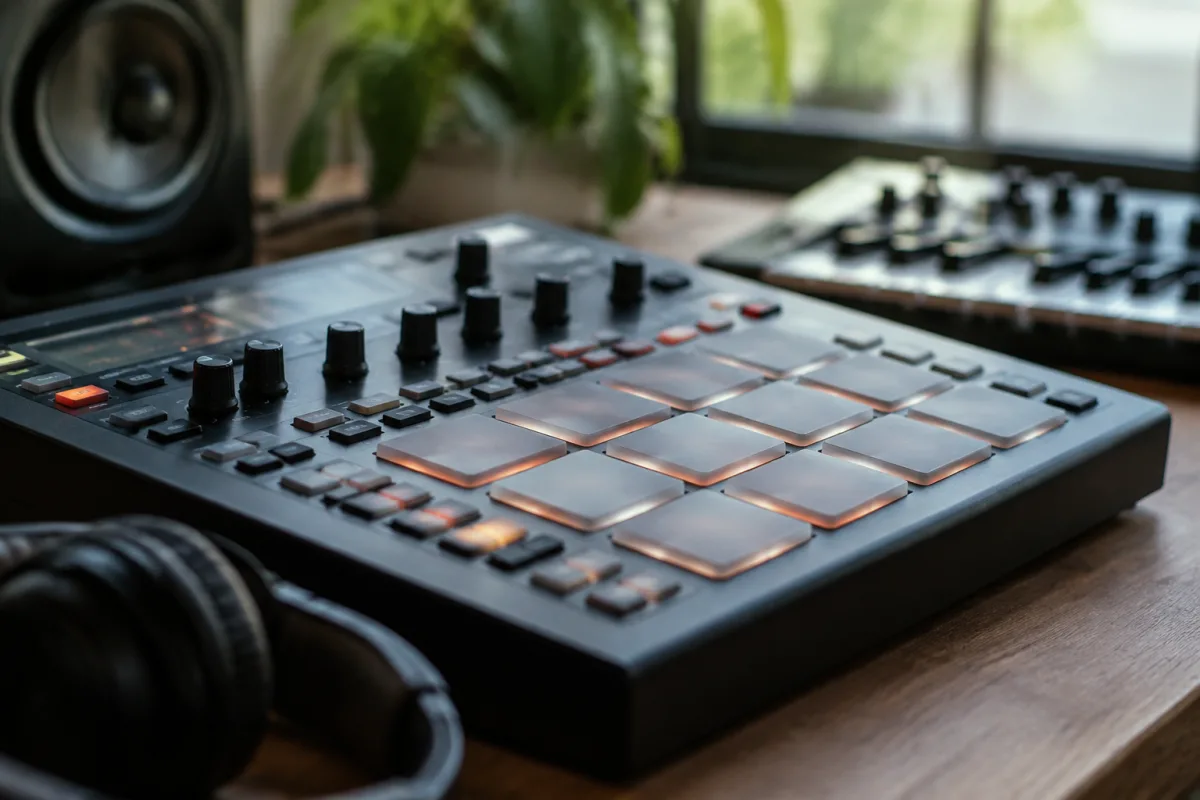
The 808 beat machine has become synonymous with electronic music production, from hip-hop and trap to indie pop and experimental electronic artists. Whether you're seeking an affordable hardware unit or exploring software emulations, understanding what an 808 beat machine offers helps you choose the right tool for your production needs. This guide covers hardware options, software alternatives and creative techniques.
Understanding the 808 Sound and Legacy
The iconic 808 drum sound originated from the TR-808, a drum machine released in 1980 that became a cornerstone of electronic music production. An 808 beat machine recreates or emulates that distinctive sonic character — booming bass drums with extended sub-bass, punchy snares and crisp hi-hats. The sound defines genres and remains culturally significant decades after its creation.
Modern music production still prioritises the 808 beat machine aesthetic. Hip-hop producers specifically craft bass lines around 808 drums; electronic artists layer them across tracks; contemporary pop frequently samples or emulates the classic sound.
Hardware 808 Beat Machines
Vintage and modern hardware options provide authentic 808 sound generation:
| Option | Characteristics | Cost Range | Best For |
|---|---|---|---|
| Vintage TR-808 | Original 1980 unit; sought after; warm, characterful sound | £3000–8000+ | Collectors and professional studios with budget |
| TR-808 Clones/Remakes | Modern recreations capturing vintage character; reliable, accessible | £400–1200 | Serious producers seeking authentic 808 sound |
| Modern Drum Machines with 808 Engines | Contemporary machines with authentic 808 capabilities plus modern features | £300–800 | Producers wanting 808 plus other drum machine functionality |
| Compact Grooveboxes | Portable units with 808 sounds integrated; battery powered | £150–400 | Live performers and mobile producers |
Software 808 Emulations and Plugins
Software options provide cost-effective 808 beat machine access:
- DAW stock plugins: Logic Pro, Ableton Live and other DAWs include 808 drum kits and synths. Free within your production environment; sufficient for most purposes.
- Third-party plugins: Dedicated 808 emulations from boutique developers. Premium quality and often more character than stock options (£20–80).
- Sample packs: Pre-recorded 808 samples for arranging and manipulation (£10–40). Quick workflow but less flexibility than synthesised drums.
- Emulation synths: Software that models vintage TR-808 circuitry. Maximum authenticity and control (£100–300).
Key Characteristics of Quality 808 Beat Machines
Whether hardware or software, effective 808 beat machines share common attributes:
- Deep sub-bass: Extended bass response below 50Hz defining the characteristic rumble. Cheap 808 implementations lose these critical frequencies.
- Pitch control: Ability to modulate bass drum pitch, creating distinctive melodic bass lines. This technique defines modern hip-hop and trap production.
- Decay control: Adjustable envelope controlling how quickly the bass drum dies away. Longer decays create the characteristic tail that defines 808 character.
- Accent capabilities: Ability to emphasise specific notes for dynamic variation within patterns.
- Snare and hi-hat options: Authentic snare and hi-hat sounds completing the drum kit. Quality snares cut through mixes; cheap alternatives sound thin.
Creative Techniques with 808 Beat Machines
Producers exploit 808 beat machines creatively beyond standard drum patterns:
- Melodic bass lines: Use pitch modulation to create bass melodies carrying the harmonic content of tracks. This technique dominates trap and hip-hop production.
- Layering and stacking: Combine multiple 808 sounds tuned to different pitches, creating complex percussion arrangements.
- Sidechain compression: Route 808 drums to compress synths or other tracks, creating dynamic pumping effects.
- Parallel processing: Blend heavily processed distorted 808s with clean versions for aggressive yet intelligible drums.
- Roll programming: Rapid hi-hat and snare patterns creating energy and momentum without melodic elements.
Choosing Between Hardware and Software
Your choice depends on workflow and budget:
- Hardware 808 beat machines: Tactile control, immediate gratification, portable performance capability. Higher cost but inspiring workflow.
- Software 808 beat machines: Budget-friendly, infinite flexibility, seamless DAW integration. Less tactile but powerful creative possibilities.
- Hybrid approach: Many professionals combine both — software for writing and production, hardware for live performance and inspiration.
Budget Considerations and Value
Entry into 808 production requires reasonable investment but needn't be expensive:
- Budget approach: Use free/stock 808 plugins within your DAW. Sufficient for learning and creating professional results (£0).
- Mid-range: Purchase quality third-party plugin or hardware groovebox (£150–400). Significant improvement over stock options.
- Premium: Dedicated hardware machine or professional plugin suite (£500+). Maximum character and creative potential.
Most producers start with software for low cost, upgrading to hardware once their needs and budget grow.
Common 808 Production Mistakes
Inexperienced producers often make predictable errors:
- Inadequate bass response: Consumer monitors lack sub-bass, creating 808 sounds that pound in the mix but disappear on professional systems. Use headphones and studio-grade monitors.
- Over-processing: Excessive compression, EQ or distortion undermines the characteristic 808 sound. Subtlety works better than aggression.
- Neglecting pitch control: Static bass drums sound boring. Experiment with pitch modulation creating melodic bass lines.
- Poor placement in mixes: 808 drums easily overwhelm mixes. Proper EQ and compression integration keeps them powerful whilst complementing other elements.
Modern 808 Beat Machine Applications
Contemporary artists across genres prioritise 808 sounds:
- Hip-hop and trap producers base arrangements around 808 bass lines
- Electronic and experimental artists layer 808s creating industrial textures
- Pop and mainstream artists sample or emulate 808 sounds for contemporary relevance
- Indie and alternative musicians incorporate 808s for texture and modern aesthetic
Conclusion
An 808 beat machine remains an essential tool across electronic music production. Whether choosing hardware for tactile workflow or software for budget and flexibility, understanding the characteristic sound and creative potential matters. Start with stock plugins within your DAW to learn fundamentals cost-free. Upgrade to quality third-party options as your needs grow. Whether professional or hobbyist, an 808 beat machine expands your creative palette and connects you to decades of electronic music heritage.


Comments