


4 Track Tape Machine article
4 Track Tape Machine for Beginners: A Complete Guide
A 4 track tape machine teaches recording discipline and the warm sound of analog tape. This beginner's guide explains how one works and why they're worth learning.
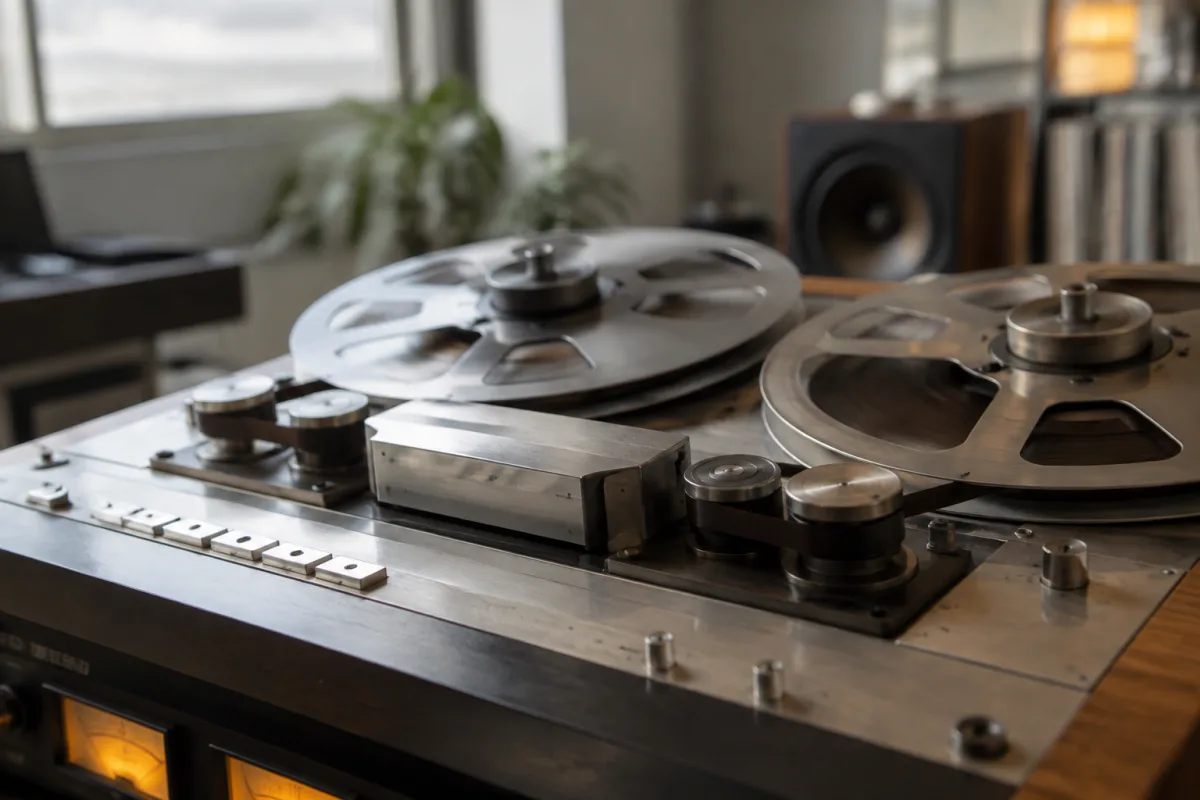
If you've watched vintage recording videos and wondered what a it actually is, or why anyone would choose one today, you're not alone. A it sounds like gear from the 1970s—because it is—but they're experiencing a genuine revival among musicians who want hands-on control, warm analog sound, and a workflow that forces intentional choices. This beginner's guide removes the mystery. It shows you what a it does, why it matters, and whether one fits your recording needs.
What Is a 4 Track Tape Machine, Really?
A it is a recording device that captures sound onto magnetic tape with four separate channels. Unlike modern digital recorders that let you overdub endlessly and undo anything, a it forces you to commit. Record a guitar part on track one and it's there—forever. Erase it, and it's gone. For some musicians, that discipline is exactly what it recording teaches. For others, it sounds terrifying. Both reactions are fair.
How a 4 Track Tape Machine Works
The basics of operating a it are straightforward. You load tape (actual physical magnetic tape), position the read/write head, press record, and capture sound. The machine prints that sound onto tape in one of four lanes. Once recorded, that lane holds the signal until you deliberately erase it. On a it, you're working with physical limitations: four lanes, finite tape length, and real-time decisions.
Bouncing tracks is essential on a it. Record guitars on tracks one and two, then "bounce" them to track three, freeing up tracks one and two for vocals. It's a mixing technique that requires planning. Modern digital recording removed this constraint. A it forces you back to it.
Why Beginners Might Want a 4 Track Tape Machine
Learning on a it sounds counterintuitive. Beginners typically want unlimited takes and easy editing. But a it teaches something digital systems don't: commitment. On a it, you can't comp together the perfect vocal from twelve takes. You record one take, and that's the keeper. This focus makes you a better performer.
The sonic character of a it is also appealing. Tape naturally compresses and adds harmonic saturation that digital systems don't. Recordings through a it sound warm, connected, and intentional in ways that digital file recording sometimes misses. For beginners, this is a lesson in how recording equipment shapes your sound.
Understanding Tape Speed and Quality
A it runs tape at a fixed speed (typically 7.5 or 15 inches per second). Faster tape speed means longer tape required to record the same duration, but better frequency response and less noise. On a it, choosing the right tape speed is your first commitment. Once rolling, you're stuck with it.
Tape quality matters too. Using a it with cheap, old, or damaged tape is false economy. Invest in fresh, quality tape. Your it recordings will reflect the tape you choose.
Common Beginner Mistakes With a 4 Track Tape Machine
Not planning arrangements beforehand. A it demands foresight. Knowing which parts go on which track before you record saves frustration. Beginners often start recording without a plan, then run out of tracks.
Recording too conservatively. Because it recording feels permanent, nervous beginners record at low levels "just in case." Then playback is quiet and forced to raise levels, introducing noise. Record confidently. A it recording should hit the tape at a clear level.
Assuming tape wear is irrelevant. With a it, tape wear is real. Playing the same section repeatedly degrades sound. Avoid excessive playback of work-in-progress sections. Get it right and move on.
Underestimating tape setup. A it requires proper azimuth alignment, bias adjustment, and head cleaning. New users often skip this, then complain about sound quality. A well-maintained it sounds excellent; a neglected one sounds muddy.
Is a 4 Track Tape Machine Right for You?
A it works if you:
- Want to learn tape recording techniques
- Seek the warm sonic character of analog tape
- Value hands-on, intentional workflow
- Are willing to learn maintenance
- Don't mind tape as an ongoing expense
Skip a it if you:
- Need unlimited editing flexibility
- Want to record complex arrangements with many layers
- Can't afford quality tape and maintenance
- Need portability and digital convenience
Getting Started With a 4 Track Tape Machine
Buying a used it is typically the way to begin. Prices range from £100 for neglected units to £500+ for well-maintained examples. Budget for a professional service before use—calibration costs £50–150 but transforms machine performance.
Recording on a it teaches lessons digital recording can't replicate. The constraint of four tracks forces arrangement discipline. The permanence of tape creates intentional decisions. The warm sound of tape rewards learning to record properly. For beginners curious about analog recording, a it is an accessible, hands-on education. It's not modern. It's not convenient. But it's genuinely instructive. Recording through a it changes how you listen and think about recording itself.


Comments