


Luna Guitar Buying guide
Luna Guitar: A Complete Buyer's Guide
Luna Guitar comes in different versions and price tiers. This guide explains what specs matter, which tier suits your needs, and common buying mistakes professionals and home recordists make.
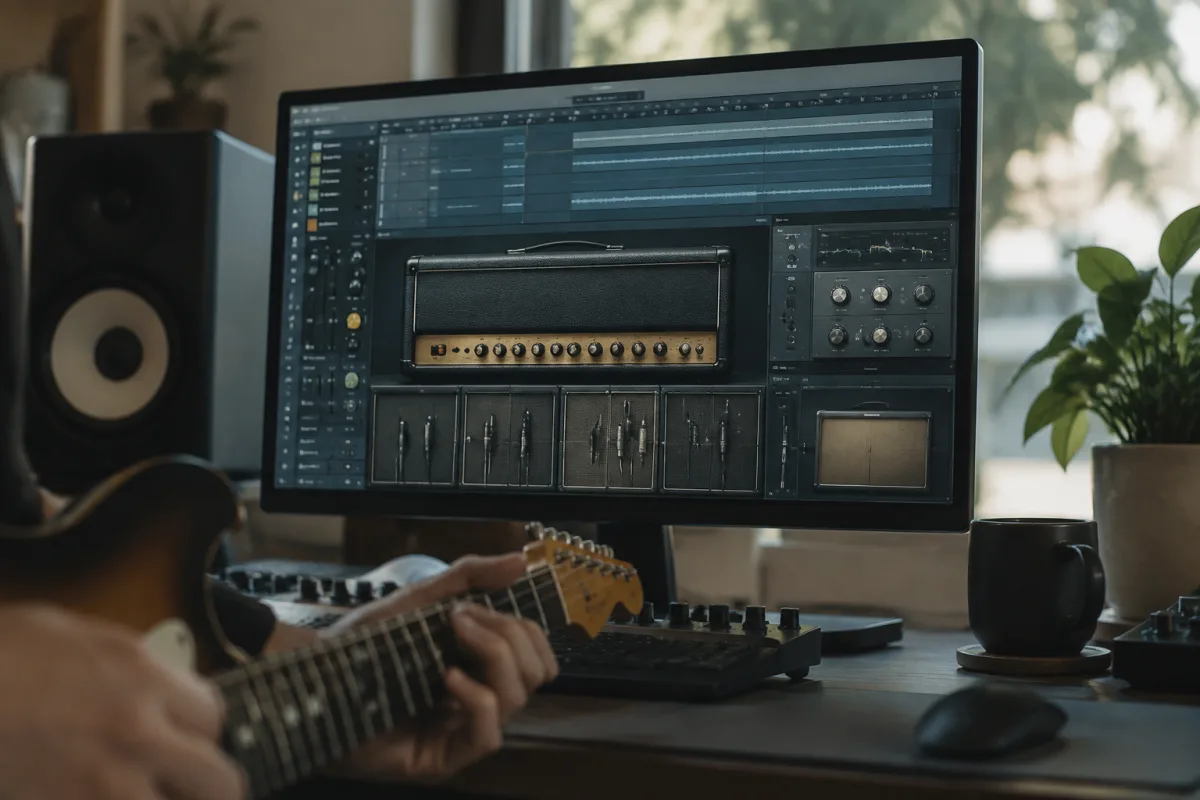
Shopping for Luna Guitar software? You're looking at one of the most comprehensive guitar amp and effects modelling solutions available, but deciding which version fits your needs and budget requires understanding the differences. This guide walks you through the specs that matter, the pricing tiers, and the pitfalls to avoid when choosing Luna Guitar.
Understanding Luna Guitar's Product Tiers
Luna Guitar comes in different versions and pricing structures. Rather than a single product, you're choosing between the base software and various add-on packs. Each tier offers different amp models, effects, and features, so knowing exactly what you need prevents overspending.
- Luna Guitar Core: The entry-level version with essential amp models and effects. Suitable for basic recording and practice.
- Luna Guitar Expanded Pack: Adds more amp models and effects beyond the core set. For musicians who want broader sonic options.
- Luna Guitar Premium Bundle: Includes everything—all amps, effects, and regular updates. For professionals and demanding users.
- Subscription vs. Perpetual License: Some Luna Guitar options are subscription-based (monthly/yearly), while others are one-time purchases. Understand which model you're buying.
Key Specs You Need to Check
CPU and System Requirements
Luna Guitar is a resource-intensive plugin. Before buying, verify your computer can handle it. Check the processor speed, RAM, storage space, and your DAW's compatibility. Running Luna Guitar on an underpowered system creates latency and crashes—a frustrating way to discover you've bought incompatible software.
The official system requirements from the publisher are non-negotiable: if your machine doesn't meet them, Luna Guitar won't run properly. Don't assume "close enough" will work.
Number of Amp Models Available
Luna Guitar's amp collection is its core strength. Core versions include fewer models; expanded packs add more. Ask yourself: do you need 50 amp models or do 15 do the job? Most users never use half their available amps, so buying the premium bundle for amp count alone is wasteful.
However, if you're a tone-hunting obsessive or record different styles of music regularly, having more models available is genuinely useful. Know your workflow before deciding.
Effects Available
Luna Guitar includes reverb, delay, compression, EQ, and more. Core versions have essentials; premium versions add esoteric effects you might never use. A honest assessment: most recording engineers get 80% of their tonal needs from reverb, delay, and EQ. Extras are nice, not necessary.
Polyphony and Voices
This spec describes how many simultaneous voices (notes or effects chains) Luna Guitar can process. Higher polyphony means more complex chains and faster CPU usage. Most users don't hit the limit on even entry-level versions. Ignore polyphony unless you're running particularly complex multi-tracked sessions.
Pricing Tiers Explained
| Version | Approximate Price | Best For | Gotchas |
|---|---|---|---|
| Core/Essential | £99–149 | Casual recording, practice | Limited amp selection; you may outgrow it quickly |
| Expanded/Standard | £199–299 | Regular recording, most musicians | Good value; covers 90% of needs |
| Premium/Full | £349–499 | Professionals, studios, tone chasers | Overkill for casual users; CPU intensive |
| Subscription (Monthly) | £9.99–19.99/mo | Trial before committing; light users | Expensive long-term; access ends when subscription does |
Common Buying Mistakes to Avoid
Buying Premium Tiers You Won't Use
The most expensive Luna Guitar option includes everything. Professionals often do need it. But if you record once monthly or dabble in home recording, the mid-tier option covers your actual needs. Buying premium for features you'll never touch is like buying a truck for city driving.
Ignoring CPU Requirements
Luna Guitar is computationally demanding. Buying without confirming compatibility with your DAW and computer guarantees frustration. Test a subscription version first (if available) to verify your system handles it smoothly. A crash in the middle of a session is far more expensive than a trial subscription.
Confusing Subscription and Perpetual Licenses
Some Luna Guitar products are one-time purchases; others renew annually or monthly. Read the fine print. Subscription models seem cheaper upfront but cost significantly more over time. If you'll use Luna Guitar for years, a perpetual license is almost always cheaper.
Not Checking DAW Compatibility
Luna Guitar works in most major DAWs (Ableton, Logic, Pro Tools, Reaper, etc.), but always verify yours is supported before buying. Installing incompatible plugins wastes money and creates workflow headaches.
Assuming More Amps = Better Tone
Having 100 amp models doesn't make you sound better if you don't know how to shape tone. The core version is absolutely sufficient for learning and developing your skills. Upgrade only when you've explored the lower tier thoroughly and genuinely need more options.
Luna Guitar vs. Alternatives: When to Choose This Tool
Luna Guitar competes against other amp modelling plugins. Before buying, ask:
- Does your DAW already include decent guitar amp simulation? (Many do.)
- Do you need more amps than what you currently have access to?
- Is Luna Guitar's specific sound character what you're after, or would a cheaper alternative work?
Luna Guitar is excellent, but it's not the only option. Testing a trial or subscription first prevents buyer's remorse.
Features Worth Paying Extra For
- Impulse Response (IR) support: Some Luna Guitar versions allow you to load custom cabinet IRs. If you have a collection of IRs or plan to build one, this is valuable. Otherwise, it's overhead.
- MIDI control: Higher tiers often include better MIDI mapping options. If you're using external controllers, this matters. For keyboard-and-mouse users, it's a nice-to-have.
- A/B comparison tools: Professional versions include side-by-side comparison of settings. Useful for detailed editing; nice but not essential for most workflows.
Storage and Download Considerations
Luna Guitar requires space on your hard drive. The full package can take 5–15 GB depending on the version. Verify you have available storage before committing. Installing on an external drive or slower SSD can degrade performance, so plan accordingly.
Trial and Refund Policies
Check if Luna Guitar offers a trial period or demo version before purchasing. Many software manufacturers do. A free trial lets you verify compatibility and confirm you like the sound character before paying. Refund policies vary—understand them before buying.
Your Buying Checklist
- Verify your DAW is supported and check system requirements against your computer specs
- Determine whether you need Core, Expanded, or Premium tier based on amp and effect count
- Decide: subscription for trial or perpetual license for long-term use?
- Test a trial or subscription version to confirm your system handles it smoothly
- Check storage requirements and available disk space
- Confirm the exact features included in your chosen tier (don't assume)
- Review the return/refund policy before purchasing
- If cost-conscious, check if your DAW's built-in amp simulation covers your needs first
Making Your Decision
Luna Guitar is a professional-grade tool, but matching it to your actual needs prevents waste. Start with the mid-tier option unless you're a professional studio or tone enthusiast. Test before committing to the full price. For a comprehensive technical overview, read the complete guide to Luna Guitar.
Quality amp modelling software is an investment in your recording. Choose the version that matches your budget and workflow, not the most expensive option available.


Comments