


Hip Hop Vinyl Buying guide
Hip Hop Vinyl: A Complete Buyer's Guide
Master hip hop vinyl collecting with expert guidance on condition grades, pressing quality, pricing tiers, and how to spot worth-while purchases versus expensive regrets.
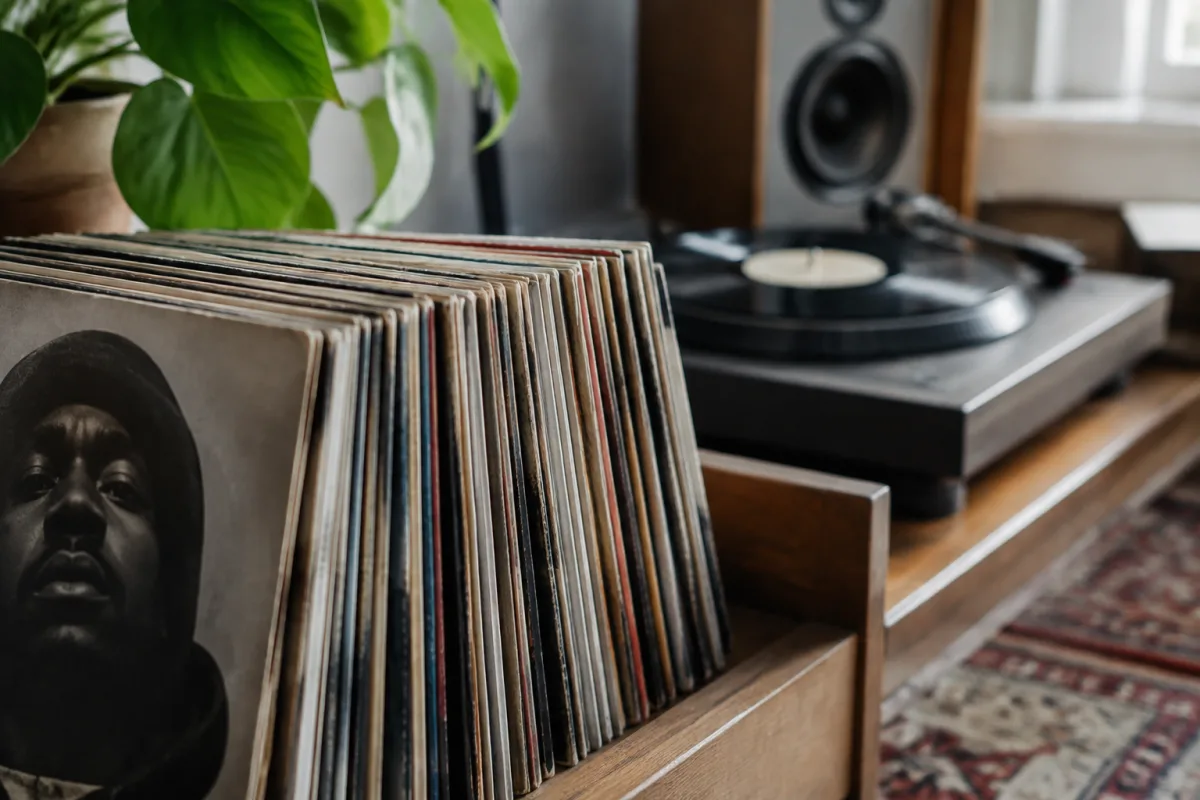
Collecting hip hop vinyl has become increasingly popular, mixing nostalgia with genuine appreciation for the format. If you're considering building a hip hop vinyl collection, understanding what separates a smart purchase from an expensive mistake is crucial. This buying guide focuses on what actually matters when choosing hip hop vinyl records—condition, pressing quality, pricing tiers, and how to spot issues before committing.
Why Buy Hip Hop Vinyl?
Hip hop vinyl exists for several legitimate reasons beyond aesthetics. Owning physical records of classic hip hop albums connects you to the music's history—many defining albums were originally released on vinyl, and hearing them on wax feels authentic. The large artwork and liner notes provide context and inspiration that digital formats lack. Some collectors argue that vinyl's warmth and character suits hip hop's soulful sound, though this is subjective. Most importantly, building a collection is a tactile, intentional process that deepens your relationship with the music.
But collecting hip hop vinyl is also expensive, so understanding what you're buying and why is essential to avoid costly regrets.
Understanding Vinyl Condition: The Critical Factor
Vinyl records are graded using a standardized scale that determines both sound quality and value. Understanding these grades helps you make informed purchases:
- Mint (M): Unplayed, pristine condition. Extremely rare and expensive, especially for older pressings. Most collectors never encounter true mint vinyl.
- Near Mint (NM): Played a few times, minimal wear. Sounds excellent and shows virtually no visible damage. Premium price, but genuine quality.
- Very Good Plus (VG+): Shows evidence of play—light scratches, minor scuffs—but plays without significant audible degradation. Good quality-to-price balance. This is where most smart collectors focus their budget.
- Very Good (VG): Clear signs of play—scratches visible in light, minor pops—but still plays decently. Significantly cheaper than VG+. Suitable for deep collection pieces you don't play frequently.
- Good (G): Heavy wear, audible surface noise, but still plays. Cheap, but sound quality is compromised. Only for rare records where no better copy exists.
- Poor (P): Barely playable, heavy damage. Avoid unless the album is impossibly rare or you're accepting significant degradation.
For hip hop vinyl you plan to actually play, VG+ is the ideal target. The quality-to-price ratio is excellent, and these records play beautifully without the premium prices of near-mint copies.
Pressing Quality: Original vs. Reissue
Original pressings (first releases, 1980s-1990s) command premium prices, but "original" doesn't always mean "better sounding." Understanding pressing variation helps you judge whether a premium price is justified:
Original Pressings (1980s-1990s): Authentic, historically significant, and usually well-mastered. However, they're often more expensive, more likely to have condition issues (they're older), and don't necessarily sound better than well-done reissues. Premium prices reflect rarity and collecting value, not always audio quality.
High-Quality Reissues (2000s-Present): Modern reissues are often audiophile-grade—remastered from the best available sources and pressed on quality vinyl. They sound excellent, cost significantly less, and come in better condition. Many collectors prefer good reissues to beat-up original pressings.
Budget Reissues: Some reissues are poorly pressed, using inferior vinyl or mediocre mastering. Sound quality is compromised. Always research the specific reissue before committing.
A rule of thumb: a VG+ high-quality reissue often sounds better and costs less than a VG original. Don't assume original automatically means better—judge each pressing on its actual quality and sound.
Price Tiers: What You're Actually Paying For
Hip hop vinyl pricing varies wildly depending on album, pressing, and condition. Understanding these tiers helps you budget intelligently:
Budget tier (£10–£30): Recent reissues, common pressings, VG or VG+ condition. Accessible entry-point for collecting. Sound quality is usually good despite the price.
Mid-range tier (£30–£100): Sought-after albums, quality reissues, NM condition, or VG+ original pressings. Most collectors spend here. You're paying for desirability and condition, not necessarily superior sound.
Collector tier (£100–£500+): Rare pressings, original editions, mint condition, or limited editions. Prices reflect rarity and collecting value. Sound quality may not justify the cost for casual listeners.
Smart collecting focuses on the mid-range tier—albums you genuinely love, in good condition, at reasonable prices. This avoids both impulse budget purchases and financially reckless collecting habits.
What to Check Before Buying Hip Hop Vinyl
Whether shopping online or in-person, specific factors affect your purchasing decision:
Pressing Details: Confirm the specific pressing—original or reissue, pressing date, vinyl quality. This information is usually on the album cover or label. Avoid guessing. Cross-reference with online databases if uncertain.
Condition Assessment: Look at detailed photos if buying online. Read condition descriptions carefully. Check whether the seller uses standardized grading. Some sellers overgrade (claiming VG+ when it's actually VG)—research their reputation before committing.
Completeness: Does the record include the original insert, liner notes, and inner sleeve? Missing elements reduce value and affect your experience. Ask sellers explicitly whether everything is included.
Play-Grade vs. Collectibility: Ask yourself honestly: am I buying this to play regularly or to collect? A played VG+ copy is perfect for enjoying music. A mint collectible is better left in the sleeve. Mismatching purpose and condition wastes money.
Seller Reputation: Buy from established dealers or sellers with strong feedback. Reputable sellers stand behind their gradings and handle records carefully. Risky sellers cut corners and misrepresent condition.
Common Buying Mistakes to Avoid
Mistake 1: Overpaying for original pressings on nostalgia alone. Just because an album is original doesn't mean it sounds better or is worth premium prices. Research specific pressings before committing. Often, recent reissues sound superior to original copies in poor condition.
Mistake 2: Buying ungraded or poorly graded records. Collectors' pricing is built on standardized grading. Buying from sellers who don't grade properly (or inflate grades) leads to disappointment when records arrive in worse condition than described.
Mistake 3: Confusing collecting value with audio quality. A rare, mint original is valuable as a collectible, but a well-mastered reissue in VG+ condition might sound better in your actual listening situation. Don't assume expensive means it sounds better.
Mistake 4: Collecting albums you don't actually enjoy listening to. Building a collection around trends or perceived value rather than music you love wastes money and space. Collect albums you'll actually play.
Mistake 5: Ignoring storage and care requirements. Vinyl requires proper care—climate control, proper storage sleeves, gentle handling. Collecting without committing to care means your records degrade and your investment suffers.
Comparing Buying Options
Online Record Shops: Largest selection, convenient browsing, detailed descriptions, but you can't inspect before buying. Higher risk if the seller misrepresents condition. Buy from established, highly-rated dealers only.
Local Record Stores: Smaller selection, but you inspect before purchasing and can ask questions directly. Build relationships with store owners—they'll guide you toward good purchases and alert you to incoming inventory matching your interests.
Secondhand Markets (Discogs, eBay, local): Best prices, unique finds, but highest risk. Research sellers carefully and read feedback thoroughly. Request detailed photos and condition descriptions before committing.
Direct from Labels/Reissue Companies: Generally reliable, contemporary reissues, fair pricing. Useful if you want recent high-quality editions rather than rare originals.
Building Your Collection Smartly
Start by collecting albums you genuinely love, in VG+ condition (the ideal balance), from sellers with strong reputations. As you develop knowledge and taste, expand into rarer pieces. Set a budget and stick to it—impulse collecting is expensive. Learn grading standards so you can assess value properly. Connect with other collectors—they'll guide you and point you toward deals.
Most importantly, remember that collecting hip hop vinyl is about connection to the music, not status or investment returns. The best collections reflect the collector's genuine taste and passion. For a comprehensive exploration of hip hop vinyl—its history, landmark albums, pressing variations, and culture—explore the complete guide to hip hop vinyl. But your buying decisions should always reflect your ears, your budget, and your love of the music.


Comments