
Desk for Music Production article
The Complete Guide to Desk For Music Production
A dedicated desk for music production creates the foundation for a professional studio environment. Discover how to choose the right desk for your workflow and budget.
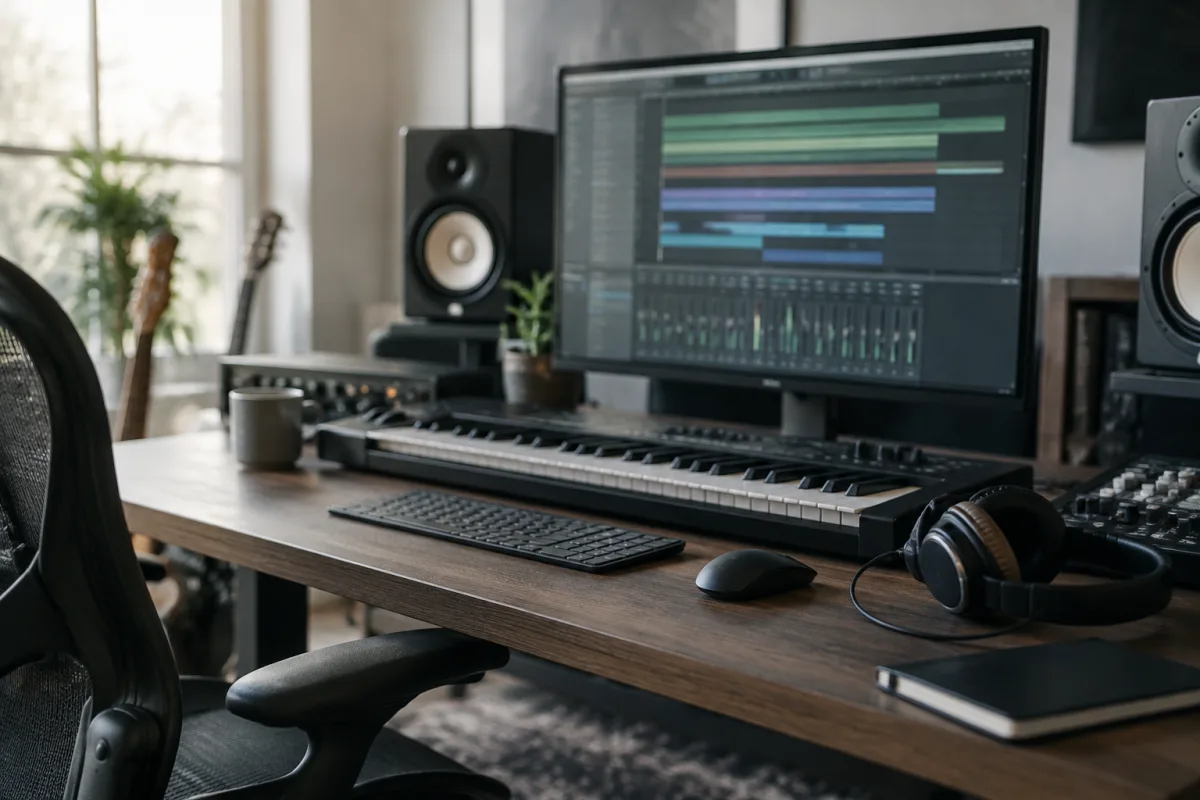
A dedicated desk for music production transforms your studio setup from a cramped, improvised workspace into an efficient, professional environment. Whether you produce electronic music, record bands, or compose film scores, the right desk for music production accelerates workflow and supports long sessions without physical strain. Choosing the ideal desk for music production requires understanding your equipment needs, ergonomics, and budget.
Why a Proper Desk for Music Production Matters
A desk for music production isn't merely a surface to place your monitor and keyboard—it's the central hub of your creative environment. A well-designed desk for music production accommodates your audio interface, monitors, keyboard controller, microphone, and accessories whilst keeping everything within arm's reach. The right desk for music production reduces clutter, minimises cable mess, and creates visual separation between your production space and the rest of your room.
Ergonomics matter significantly when selecting a desk for music production. You'll spend hours at this desk for music production, often in intense creative sessions. Poor desk positioning causes back pain, wrist strain, and repetitive stress injuries. A thoughtfully designed desk for music production maintains proper posture, positions your monitor at eye level, and keeps your keyboard and mouse at the correct height for comfortable, healthy work sessions.
Essential Desk for Music Production Features
When evaluating a desk for music production, look for these key characteristics:
- Sufficient surface area: A desk for music production needs enough depth and width to accommodate your monitor, audio interface, microphone, and other gear without crowding. Minimum 60cm deep, preferably 75–90cm for comfortable spacing.
- Cable management: Built-in cable trays, grommets, or routing channels on a desk for music production keep cables organised and prevent tangling. This becomes essential as your setup grows.
- Sturdy construction: A desk for music production must support equipment weight without wobbling. Poor stability on your desk for music production causes monitor vibration and interference with acoustic measurements.
- Adjustable height: The ideal desk for music production allows height adjustment via electric or manual mechanisms, accommodating different chair heights and user preferences.
- Mounting options: A desk for music production benefits from arm mounts for monitors and keyboard trays that clamp to the surface, freeing valuable desk space.
- Acoustic properties: Hard desk surfaces reflect sound, affecting monitoring. Some desk for music production models incorporate acoustic absorption, though you can also add absorption panels separately.
Types of Desks for Music Production
Several desk for music production designs exist, each suited to different production styles and budgets:
| Desk Type | Best For | Typical Price | Key Advantage |
|---|---|---|---|
| Studio-specific desk for music production | Professionals, serious hobbyists | £400–£1500+ | Purpose-built with cable management and ergonomics |
| Computer desk for music production | Budget-conscious beginners | £150–£400 | Affordable, widely available, sufficient for basic setups |
| L-shaped corner desk for music production | Large setups, multi-monitor users | £250–£800 | Maximises space usage, ideal for crowded rooms |
| Standing desk for music production | Health-conscious producers, remote workers | £600–£2000+ | Adjustable height promotes movement, reduces strain |
Setup Considerations for Your Desk for Music Production
Once you've chosen a desk for music production, set it up properly. Position your monitor(s) directly in front of you at eye level, approximately 60–75cm away. Your keyboard and mouse should sit at a height that allows your elbows to rest comfortably at 90 degrees—this is often lower than a standard desk for music production, so consider a keyboard tray if needed.
On a desk for music production, place your audio interface and microphone within convenient reach but not directly in your immediate workspace. A monitor mount for your audio interface, or a small shelf designed specifically for a desk for music production, keeps these elements accessible without consuming valuable surface area. Cable management on your desk for music production becomes increasingly important as your setup evolves.
Budget Considerations for a Desk for Music Production
You don't need an expensive desk for music production to begin—plenty of producers create professional-quality music on modest tables. However, a proper desk for music production proves worth the investment. Budget models around £200–£300 offer solid functionality; mid-range desks for music production (£400–£700) add ergonomic features and better construction. Premium studio-specific desks for music production exceed £1000 but incorporate acoustic treatment and professional-grade materials.
Consider your current and future equipment when budgeting for a desk for music production. If you're building a multi-monitor setup with extensive gear, invest in a larger desk for music production now rather than outgrowing a cramped one. Conversely, if you're starting minimally, you can upgrade later as your needs expand.
Acoustic Treatment and a Desk for Music Production
Your desk for music production sits in an acoustic environment. Hard desk surfaces create reflections that colour your monitoring. Placing acoustic absorption panels above your desk for music production, on the walls behind it, and to the sides improves monitoring accuracy. Some premium desks for music production incorporate acoustic foam or absorbent materials into their design; others require separate treatment additions.
The desk for music production itself should avoid excessive vibration and resonance. Solid wood or commercial-grade materials minimise vibration; avoid hollow designs or wobbly construction that might introduce acoustic colouration or mechanical noise during recording.
Lighting and Workspace Ergonomics
An often-overlooked aspect of any desk for music production setup is lighting. Proper illumination reduces eye strain during long sessions. Position your desk for music production near a window for natural light when possible, or add desk-mounted LED lamps that provide cool, flicker-free illumination without creating reflections on your monitor.
Your chair matters as much as your desk for music production. Invest in an ergonomic studio chair that supports your lower back and allows your feet to rest flat on the floor or footrest. The combination of a quality desk for music production and a proper chair transforms comfort and output quality over extended sessions.
Conclusion
Choosing the right desk for music production is an investment in both your comfort and your creative output. Whether you select a purpose-built studio desk for music production or a well-configured computer desk adapted for production, prioritise ergonomics, cable management, and sufficient surface area. Your desk for music production sets the stage for countless hours of creation—make it count. Start with a budget-conscious option if needed, but recognise that upgrading to a proper desk for music production delivers returns in comfort, efficiency, and professional workflow management that justify the cost many times over.


Comments