


Backing Track App article
Backing Track App for Beginners: A Complete Guide
A practical guide to using backing track apps for musical practice. Understand how they help beginners learn faster, build confidence, and prepare for ensemble playing.
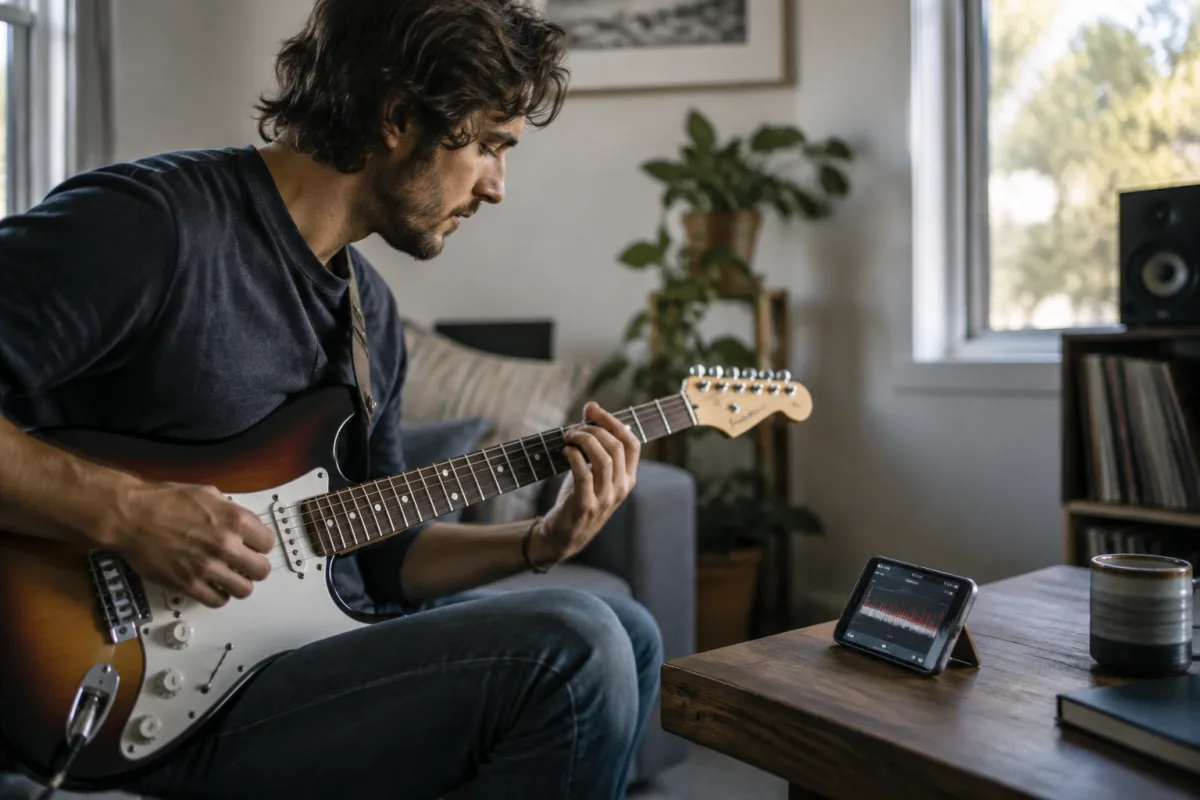
A backing track app transforms how you practise and perform music, yet many musicians hesitate to try them because they seem complicated or unnecessary. If you're a beginner considering a backing track app for the first time, you're about to discover an incredibly useful tool that accelerates learning, makes practising more enjoyable, and enables performances you couldn't manage solo. This guide removes the mystery around backing track apps, helps you understand what they do, and guides you through your first steps with confidence.
What a Backing Track App Actually Does
A backing track app plays pre-recorded or generated musical accompaniment—the parts you're not playing—while you perform your instrument or sing. The most basic backing track app is simply a audio player, but modern apps add features like tempo adjustment, sound customisation, and rhythm section editing. Think of it like having a mini band in your pocket, ready to practise or perform with whenever you want.
For beginners, the most valuable feature of a backing track app is consistency. Unlike practising with recordings or other musicians, a backing track app keeps tempo steady, repeats sections as many times as you need, and never judges your performance. It's a patient practice partner available whenever you have free time.
Why Beginners Love Backing Track Apps
Practise Confidence: Playing along with a backing track app builds your confidence dramatically faster than solo practise. You hear yourself in a musical context rather than in isolation, which makes practise feel more like real performance and less like mechanical drilling.
Tempo Learning: A backing track app helps you develop steady timing and rhythm. Playing against a consistent beat—especially when you can adjust that beat's speed—teaches you to follow time naturally and improves your rhythm faster than any metronome.
Accessible Performance: Musicians often hesitate to perform publicly because they've never played with other musicians. A backing track app lets you practise performing confidently before trying with actual bands. You can perform for audiences far earlier than traditional learning paths allow.
Flexible Scheduling: A backing track app means you're not dependent on other musicians' schedules. Practise whenever inspiration strikes or you have free time. This removes a major barrier to consistent practice.
Choosing Your First Backing Track App
Hundreds of backing track apps exist, but they fall into a few categories:
Streaming-Based Backing Track Apps: Apps like Spotify or Apple Music aren't technically backing track apps, but many beginners use them as such—playing full recordings and practising along. This is free if you already subscribe, but the app doesn't adjust to your needs or skill level.
Library-Based Backing Track Apps: Apps with pre-recorded backing tracks in various styles and keys. Brands like iReal Pro and Fake Book offer extensive libraries in many genres. These work perfectly for learning songs others have already recorded.
Sequencer-Based Backing Track Apps: Apps like BandMate or Garageband let you build custom backing tracks from loops and samples. More creative but require learning composition basics. Better for intermediate musicians than true beginners.
Band Emulation Backing Track Apps: Apps that generate drum, bass, and chord accompaniment from your input. Moises and similar apps analyse songs and extract components. Great for learning structure but less traditional.
First Steps: Getting Started with Your Backing Track App
Once you've downloaded a backing track app, here's how to begin:
Find a Song You Know Well: Start with a song you already understand—one you've listened to many times or know well. Familiarity with the material lets you focus on playing along rather than learning the song simultaneously.
Adjust Tempo Down: Most backing track apps let you slow tempos. Start at a comfortable speed—probably 60–70% of the original tempo. This gives you room to learn without feeling rushed. Speed will come naturally with repetition.
Play Multiple Times: Don't expect to nail it first try. Play the same backing track app session 5–10 times. Each repetition teaches you something: when to enter, how to follow changes, how to maintain your part while listening to others.
Record Yourself: Use your backing track app's recording feature (if available) to capture your practise sessions. Playing back your recordings (a bit painful at first!) reveals areas needing work much faster than real-time awareness.
Using Backing Track Apps Effectively
Build Gradually: Don't try complex songs immediately. Start with simple pieces with clear structure and few chord changes. The backing track app will help you master fundamentals before tackling advanced repertoire.
Use Loops Wisely: Most backing track apps let you loop specific sections. Focus on problem areas rather than playing entire songs repeatedly. If a chord change trips you up, loop just that section until it feels natural.
Match the Rhythm Section: Pay special attention to how you align with the drums and bass in your backing track app. These are the features that lock your performance into the groove. Timing against drums teaches you to feel rhythm naturally.
Experiment with Keys: Many backing track apps transpose songs to different keys easily. Try playing familiar songs in several keys. This builds flexibility and understanding rather than just memorising one key.
Common Beginner Mistakes with Backing Track Apps
Always Using Full Tempo: Beginners often start at full tempo because they're impatient. Resist this urge. Backing track apps shine when you use tempo adjustment to your advantage. Slow songs down, master them at comfortable speed, then gradually speed up over weeks. This teaches far more than struggling at full tempo.
Ignoring Audio Quality: Some backing track apps use low-quality audio. If it sounds thin or unnatural, you'll develop poor listening habits. Use higher-quality backing track apps that provide professional-sounding accompaniment.
Depending Entirely on Backing Track Apps: These apps are wonderful practice tools, but practise without them too. Backing track apps train you to listen and follow; silent practise trains independence and internal timing. Balance both approaches.
Not Listening to Full Songs: When using backing track apps to learn songs, listen to the original recording regularly. Backing track apps show the structure, but hearing the full arrangement helps you understand the artistic context of your part.
Skipping Rhythm Work: Many beginners rush to melody without solid rhythm foundations. Use your backing track app to practise rhythm—strumming patterns, bass lines, drum grooves—as much as melody. This develops musicianship faster.
Backing Track Apps for Different Instruments
For Guitar or Ukulele: Chord-focused backing track apps work beautifully. Play rhythm patterns or lead over various chord progressions. Backing track apps help you learn chord shapes in musical context rather than isolation.
For Bass: Drum and chord backing track apps let you practise lines against live-feeling rhythm sections. Bass lines lock to drums differently than chords do, and backing track apps teach this relationship clearly.
For Piano: Use backing track apps to improvise over jazz standards or build jazz vocabulary. Comping—playing chords in response to changes—is vastly easier learning against a backing track app than reading charts silently.
For Voice: Karaoke-style backing track apps build confidence and train musicality. You hear yourself in context immediately, revealing intonation and timing issues that silent practice misses.
Moving Beyond Backing Track Apps
As your skills develop, backing track apps remain useful, but you'll complement them with band rehearsals, jam sessions, and real ensemble playing. The confidence and skills you've built with backing track apps prepare you perfectly for these transitions. You're not learning in isolation anymore—you're ready to play with others.
Finding Your Rhythm
For detailed information about different backing track app options, features, and technology, read our comprehensive guide on backing track apps explained with features and platform options. That resource covers technical details and app comparisons—this guide focuses on getting you confident and playing with backing track apps right now.
Backing track apps are one of the most underrated learning tools in music. They make practise more enjoyable, build confidence faster, and prepare you for ensemble playing. Start simple, be patient with yourself, and let your backing track app become your practice partner. You'll be surprised how quickly you progress.



Comments