


Sync Licensing Buying guide
Sync Licensing: A Complete Buyer's Guide
Using music in video or advertising requires sync licensing. This guide covers where to buy licenses, what to look for and how to avoid costly mistakes.
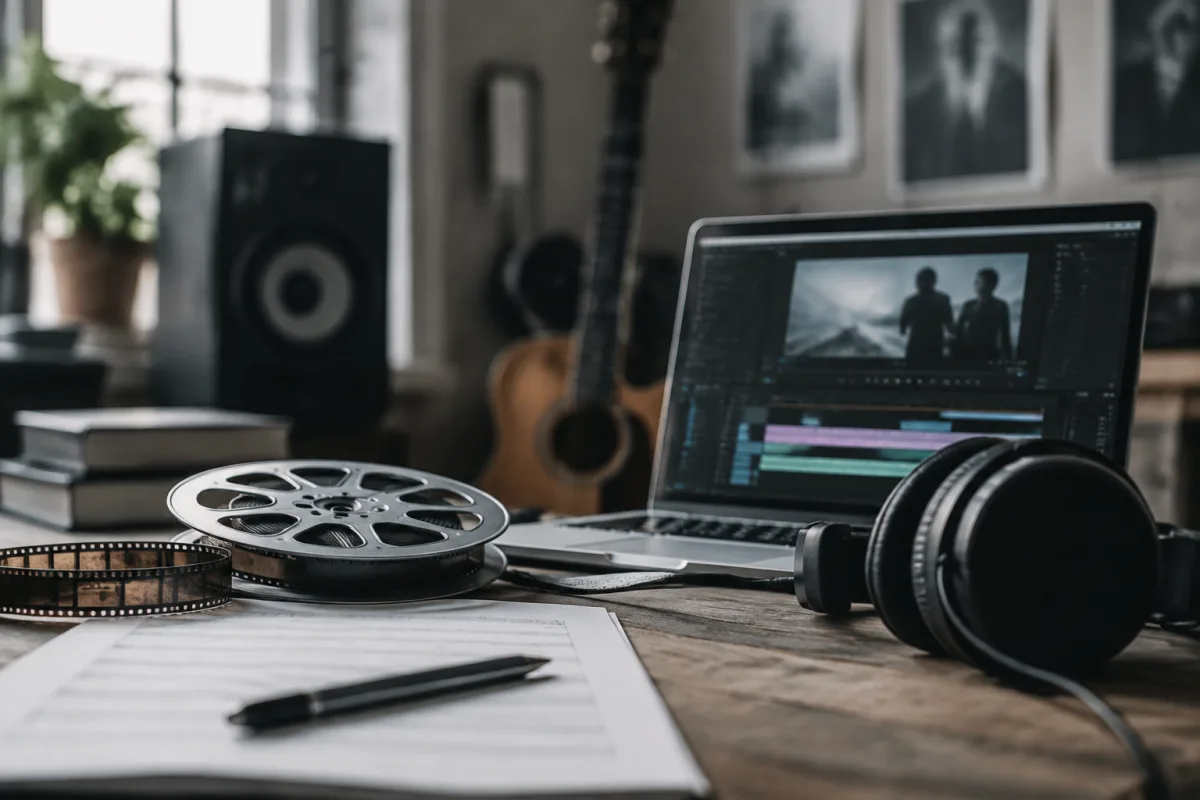
If you're producing a video, commercial, film or multimedia project, you'll need to consider music synchronisation licensing. Whether you're a filmmaker, content creator, advertiser or producer, understanding how sync licensing works and what you need to buy ensures your project stays legal, saves money and avoids costly legal disputes. This guide walks you through what sync licensing is, what to look for and where to obtain the rights you need.
What Sync Licensing Is (and Why It Matters)
Sync licensing is permission to use a piece of music alongside visual content. If you want to use a Beatles song in your YouTube video, put a pop track in your film, or license a jingle for a commercial, you're buying sync rights. Without proper licensing, you're committing copyright infringement, risking takedown notices, fines and legal liability.
Sync licensing involves two separate rights holders: the music publisher (who controls the composition—the written music) and the record label or artist (who controls the master recording). You typically need permission from both.
Types of Sync Licenses and What They Cost
Direct from Publishers/Rights Holders
You contact the copyright holder directly or through their publisher. Cost: highly variable, from £50 to £50,000+ depending on the song's popularity, your project's budget and how you'll use it (local YouTube video versus major film release). Advantages: negotiation possible, potentially cheaper for indie projects. Disadvantages: time-consuming, requires knowing who holds the rights.
Royalty-Free Music Libraries
Services like Epidemic Sound, Shutterstock Music, Artlist offer music specifically licensed for synchronisation. Cost: subscription (£10–30 per month) or per-track purchase (£5–50 per track). Advantages: quick, legal, large catalogs, often cheaper. Disadvantages: less famous music (which is fine for most projects), usage restrictions vary by license.
Creative Commons Music
Creators release music under Creative Commons licences allowing free use with attribution. Cost: free. Advantages: zero cost, legal, diverse quality. Disadvantages: attribution required, quality ranges widely, limited big-name music.
Rights Management Agencies
Agencies like Lickd, Audio Network and others broker licenses between creators and rights holders. Cost: varies; they handle negotiation. Advantages: simplifies the process. Disadvantages: not always cheaper; you're paying an intermediary.
Stock Music and Microstock Services
iStock, Getty Images, Pond5 offer affordable music for various uses. Cost: typically £5–30 per track. Advantages: cheap, reliable, clear terms. Disadvantages: often lower-quality music, limited big-name catalogue.
Understanding License Terms
Every sync license specifies terms. Know what you're buying:
Territory
Where is your music allowed to be used? Worldwide? UK only? A specific country? International projects need worldwide rights; local content may only need regional rights. Expanding territory later often means renegotiating (more cost).
Duration
For how long can you use the music? Some licenses are permanent; others expire after one year. Understand whether you need perpetual (forever) or limited rights.
Media and Platforms
YouTube requires different licensing than television broadcast, which differs from theatrical film. Online advertising is different again. A cheap YouTube license won't cover broadcast or cinema. Specify exactly where your project will appear.
Exclusivity
Can others also license this music? Non-exclusive licenses are cheaper (£20–200) because the same music is licensed to many creators. Exclusive licenses (nobody else can use this music) cost far more (£1000–10,000+). Indie creators almost always buy non-exclusive.
Budget Tier
Some licenses are based on your project's budget. A student film budgeted at £0 might cost £0 to license. A commercial budgeted at £100,000 costs more. Misrepresenting your budget is fraud. Be honest.
Attribution Requirements
Do you need to credit the artist? Creative Commons and some royalty-free libraries require credits. Others don't. Know the requirement before using.
Where to Source Music and Licenses
Major Artist Direct
Famous artists' publishers: contact their management company or publisher (listed on their official website). Good for high-budget projects willing to pay for established music.
Independent Artists
SoundCloud, Bandcamp, ReverbNation. Many indie musicians are happy to license at affordable rates. Build relationships, negotiate fairly. Good for low-budget or experimental projects.
Royalty-Free Libraries
Epidemic Sound, Artlist, Musicbed, AudioJungle. Browse catalogs, preview instantly, purchase in minutes. Ideal for creators who want fast, legal, affordable music.
Creative Commons Marketplaces
Free Music Archive, ccMixter, Incompetech. Free or nearly free music, widely variable quality. Good for student projects, non-profit uses or when budget is truly zero.
Clearance Services
Companies like Harry Fox Agency or Songfreedom handle licensing negotiations if you've found music you love and need help securing rights.
Budget Planning by Project Type
YouTube Video or Blog (Non-Monetised)
Budget: £0–30. Use royalty-free libraries (subscription £10–15/month) or Creative Commons music. Or negotiate directly with indie artists (often happy with free credit/link).
Monetised YouTube or Streaming Content
Budget: £20–100 per track. Royalty-free libraries offer reasonable rates. Avoid expensive name-brand music unless your budget allows.
Indie Short Film or Student Project
Budget: £30–200 total. Royalty-free libraries, Creative Commons, or direct negotiation with indie artists. Many artists license cheaply for artistic/exposure opportunities.
Professional Advertising or Commercial
Budget: £500–5000+. You likely need established music. Contact publishers, work with licensing agencies, budget significantly.
Theatrical Film Release
Budget: £5000–50,000+ per track. Work with licensing professionals. Budget for major compositions. Negotiate carefully.
Common Mistakes to Avoid
- Using copyrighted music without any license: "Nobody will notice" is never true. YouTube Content ID, TikTok, Spotify and others automatically detect copyright. Your video gets claimed or removed.
- Buying a license that doesn't cover your use: You licensed for YouTube but your film goes to television. You need new rights. Always read the license terms.
- Misunderstanding territory restrictions: Buying a UK-only license then releasing worldwide is infringement. Buy worldwide rights if your project is international.
- Not checking attribution requirements: You buy Creative Commons music requiring attribution then use it without crediting. That's breach of license.
- Assuming "royalty-free" means "free": Royalty-free means you don't pay royalties per viewing; you buy the license once. It's not necessarily cheap or free.
- Buying exclusive licenses unnecessarily: Non-exclusive is 10x cheaper and fine for 99% of projects. Only buy exclusive if you genuinely need it.
Red Flags in Licensing Offers
- Unusually cheap licenses for famous music. (It's probably a scam or unlicensed music.)
- No clear terms or territory restrictions specified.
- Seller asking for unusual payment methods (wire transfer to random account).
- No written contract. Always get terms in writing.
- Pressure to decide quickly. Legitimate licensing allows time to review.
For comprehensive information on sync licensing and music rights, see our complete sync licensing guide.
Final Thoughts
Sync licensing protects both creators and project owners. Whether you're paying £0 for Creative Commons music or £5000 for a famous track, understanding what you're buying and the terms you're accepting ensures your project stays legal and ethical. Budget for music from the start, understand your project's needs (territory, duration, platform), and source through reputable channels. Doing so avoids costly disputes, supports music creators and lets you focus on your creative work without legal worries.


Comments