
Read next

Music Streaming Buying guide
Music Streaming: A Complete Buyer's Guide
Selecting appropriate music streaming depends on listening habits, audio quality priorities, and budget. This guide covers pricing tiers, audio specifications, library completeness, and practical purchasing decisions.
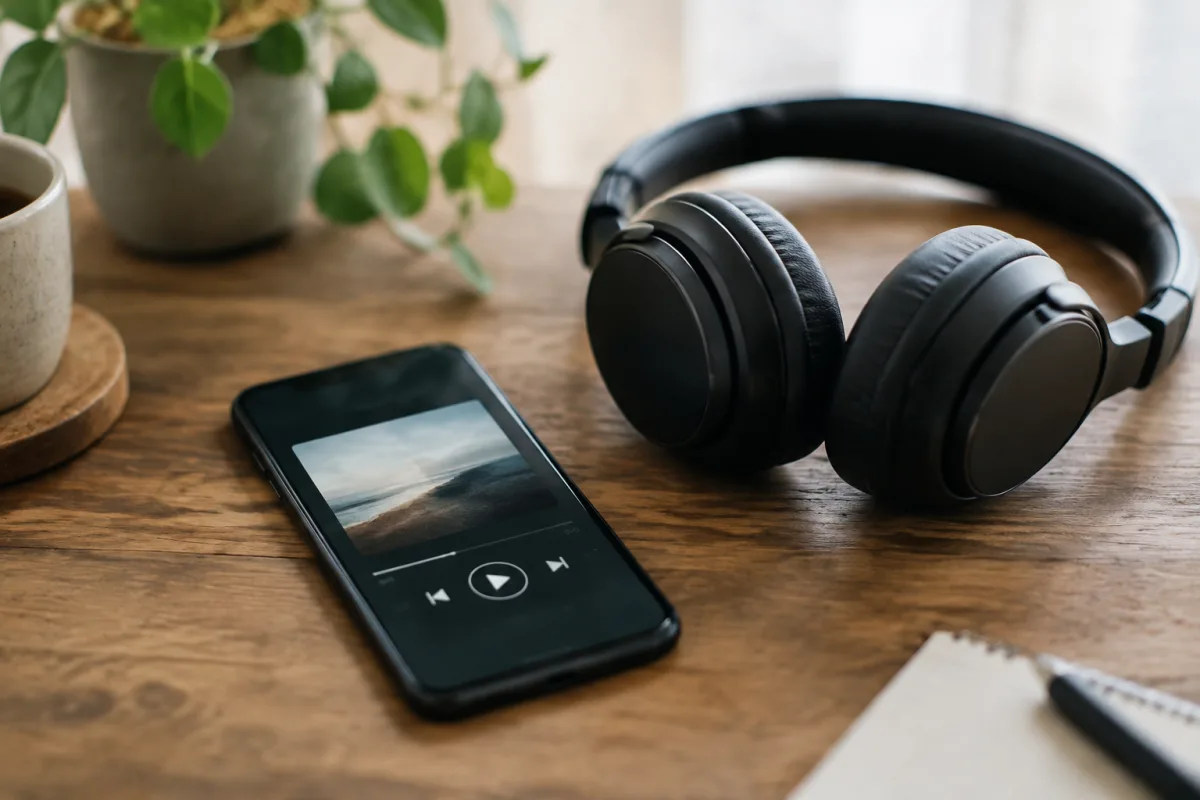
Selecting appropriate music streaming services requires understanding your listening habits, audio quality priorities, and budget constraints. The streaming landscape has matured from early chaos into a relatively stable ecosystem where multiple services coexist with distinct strengths and weaknesses. Rather than universally "best" streaming options, different services excel for different listener types. This guide focuses on practical purchasing decisions that match your actual needs rather than marketing claims about comprehensive libraries.
Understanding Music Streaming Service Categories
Free tier services with advertising (Spotify Free, YouTube Music free) provide cost-free access supporting your exploration without payment. Mid-tier subscriptions (£9-£12 monthly) offer standard quality, ad-free listening, and offline download capability. Premium audio services (£15-£20+ monthly) emphasise lossless and spatial audio formats targeting audiophiles and professionals. Family plans (£14-£20 monthly) bundle multiple individual accounts at modest premium. Understanding which category suits your needs prevents wasted spending or frustration with service limitations.
Pricing Tier Realities and Hidden Costs
Standard subscription prices hover around £10-£12 monthly across major services (Spotify, Apple Music, Amazon Music). These prices include unlimited access, ad-free playback, and mobile app functionality. Family plans (£14-£19 monthly) typically include six user accounts, working out to £2.33-£3.17 per person—genuine savings for household sharing. Student discounts (often 50% off) apply if you verify educational status through third-party verification services.
Be cautious about services bundling music streaming with other offerings (Apple Music within Apple One, Amazon Music as Prime Video benefit). Bundle pricing sometimes creates perception of value that doesn't justify the complete subscription cost. Calculate whether you'd actually use bundled services beyond streaming before committing.
Audio Quality Specifications That Matter
Standard subscription services deliver 320 kbps compressed audio via AAC or Ogg Vorbis codecs. This quality suffices for most casual listening—comfortable through earbuds or modest speakers. If you have expensive headphones (£150+) or professional monitoring setup, compressed quality limitations become more noticeable. For most listeners, standard quality proves inaudible inferior to lossless alternatives.
Lossless audio (16-bit/44.1kHz or higher) preserves complete signal information without compression. Services like Apple Music and Amazon Music HD offer lossless tiers (£15-£20 monthly). The practical reality: detecting lossless versus standard quality differences requires quiet listening environment, quality equipment, and trained ears. Many audiophiles find the difference marginal in real-world conditions. Prioritise lossless only if you genuinely notice quality differences—don't assume premium pricing automatically improves perceived audio.
Library Completeness and Content Gaps
All major streaming services (Spotify, Apple Music, Amazon Music, YouTube Music) maintain libraries exceeding 50 million tracks. Practical library differences matter less than perceived differences suggest. However, artist availability sometimes varies—independent artists sometimes choose specific platforms, classical music cataloguing differs substantially, and newly released music occasionally appears on certain services before others.
Before committing long-term, verify that your actual listening preferences (specific genres, independent artists, niche classical recordings) are well-represented on your chosen service. Most services offer free trial periods—use them to confirm your music is actually available. Library gaps matter only for music you specifically want to hear.
Offline Download and Cross-Device Functionality
Premium subscriptions enable offline downloads—storing tracks on devices for playback without internet connection. This matters significantly for commuters, travellers, and those with unreliable internet. Budget plans or free tiers typically exclude offline capability. If offline access matters to you, verify that your chosen service supports it before purchasing.
Cross-device synchronisation varies. Most services sync playlists and playback positions across phones, tablets, and computers seamlessly. Some services limit simultaneous playback to specific device types (Apple Music limits spatial audio features to Apple devices, for example). Verify cross-device functionality matches your specific device ecosystem.
Algorithmic Recommendations and Discovery Features
Spotify built its reputation on algorithmic recommendation quality. Discover Weekly playlists and Spotify Radio often introduce users to unfamiliar artists matching their listening profiles. Apple Music emphasises human curation and expert playlists alongside algorithms. Amazon Music provides basic recommendations. YouTube Music relies on Google's recommendation infrastructure.
If music discovery appeals to you, Spotify and Apple Music lead substantially. If you primarily listen to known music without seeking discovery, recommendation quality matters little. Match service selection to your discovery preferences, not general curation reputation.
Price Tier Reality Across Different Services
Spotify Standard (£10.99/month) remains the most popular mainstream choice. Apple Music (£10.99/month with lossless) appeals to iPhone users and audiophiles. Amazon Music Unlimited (£8.99/month) offers value pricing including basic hi-fi quality. YouTube Music (£11.99/month) provides YouTube content integration. All are functionally adequate—meaningful differences usually reflect ecosystem integration and feature preferences rather than objective superiority.
Free tier services (Spotify Free, YouTube Music Free) work perfectly for casual listeners accepting advertisements. Student pricing (often £5-£6 monthly) dramatically improves value for eligible users. Family plans provide exceptional per-person value if sharing among household members.
Common Purchasing Mistakes to Avoid
Subscribing to multiple services simultaneously without clear necessity wastes money. One service provides complete library access for most listeners. Only add second service if your primary choice genuinely lacks essential content or features. Most users need single service—additional subscriptions rarely provide sufficient value differentiation.
Assuming premium audio quality automatically improves listening experience leads to wasted spending. Unless you have quality equipment, quiet listening environment, and trained ears noticing compression effects, paying extra for lossless audio provides minimal benefit. Invest in quality equipment before prioritising premium audio tiers.
Committing to annual prepayment without trial period experience risks displeasure when discovering service limitations. Use free trial periods (almost all services offer 1-3 months) before paying annually. Trial listening reveals library gaps, interface frustrations, and feature availability—information worth confirming before financial commitment.
Ecosystem Integration Considerations
Apple Music integrates seamlessly into Apple ecosystem (iPhone, iPad, Mac, Apple Watch, HomePod). Spotify works universally across all platforms equally well. Amazon Music integrates with Amazon Echo devices and Prime membership. YouTube Music includes YouTube Premium benefits. Consider your existing ecosystem before purchasing—native integration improves convenience substantially.
Smart speaker compatibility sometimes varies. Amazon Echo devices favour Amazon Music but support other services with workarounds. HomePod optimises for Apple Music. Google Home works with most services equally. If smart speaker integration matters, verify that your music service is fully supported.
Pre-Purchase Research Checklist
Before committing to music streaming, evaluate:
- Your actual listening habits (casual background vs. focused albums)
- Whether your frequently-heard music is well-represented on candidate services
- Audio quality needs matching your equipment quality
- Offline download requirements for your lifestyle
- Cross-device functionality matching your devices
- Family or student pricing eligibility
- Free trial experience with interface and content
- Ecosystem integration preferences (Apple, Google, Amazon)
Use trial periods strategically. Sample a service for full trial duration, actually creating playlists, testing offline downloads, and confirming content availability. Trial feedback provides concrete information outweighing specification comparisons.
Making Your Selection
Choose one service after trial period confirmation. Standard-tier subscription (£9-£12 monthly) covers 95% of listeners' needs adequately. If you're eligible for student discount (£5-£6 monthly), that tier provides exceptional value. If household sharing applies, family plan (£3-£4 per person monthly) represents best financial value. Family/student pricing often justifies premium audio tiers that wouldn't otherwise provide value.
For comprehensive music streaming landscape analysis, industry context, and service-specific deep-dives beyond purchasing considerations, consult music streaming: what you need to know, which explores complete streaming ecosystem and professional perspectives in depth.
Annual Subscription Optimization
Most services offer slight annual savings compared to monthly billing. If you've trial-confirmed service satisfaction, annual prepayment saves 5-10% annually. However, never prepay annual until you've genuinely experienced the service—early cancellation refunds often don't apply to annual purchases. Trial thoroughly, then commit to annual saving.