


Music Promotion Buying guide
Music Promotion: A Complete Buyer's Guide
Music promotion gets your music heard, but knowing which strategies work separates smart investment from wasted spending. This guide cuts through the confusion.
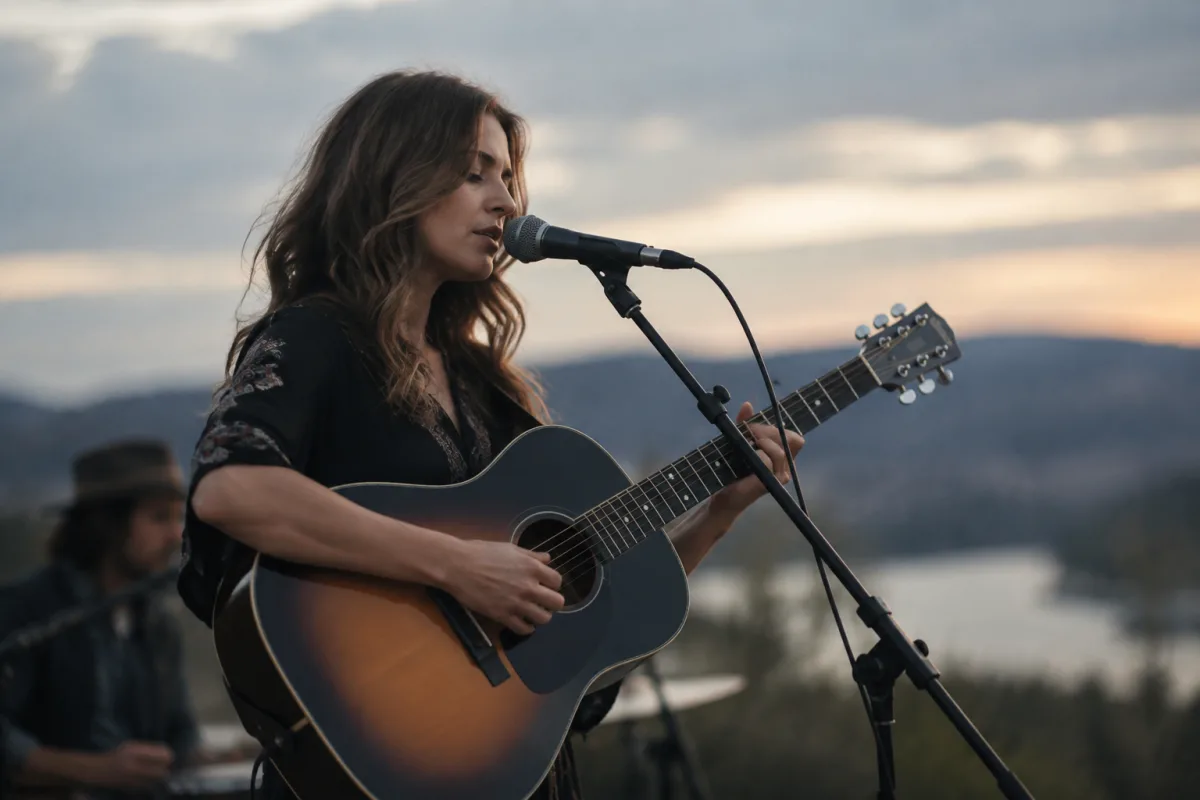
Your music is live on Spotify. Now nobody's listening. That's where music promotion comes in. Getting streams requires intentional promotion—reaching audiences, building a fanbase, and generating buzz. The challenge is knowing which music promotion strategies actually work and which are wasteful spending. This buying guide navigates music promotion options, from DIY approaches to paid services, helping you invest smartly in actually growing your listener base.
The Two Paths: Organic vs. Paid Music Promotion
Organic music promotion (social media, playlisting, community engagement) is free but time-consuming. You handle it yourself—posting clips on TikTok, emailing playlist curators, building community on Discord. The result: genuine fans who actually care about your music. The drawback: slow growth unless you're exceptionally charismatic or strategic.
Paid music promotion (playlist pitching services, advertising, influencer placement) costs money but accelerates growth. You're buying visibility directly. Music promotion services range from £10–100+ per campaign. The risk: you can waste money on placements that don't convert to real listeners or genuine fans. Understanding what works is critical before spending.
Music Promotion Services and Their Pricing
Playlist pitching services (SubmitHub, Playlisty, Music Gateway) range from free to £100+ per pitch. They pitch your track to playlist curators, hoping for placements. Success rates vary wildly. Some music promotion pitches convert to placements; many don't. Budget-conscious artists use these sparingly—pitch your strongest track to top-tier music promotion services and accept that most pitches may not land.
Influencer placement services connect musicians with TikTok creators and Instagram influencers willing to feature your music. Prices vary: micro-influencers might charge £5–20; established creators demand £100–500+. Music promotion via influencer works brilliantly if the influencer's audience aligns with your target listeners. Otherwise, it's paid impressions with no genuine fan conversion.
Paid advertising (Spotify Ads, Instagram ads targeting music listeners) costs £5–500+ depending on budget and targeting. These music promotion approaches drive streams directly but often attract passive listeners, not fans. Conversion from stream to actual follower is typically low. Only use paid advertising if you have existing data showing your music resonates.
DIY Music Promotion: The Highest ROI Approach
Social media is the most cost-effective music promotion available. Post consistently on TikTok, Instagram Reels, and YouTube Shorts featuring snippets of your music. One viral 15-second clip can drive thousands of streams. Music promotion via social media requires creativity, consistency, and understanding current trends, not money.
Email your genuine fanbase directly. A personal message to 100 real fans drives more meaningful engagement than 10,000 impressions from paid music promotion. Build an email list and treat it as your most valuable music promotion asset. Most fans will listen if you ask directly.
Playlist submissions to music promotion channels (both independent and editorial) cost nothing. Yes, response rates are low, but free music promotion through submissions has zero risk. Curators occasionally discover music this way.
Where Music Promotion Actually Works
TikTok is genuinely where modern music promotion happens. A music clip going viral on TikTok drives Spotify streams, YouTube subscribers, and merchandise sales simultaneously. Music promotion success on TikTok requires understanding trends, nailing 6–10 second hooks, and posting consistently. It's free but demands effort and cultural awareness.
YouTube music promotion through uploading your track as a lyric video or visualizer drives steady streams. Music promotion on YouTube is slower than TikTok but reaches older audiences and creates long-term playtime. Upload your track, optimize titles and descriptions for music promotion purposes, and share the link.
Reddit and Discord communities offer free music promotion opportunities. Post in relevant subreddits (r/indieheads, genre-specific communities) and Discord servers where musicians gather. Music promotion through communities requires genuine engagement, not spam. Participate, build reputation, then share your music.
Paid Music Promotion: When It Makes Sense
If you have a proven track record (previous releases with decent streams or a solid social media following), paid music promotion campaigns are justified. You're investing to accelerate what's already working. Music promotion budgets of £50–200 per release are reasonable for artists with traction.
If you're just starting, skip expensive music promotion services initially. Build organic credibility first through social media and community engagement. Once you've demonstrated that people actually like your music, paid music promotion becomes cost-effective.
Test small before committing large budgets to music promotion. A £20 playlist pitching campaign or a modest £50 Facebook ad campaign shows whether your music resonates beyond your immediate circle. Music promotion scaling comes after proving concept.
Avoiding Music Promotion Scams
Beware of music promotion promises guaranteeing plays or chart placements. These typically don't work. If a service claims "10,000 guaranteed streams for £50," they're likely buying fake streams, which damages your credibility and violates platform terms. Real music promotion is honest—no guarantees, only visibility and opportunity.
Don't buy followers or playlist spots directly (unless from the platform itself—some allow paid playlist promotion legitimately). Black-market music promotion inflates numbers artificially and flags your account as suspicious. Platforms penalise artificially promoted music.
Check reviews before paying for any music promotion service. Search for "[service name] review" and read actual artist experiences. Many music promotion services are legitimate; many are predatory. Due diligence prevents wasted money.
The Realistic Expectations for Music Promotion
A well-executed music promotion campaign (solid single, organic social media pushing, one or two paid placements) might generate 1,000–5,000 streams in the first month. That's respectable for a new artist. Organic growth accelerates over time as your catalogue grows and network expands.
Going "viral" via music promotion is rarer than lottery wins. It happens—usually through luck and timing more than strategy. Plan music promotion around steady, sustainable growth, not viral fantasies.
The musicians who build real careers typically invest in music promotion consistently over months and years, not sprinting with one expensive campaign. Music promotion budgets of £20–50 monthly, focused on your strongest tracks and channels, typically outperform one £500 blast.
For deeper insight into specific music promotion strategies, building audiences, and understanding the industry landscape, check the complete music promotion guide. Your music promotion journey starts with honest assessment: what can you realistically commit to (time and money), what's your budget, and what platforms suit your music best? Build from there.


Comments