


Music Nfts article
A Complete Guide to Music Nfts
Music NFTs offer artists potential for direct fan sales and revenue sharing via blockchain technology. But reality often falls short of hype. Learn how they work, their limitations and when they might genuinely benefit independent musicians.
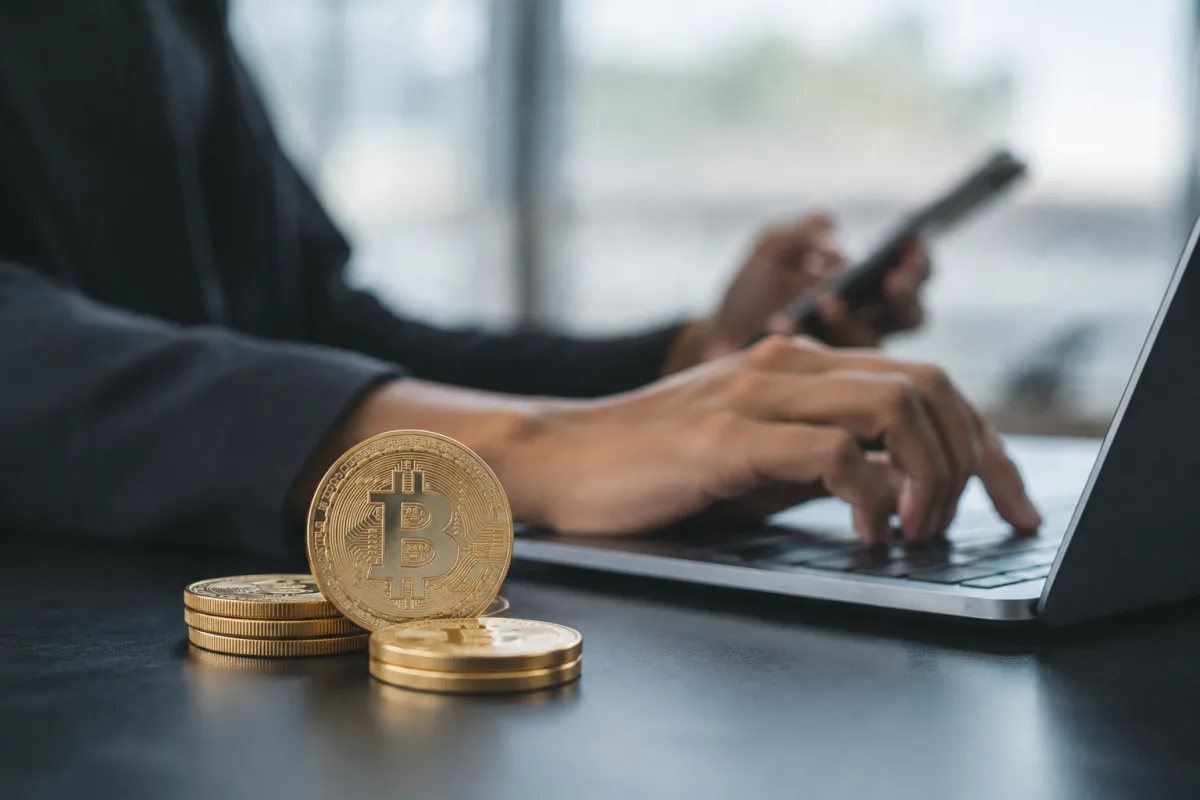
When Grimes sold digital artwork backed by blockchain technology for millions in 2021, it signalled something significant was shifting in how artists could monetise their work. Music NFTs—non-fungible tokens representing ownership of digital music assets—emerged as a potential revolution for independent musicians and established artists alike. The premise is compelling: artists create digital art or music, mint it as an NFT on a blockchain, then sell it directly to fans without intermediaries taking their cut. But beneath the hype lies complexity. Understanding what these tokens actually are, how they work, their genuine utility and their significant limitations is essential for anyone considering them as an artist or investor.
What Are Music NFTs?
A non-fungible token is a digital certificate of ownership stored on a blockchain—typically Ethereum, Solana or other networks. "Non-fungible" means each token is unique and irreplaceable, unlike fungible cryptocurrencies where one Bitcoin equals any other Bitcoin. When an artist creates a music NFT, they're minting a unique digital asset and attaching ownership rights to it. Buyers purchase this certificate of ownership, and the blockchain permanently records the transaction.
What ownership actually entails varies dramatically depending on how the NFT is created. Some music NFTs grant exclusive access to unreleased music. Others represent collectible digital items with no intrinsic music rights—essentially digital art for music fans. Some grant royalty rights or revenue sharing. Others confer no rights whatsoever beyond bragging rights of ownership. This ambiguity creates significant practical and legal confusion.
How Music NFT Transactions Work
The process starts with minting—creating the NFT on a blockchain platform like OpenSea, Raydium or artist-specific marketplaces like OneOf. An artist uploads their music or artwork, writes metadata describing what the NFT represents, sets a price (or auction parameters), and pays a gas fee—the cost of recording the transaction on the blockchain. Buyers then make an offer or purchase at the listed price using cryptocurrency, typically Ethereum or Solana.
Once purchased, the NFT enters the buyer's digital wallet—a secure storage address on the blockchain. They can hold it, resell it, or trade it like any other digital asset. Some platforms allow secondary sales to occur, with the original artist sometimes receiving royalties from each resale (typically 5-10%).
Potential Value Propositions
For established artists, music NFTs offer direct fan engagement and substantial payouts. Major artists who've experimented have raised impressive sums—Kings of Leon released a live album as an NFT; 3LAU sold $11.6 million worth in a 24-hour period. For independent musicians, the appeal lies in bypassing traditional record labels, streaming platforms and intermediaries, potentially keeping much more revenue per sale.
For fans and collectors, limited-edition digital items hold appeal if they're genuinely scarce and carry real value—exclusive content access, VIP concert passes, or investment potential if the artist's prominence grows. There's also the appeal of directly supporting artists you love whilst potentially profiting if you resell your token later at a higher price.
The Reality vs The Hype
The critical question is whether music NFTs deliver on their promises. For the vast majority of artists, they don't. Most musicians who mint NFTs receive little to no revenue. The market is dominated by established names with existing fan bases who can drive demand. For unknown artists, creating an NFT and hoping for sales is typically futile.
Secondary market speculation means most resales occur between collectors and speculators rather than genuine music fans, and prices typically crash dramatically after initial hype. A music NFT that sells for £1,000 at launch might be resellable only for hundreds of pounds months later. This volatility makes them poor investments for most participants.
The Environmental Cost
Early blockchain networks, particularly Ethereum's original proof-of-work system, consumed enormous electricity to record and verify transactions. Creating music NFTs on these networks contributed to significant carbon emissions. Whilst newer networks like Solana use far less energy, and Ethereum transitioned to proof-of-stake in 2022, the environmental impact remains a legitimate concern driving criticism from environmentally conscious artists.
Practical Challenges and Limitations
Music ownership through NFTs creates legal ambiguity. Purchasing an NFT doesn't necessarily grant copyright ownership—the artist retains that unless explicitly transferred. What you often own is simply the certificate itself and whatever rights the creator specified, which might be minimal. Disagreements about what buyers actually purchased have led to legal disputes and unhappy customers.
Platform dependency presents another risk. If a marketplace shuts down, your NFTs might become inaccessible or unsellable. The permanence of blockchain doesn't help if the platform where you view and trade them disappears. Scams and fraud are rife—fake NFTs, rug pulls where creators vanish after taking funds, and stolen intellectual property minted without artist permission.
Sustainable Applications Emerging
Rather than pure speculation, some artists use music NFTs for specific, practical purposes. Offering exclusive bonus content to NFT holders creates genuine utility. Some musicians use them for crowdfunding specific projects—selling NFTs to fund album production, with real album ownership or revenue sharing built in. Others use them as concert tickets or VIP passes, where the NFT serves a genuine function.
Smart contracts on these blockchains enable royalty distribution—automatically splitting revenue among collaborators and paying out in real-time. This transparency appeals to artists frustrated by traditional label accounting and payment delays.
Is There a Future for Music NFTs?
The initial excitement has deflated substantially. Major platforms have scaled back music NFT initiatives. Mainstream adoption hasn't materialised as predicted. However, some infrastructure and use cases are stabilising. Long-term, music NFTs will likely remain a niche tool rather than revolutionising the music industry as early advocates predicted.
For artists, the realistic assessment is this: if you have an engaged fanbase and something genuinely valuable to offer (exclusive content, equity in revenue, genuine scarcity), music NFTs might generate additional income. For unknown artists without an existing audience, the returns typically don't justify the effort and costs involved.
Practical Considerations Before Launching
If you're considering creating music NFTs, understand precisely what you're offering and what rights buyers receive. Be transparent about authenticity and scarcity. Consider whether your fanbase would genuinely value what you're selling. Investigate platform reputation carefully—some marketplaces have shuttered or proven unreliable. Calculate total costs including platform fees, gas fees and marketing against realistic revenue expectations.
Treat music NFTs as a potential supplementary revenue stream rather than your primary income source. For most musicians, they remain experimental territory rather than a reliable path to substantial income.



Comments