
England Charts Top 40 article
The Complete Guide to England Charts Top 40
The England Charts Top 40 remains British music's ultimate measure of commercial success. From physical sales origins to today's streaming-integrated system, these rankings shape careers and define eras.
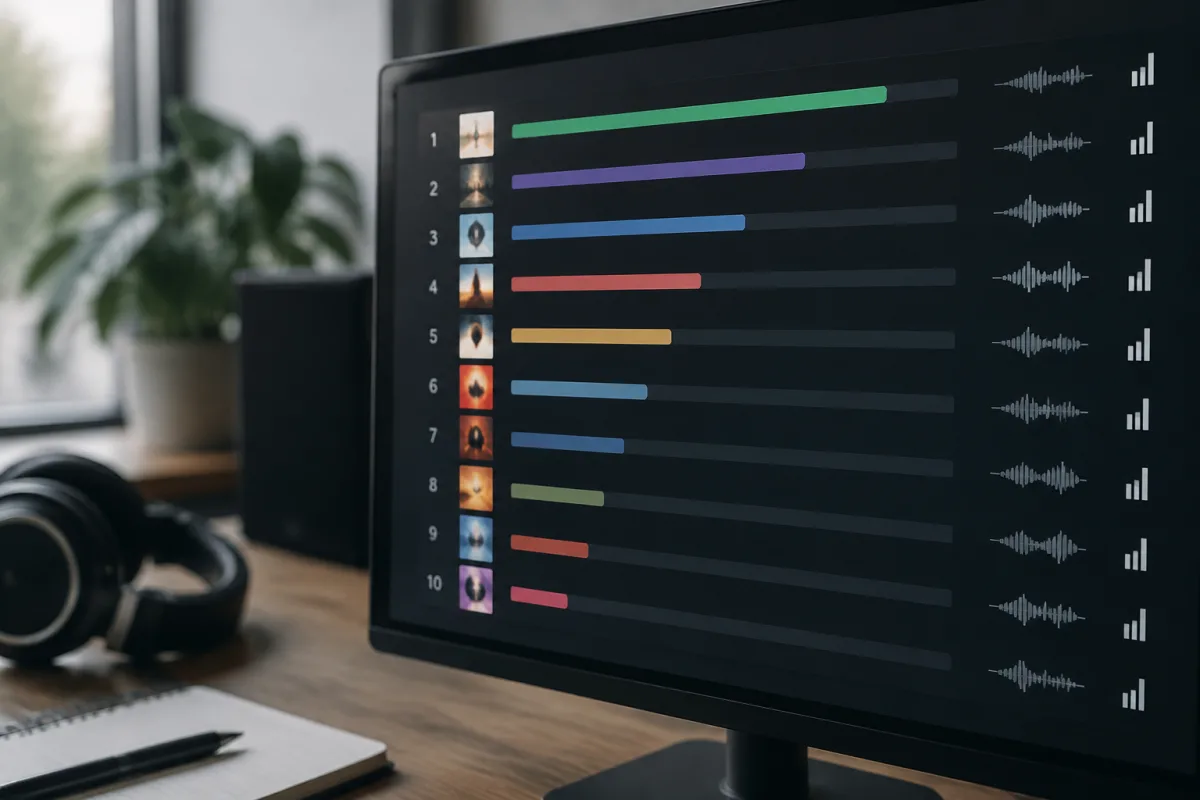
The England charts top 40 represents the beating heart of British popular music, a weekly snapshot of what the nation is playing and buying. Compiled by the Official Charts Company on behalf of the British music industry, these rankings have shaped careers, defined eras, and become the ultimate measure of commercial success in the United Kingdom. For artists, labels, and radio stations, achieving a strong position remains the gold standard of musical achievement.
The History of the Official Charts
The Official Charts Company has tracked music sales and consumption since the 1950s, making Britain's chart system the oldest continuous ranking in the world. Originally based solely on record shop sales, the methodology has evolved dramatically over seven decades. The early decades saw physical sales dominate; radio play and then streaming have progressively reshaped how positions are calculated. Today's rankings incorporate downloads, streams, and physical sales weighted by various metrics to produce a comprehensive picture of what British listeners genuinely prefer.
How the England Charts Top 40 Ranking System Works
The chart releases every Friday, with data collected from Tuesday to Monday of the preceding week. Positions depend on aggregated streams, downloads, and physical sales from retailers both online and offline. A single performance on streaming platforms can contribute significantly to chart position, reflecting how modern audiences consume music. Interestingly, physical sales—once the primary driver—now account for a smaller but still meaningful portion of calculations, with vinyl resurgence adding an unexpected variable to contemporary chart competition.
Rankings update constantly as new data arrives from retailers and streaming platforms, though official positions hold fixed until the following week's release. This creates anticipation and strategic release timing, with many artists and labels carefully planning single and album launches to maximise first-week impact.
Notable Chart Achievements
Topping the rankings remains the dream of virtually every British musician. Some achievements stand out: consecutive number-one singles establish genuine superstardom, whilst certain artists have dominated the top positions for entire decades. The Beatles, The Rolling Stones, Elton John, and more recently artists like Adele and Ed Sheeran have all achieved remarkable chart longevity. International artists regularly compete successfully, particularly from the United States, Australia, and Europe, reflecting the global nature of contemporary music consumption.
Genre Representation
These rankings typically feature a blend of genres reflecting current tastes. Pop music consistently claims the largest share of top positions, with rock, hip-hop, dance, and R&B also regularly represented. Composition shifts seasonally, with certain genres proving more popular during summer months or festive periods. Independent artists and smaller labels increasingly appear on the rankings, particularly as streaming platforms democratise distribution and allow niche audiences to collectively push tracks to mainstream prominence.
| Chart Statistic | Description | Impact |
|---|---|---|
| Weekly Release Schedule | Rankings publish every Friday with data from Tue-Mon | Allows strategic release timing for maximum impact |
| Methodology Update 2021 | Streaming now counted in addition to sales | Reflects how listeners actually consume music |
| Physical Sales Portion | Still meaningful despite streaming dominance | Vinyl collectors influence positions significantly |
| Multi-Week Tracking | Songs can chart for many weeks | Longevity indicates sustained popularity |
Chart Strategy and Music Industry Impact
Record labels invest significant resources in charting strategy. Marketing budgets concentrate on the critical first two weeks following release, when initial momentum proves most influential. Radio play, playlist placement on streaming services, and paid promotions all factor into performance. Success on the rankings can transform an artist's career trajectory, opening doors to festival appearances, touring opportunities, and international recognition that might otherwise remain inaccessible.
Interestingly, chart performance doesn't always correlate directly with artistic quality or critical acclaim. Some critically acclaimed artists never achieve high positions, whilst certain chart-topping songs later disappear into obscurity. This contradiction reflects the difference between commercial appeal and artistic substance, a tension that has always existed within popular music.
The Streaming Revolution's Impact
Since streaming became chart-eligible, the landscape has shifted noticeably. Artists can now accumulate hundreds of millions of streams, making high positions achievable without traditional radio support or record-shop shelf space. This democratisation has enabled genre diversity and international artists to chart more readily. Simultaneously, it has created new challenges: bot activity and artificial streaming manipulation pose ongoing threats to chart integrity, requiring constant vigilance from compilers.
Why the Rankings Still Matter
Despite being over seven decades old, these rankings remain culturally significant. Media outlets report chart news extensively, festival lineups reference chart success, and artists still consider positioning crucial for credibility and career momentum. Success translates into concert ticket sales, merchandise opportunities, and synchronisation licensing deals for films and television. For emerging artists particularly, a strong showing can accelerate their journey from obscurity to household recognition.
Conclusion
The England charts top 40 endures as Britain's most authoritative measure of commercial music success. From its origins in physical record sales to today's streaming-integrated methodology, the rankings continue evolving whilst maintaining their cultural centrality. Whether a song charts for one week or dominates for months, achieving recognition represents every musician's aspiration. As long as people listen to, buy, and share music, the Official Charts will document those choices, making them an essential barometer of British musical taste and a historical record of what moved the nation.



Comments