
Gothic Rock Artists article
The Complete Guide to Gothic Rock Artists
Gothic rock artists have shaped music and culture for decades, blending dark aesthetics with melodic sophistication and genuine artistic vision.
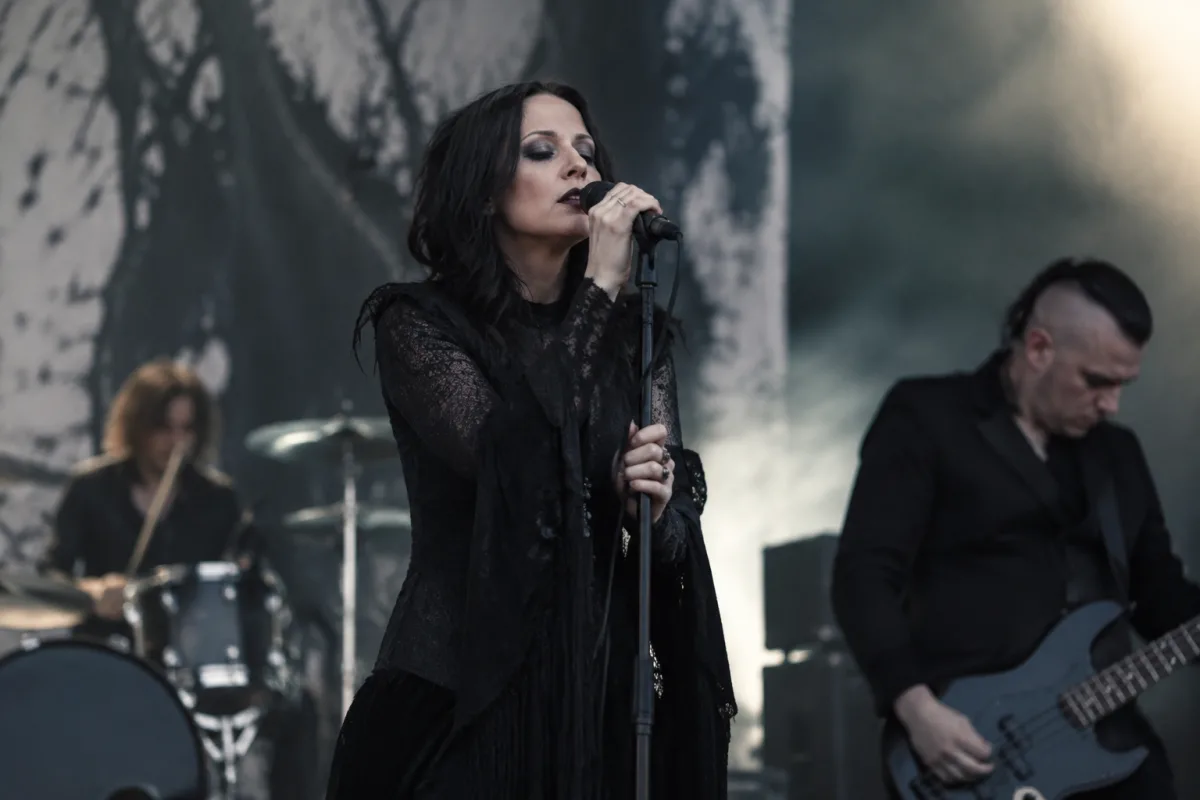
Gothic rock artists have shaped music history with their distinctive blend of post-punk darkness, melodic sensibility and theatrical presentation. From the 1970s through to today, gothic rock artists continue to influence contemporary music, fashion and visual culture. Understanding the key figures in this genre reveals a rich landscape of innovation, reinvention and genuine artistic ambition.
The Genesis of Gothic Rock Artists
Gothic rock emerged in the late 1970s as a darker, more introspective branch of post-punk. Early gothic rock artists drew inspiration from punk's raw energy whilst incorporating classical and orchestral elements. Bands like Bauhaus and Siouxsie and the Banshees pioneered a sound that was both aggressive and melancholic, creating a template that countless gothic rock artists would follow and reinterpret.
What distinguished early gothic rock artists was their willingness to embrace darkness as an aesthetic and emotional journey rather than shock value. The music explored themes of mortality, spirituality, loss and transcendence with genuine philosophical depth. This seriousness of intent separated gothic rock artists from their glam rock predecessors and established the genre's intellectual credentials.
Pioneering Gothic Rock Artists (1978–1985)
The foundations laid by pioneering gothic rock artists remain influential today. These artists established the visual language and sonic palette that define the genre:
- Bauhaus — Iconic gothic rock artists whose 1979 debut established the template: minimalist post-punk married to Peter Murphy's dramatic baritone and an atmosphere of theatrical dread. Their cover of "Bela Lugosi's Dead" became the anthem of gothic rock artists worldwide.
- Siouxsie and the Banshees — One of the first gothic rock artists to achieve mainstream success, Siouxsie Sioux's distinctive voice and the band's orchestral arrangements created lush, complex soundscapes that influenced generations of gothic rock artists.
- The Cure — Gothic rock artists who blended post-punk with pop sensibility, proving that gothic rock artists could achieve chart success without compromising artistic vision. Albums like "Disintegration" remain benchmarks for the genre.
- Sisters of Mercy — Gothic rock artists who embraced industrial textures and martial rhythms, creating a harder edge than their peers whilst maintaining melodic sophistication. A major influence on later gothic rock artists.
- Fields of the Nephilim — Among the most atmospheric gothic rock artists, creating monumental soundscapes built on minor-key guitar work and genuinely unsettling imagery.
The Second Wave and Diversification (1985–1995)
As gothic rock artists gained influence, the genre fragmented into multiple styles, each preserving the core darkness whilst exploring different territory. Some gothic rock artists moved towards romanticism and beauty, whilst others descended further into industrial and electronic experimentation.
Type O Negative exemplified how gothic rock artists could embrace humour and darkness simultaneously, creating heavy, bass-driven gothic rock that was both operatic and visceral. Bands like The Mission and Nosferatu broadened what gothic rock artists could be, pushing into new sonic and conceptual territory. Meanwhile, This Mortal Coil and Dead Can Dance proved that gothic rock artists need not rely on electric guitars, creating orchestral and world-music-influenced soundscapes.
Theatrical Gothic Rock Artists
Some gothic rock artists made theatrical presentation integral to their identity. These performers understood that gothic rock was a complete artistic package encompassing music, visual spectacle and conceptual coherence. Bands like Christian Death and Jarboe developed personas and stage presentations that elevated gothic rock artists beyond mere musicians into fully realised artists.
The Vampire's Kiss, theatrical costume work and concepts exploring spirituality and transgression became hallmarks of such gothic rock artists. Their influence extended beyond music into underground film and visual culture, demonstrating that gothic rock artists could be serious commentators on society, mortality and human experience.
Modern Gothic Rock Artists (1995–Present)
Contemporary gothic rock artists inherit a rich tradition whilst responding to contemporary concerns. Bands like Paradise Lost and Lacuna Coil demonstrate how gothic rock artists today balance accessibility with artistic depth. They prove the genre remains vital, generating new voices and maintaining relevance across generations.
Modern gothic rock artists often blend elements from their predecessors: the minimalism of Bauhaus, the melodicism of The Cure, the heaviness of Sisters of Mercy, and the experimental spirit of earlier pioneers. Acts like Deathstars, VNV Nation and others show gothic rock artists continue to attract talented musicians willing to explore darkness as aesthetic and philosophical concept.
Themes and Artistic Concerns of Gothic Rock Artists
Across all eras, gothic rock artists share certain artistic preoccupations. Mortality, spirituality and the sublime recur throughout the genre. Gothic rock artists often engage with Romantic poetry, classical literature and philosophical concepts about darkness and light.
Gothic rock artists distinguish themselves through treating these themes with intellectual rigour rather than melodrama. A great gothic rock artist creates atmosphere, narrative depth and emotional authenticity rather than relying on shock or empty aestheticism. The best gothic rock artists make their darkness meaningful, connecting the musical and visual to genuine artistic vision.
The Enduring Legacy of Gothic Rock Artists
Gothic rock artists have proven their genre's durability and influence. Modern metal, alternative rock, industrial and even mainstream pop musicians acknowledge gothic rock artists as foundational. The aesthetic established by pioneering gothic rock artists remains recognisable: dark clothing, dramatic makeup, introspective lyrics, melancholic melodies layered over driving rhythms.
Most importantly, gothic rock artists demonstrated that commercial success and artistic integrity need not conflict. Bands like The Cure, Siouxsie and the Banshees, and Fields of the Nephilim achieved genuine popularity by refusing to compromise their vision. That balance — accessible yet uncompromising, darkly beautiful yet intellectually serious — remains the ideal that contemporary gothic rock artists aspire towards.


Comments