
Gothic Music Artists article
The Complete Guide to Gothic Music Artists
Gothic music artists have created some of the most emotionally resonant and artistically ambitious music of the past four decades. From The Cure's melancholic intensity to contemporary fusion approaches, gothic music artists continue redefining what darkness and introspection can express through sound.
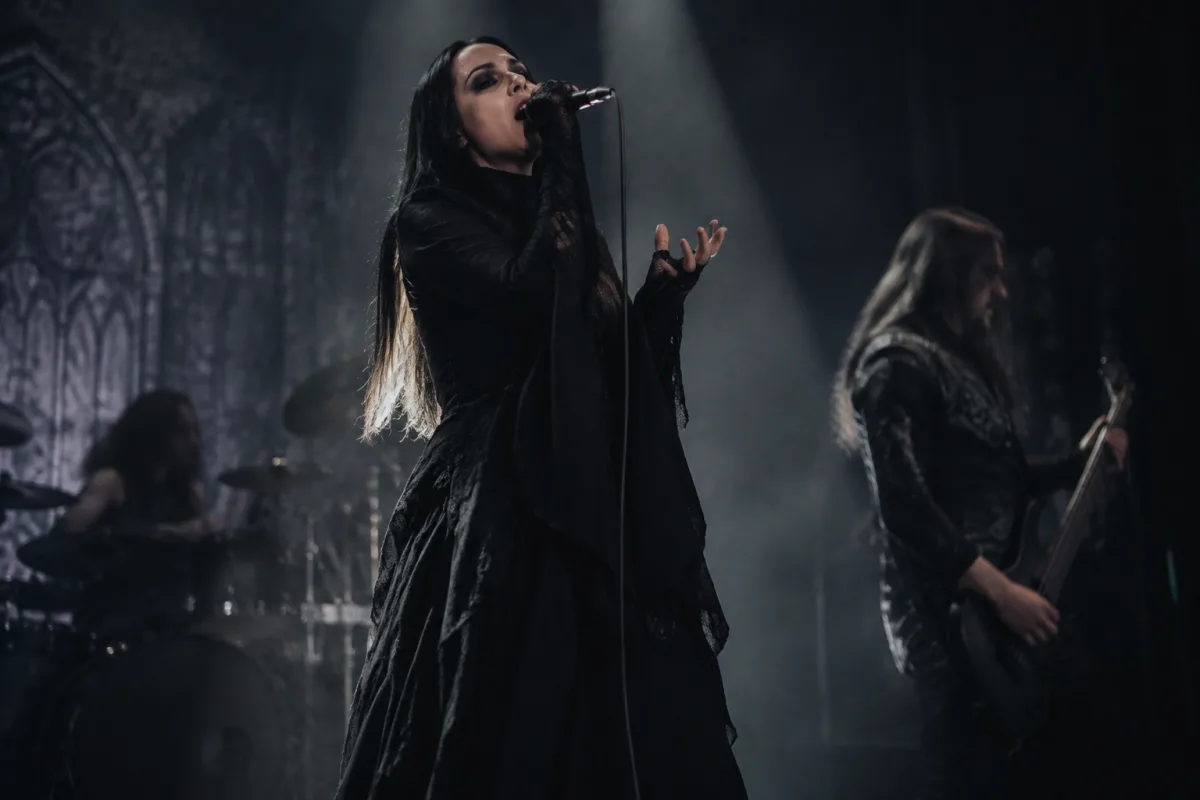
Gothic Music Artists: The Architects of Darkness
Gothic music has produced some of the most distinctive and influential figures in alternative culture. The term "gothic music artists" encompasses a wide spectrum of musicians who shaped the genre from its industrial punk roots through to contemporary interpretations. Whether you're exploring the genre's history or seeking new artists, understanding the greatest gothic music artists reveals the depth and diversity that defines this enduring movement.
Defining Gothic Music and Its Artists
Gothic music artists emerged primarily during the 1980s post-punk era, drawing from industrial music, punk aesthetics and darkwave influences. What unites gothic music artists is not a singular sound but rather a shared aesthetic sensibility—themes of melancholy, darkness, introspection and often theatrical presentation. The greatest gothic music artists combine atmospheric instrumentation with emotionally intense vocals and thoughtful, often poetic lyrics.
Gothic music artists span numerous subgenres including gothic rock, electronic body music (EBM), darkwave and gothic metal. This diversity means the term encompasses everyone from traditional guitar-driven rock bands to synth-heavy electronic acts, yet all share the identifying characteristics of gothic music artists.
Pioneer Gothic Music Artists of the 1980s
The Cure
Few gothic music artists have achieved The Cure's longevity and cultural impact. Robert Smith's distinctive vocal style and the band's atmospheric guitar work defined what gothic music artists could achieve. Albums like "Disintegration" remain benchmarks for the entire genre, influencing countless gothic music artists who followed.
Bauhaus
Bauhaus created one of the most iconic recordings in music history—"Bela Lugosi's Dead"—a track that essentially defined the sound that gothic music artists would pursue for decades. Peter Murphy's theatrical vocals and the band's sparse, menacing arrangements exemplified how gothic music artists could create atmosphere through restraint and precision.
Siouxsie and the Banshees
Siouxsie Sioux stands among the most influential gothic music artists ever recorded. Her powerful vocals and the band's innovative approach to post-punk created a template that countless gothic music artists have studied and emulated.
1990s Development and Diverse Voices
The 1990s saw gothic music artists expand the genre's sonic and thematic possibilities. Depeche Mode, whilst not exclusively gothic, produced albums that appealed deeply to gothic music artists and their audiences. Peter Murphy's solo work demonstrated that gothic music artists could sustain compelling careers beyond their original bands.
Sisters of Mercy emerged as one of the most commercially successful gothic music artists, whilst their electronic percussion approach influenced the direction that many gothic music artists would adopt. Other notable gothic music artists from this period include Paradise Lost, who merged gothic aesthetics with metal instrumentation.
Major Gothic Music Artists You Should Know
Type O Negative
Peter Steele's operatic bass vocals made Type O Negative distinctive among gothic music artists. Their blend of gothic aesthetic, humour and theatrical presentation attracted audiences beyond typical gothic music artists fans.
The Cruxshadows
As primarily instrumental gothic music artists, The Cruxshadows demonstrated that vocals weren't essential to gothic expression. Their cinematic approach influenced how gothic music artists thought about atmosphere and composition.
London After Midnight
Sean Brennan's solo project as gothic music artists exemplified the DIY ethos that allowed gothic music artists to maintain artistic control whilst building devoted followings outside mainstream channels.
VNV Nation
Representing the electronic end of the gothic spectrum, VNV Nation shows how gothic music artists adapted to industrial and electronic production methods whilst maintaining gothic aesthetic values.
Contemporary Gothic Music Artists
Modern gothic music artists continue expanding the genre. Bands like Evanescence brought gothic sensibilities to mainstream rock, proving that contemporary gothic music artists could achieve commercial success without diluting their artistic vision. The Gothic Metal subgenre features gothic music artists like Lacuna Coil and Epica, who merge heavy instrumentation with gothic atmosphere.
Electronic producers working within gothic styles demonstrate that modern gothic music artists operate across technology-based platforms. Internet platforms have democratised how gothic music artists reach audiences, enabling emerging artists to build followings without major label support.
Key Characteristics of Important Gothic Music Artists
Atmospheric Production
Successful gothic music artists prioritise atmosphere and mood. Whether through reverb-heavy guitar, layered synthesizers or minimalist arrangements, gothic music artists create soundscapes that evoke emotional responses through textural subtlety.
Lyrical Depth
The greatest gothic music artists treat lyrics as poetry. Rather than focusing on conventional song structures, top gothic music artists craft narratives exploring themes of loss, mortality, philosophy and transcendence.
Visual Presentation
Gothic music artists understand that music exists within a visual context. From stage presence to album artwork, important gothic music artists maintain consistent aesthetic presentation.
Emotional Authenticity
Unlike some genres where emotion might be performative, the most respected gothic music artists communicate genuine emotional depth. Audiences respond to gothic music artists who channel authentic feeling rather than stereotypical gothic affectation.
Gothic Music Artists and Genre Evolution
The relationship between gothic music artists and their genre is symbiotic. Early gothic music artists defined aesthetic possibilities; subsequent gothic music artists expanded those boundaries through experimentation. Metal influences transformed gothic music artists' instrumentation. Electronic innovation allowed gothic music artists to explore new sonic territories. Hip-hop sampling techniques influenced how contemporary gothic music artists construct compositions.
The genre's flexibility means that modern gothic music artists can draw from multiple traditions—industrial, metal, electronic, acoustic—whilst maintaining distinctly gothic character through atmosphere and sensibility.
Conclusion
Gothic music artists represent far more than a simple aesthetic choice. From Bauhaus's stark minimalism to contemporary fusion approaches, gothic music artists have consistently created emotionally resonant, artistically ambitious work that challenges mainstream conventions. Whether through The Cure's emotional intensity, Type O Negative's theatrical blend of darkness and humour, or contemporary artists expanding into electronic and metal territories, gothic music artists continue proving that darkness and introspection remain profoundly appealing to audiences seeking depth and authenticity in music. Exploring these artists reveals not just a genre but an entire worldview expressed through sound.
Frequently Asked Questions
Q: Who are the most influential gothic music artists of all time?
A: The Cure, Bauhaus, Siouxsie and the Banshees and Depeche Mode are universally recognised as foundational gothic music artists. These acts essentially created the template that subsequent gothic music artists would develop.
Q: Is gothic music the same as goth rock?
A: Goth rock is a specific subgenre within gothic music. Gothic music artists work across multiple subgenres including darkwave, industrial, electronic body music and gothic metal.
Q: What makes someone a gothic music artist versus just an alternative artist?
A: Gothic music artists typically embrace themes of darkness, melancholy and introspection, coupled with specific aesthetic traditions. Alternative artists may work with darker themes without necessarily adhering to gothic traditions.
Q: Are there modern gothic music artists worth listening to?
A: Absolutely. Lacuna Coil, Epica, Evanescence and numerous independent gothic music artists continue creating compelling work that both honours genre tradition and pushes artistic boundaries.
Q: How did the internet change how gothic music artists reach audiences?
A: The internet democratised distribution, allowing gothic music artists to bypass traditional gatekeepers and build devoted fan communities directly. Streaming platforms have made gothic music artists' entire catalogues accessible globally.
Q: Can gothic music artists achieve mainstream success?
A: Yes. Evanescence proved that gothic-influenced music could achieve platinum status and mainstream radio play. However, some gothic music artists deliberately maintain independent status to preserve artistic control.


Comments