
UK Chart History article
The Complete Guide to Uk Chart History
UK chart history spans over 70 years of music milestones. From Here in My Heart in 1952 to today's streaming rankings, discover how the charts shaped British popular culture and launched legendary careers.
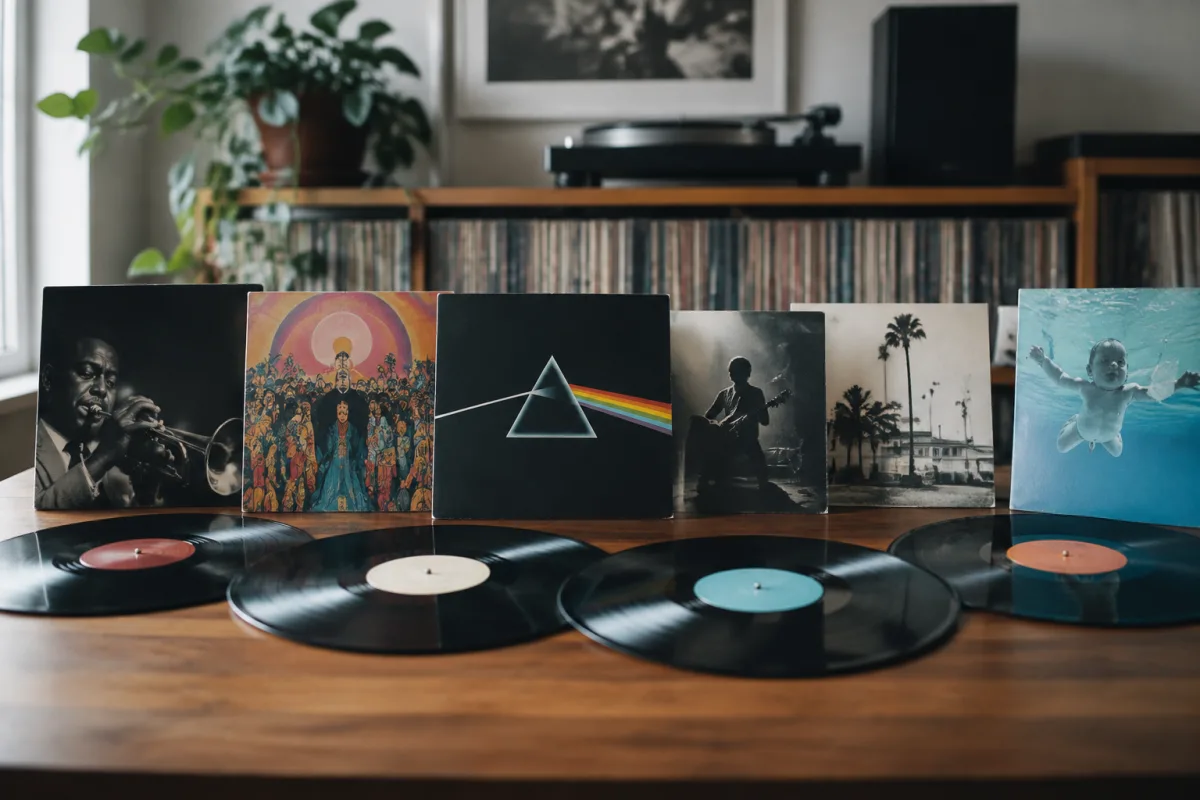
The UK music charts have shaped popular culture and launched countless careers for over seven decades. From the first official chart in 1952 to today's streaming-era rankings, charting in the UK represents a milestone every artist aspires to achieve. This guide explores the fascinating history of these charts, how they work, their cultural impact, and the stories behind some of music's most memorable chart moments.
The Beginning: UK Chart History Starts Here
UK chart history officially began on 14 November 1952 when the New Musical Express (NME) published the first-ever singles chart. The chart counted sales reported by record retailers across Britain, ranking the top 20 singles. "Here in My Heart" by Al Jolson claimed the inaugural number-one position. This simple weekly ranking would become the most important measure of commercial success in British music for generations to come, shaping which records received radio play, which artists landed tours, and which became household names.
How the UK Charts Evolved
The charts changed significantly over the decades:
- 1950s–1960s: Pure sales-based ranking of 7-inch singles. Radio airplay influenced sales but was not directly counted in chart positions.
- 1970s–1980s: Albums charts launched (1956), and later, compilation charts. Retail sales remained the primary metric.
- 1990s: Digital downloads began fragmenting the sales data, though physical sales still dominated.
- 2004 onwards: Official Charts Company introduced download tracking, then streaming data in 2014.
- Present day: Charts count streams (weighted by service), digital downloads, and CD/vinyl/cassette sales, creating a truly multi-format leaderboard.
Major Eras of UK Chart History
Several distinct eras defined the charts' cultural significance:
| Era | Key Features | Dominant Genres | Notable Impact |
|---|---|---|---|
| Skiffle & Rock & Roll (1950s) | Singles-focused, rural listeners excluded | Rock & roll, skiffle | Elvis, Chuck Berry chart battles |
| The British Invasion (1960s) | UK acts began dominating US charts | Beat, mod, psychedelic | The Beatles, Stones, Who emerged |
| Progressive & Glam (1970s) | Albums became equally important | Rock, glam, progressive | Led Zeppelin, Bowie ruled both charts |
| Synth-Pop & New Wave (1980s) | Technology transformed production | Synth-pop, new wave | Duran Duran, Human League dominated |
| Britpop Boom (1990s) | UK acts ruled the world; charts expanded | Britpop, grunge, hip-hop | Oasis, Blur, Pulp national treasures |
| Digital Revolution (2000s–present) | Downloads, streams, TikTok virality | Pop, grime, drill, trap | Accessibility democratised chart entry |
Memorable UK Chart Moments
Several records and achievements remain etched in UK chart history. The Beatles hold the record for most number-one singles (17), whilst Elvis claimed 21. Mariah Carey and George Ezra have both scored multiple consecutive number-ones in the streaming era. In 1984, Frankie Goes to Hollywood's "Relax" sparked a moral panic and radio ban, yet climbed the charts anyway. Grime entered mainstream charts in the 2010s when artists like Wiley and Grime Collections claimed high positions. Recently, TikTok virality has created a new pathway to chart success, with tracks breaking through via social media before traditional radio play.
The Modern UK Chart System
Today's UK charts reflect a fragmented music industry. The Official Singles Chart combines:
- Physical sales (CDs, vinyl, cassette)
- Digital downloads from iTunes and similar services
- Streaming data weighted by platform (Spotify, Apple Music, YouTube Music, etc.)
- Ringtone sales (a minor but official component)
This holistic approach attempts to reflect true popularity, though streaming dominates modern chart positions. An artist can now chart without selling a physical copy, a scenario unthinkable in 1952.
Why UK Chart History Still Matters
Despite democratisation and fragmentation, a UK number-one remains culturally significant. Radio stations still prioritise charting tracks; chart positions drive festival bookings and touring opportunities; and for fans, a chart position validates that an artist has achieved mainstream success. For collectors, rare early chart records—copies of the original 1952 NME chart, or vinyl singles that spent months climbing the charts—are treasured artefacts of music history.
Conclusion
UK chart history tells the story of British popular music. From "Here in My Heart" in 1952 to today's streaming-era hits, the charts have documented every sea change in musical taste, technology, and cultural values. Whether you're a casual listener checking this week's number-one or a dedicated collector hunting rare chart-toppers from decades past, understanding this history enriches how you experience music. The UK charts remain a reliable mirror of what millions of British music fans love, making them as relevant today as they were on that historic November morning over 70 years ago.
FAQ
Q: What was the first UK number-one single?
"Here in My Heart" by Al Jolson claimed the inaugural position on 14 November 1952. The chart was published by the New Musical Express (NME) and counted sales from selected record retailers. Interestingly, Jolson was already in his sixties and largely retired from performing, making his chart-topping debut as a chart statistic rather unusual by modern standards.
Q: How often do the UK charts update?
The Official Singles Chart updates weekly, typically on Fridays, with data collected from the previous Thursday through Wednesday. Albums and other specialist charts (rock, country, downloads) also update weekly. Historical charts dating back to 1952 are archived and publicly available online through the Official Charts Company.
Q: Do streaming numbers count equally with physical sales in the UK charts?
Not equally, but streaming is weighted. As of 2024, approximately 1,000–1,500 streams equal one chart point, depending on the streaming service and licensing agreements. Physical sales and downloads carry higher weight per unit, but streaming's sheer volume means streamed tracks often chart higher than sales alone would predict.
Q: Who holds the record for most UK number-ones?
The Beatles hold the record with 17 official UK number-one singles. Elvis Presley follows with 21, though some debate exists regarding which catalogue of releases counts in different chart eras. In the modern streaming era, several contemporary artists have achieved multiple number-ones, though reaching 17+ remains an elite achievement.
Q: Can independent artists chart on the UK charts?
Yes. Independent artists can chart if their releases are registered with the Official Charts Company and sales/streams are tracked through approved retailers and streaming platforms. The barrier to entry is now primarily technical and promotional rather than label-based; a viral TikTok track from an unknown artist can chart higher than a major-label release with minimal streaming.
Q: Why did the UK charts matter more in the past than today?
Historically, the charts were the *only* measure of commercial success available. Radio playlists, booking agents, and record labels all treated chart position as gospel truth. Today, artists can succeed without charting, measuring success via social media followers, Patreon support, touring revenue, or niche streaming numbers. That said, a high UK chart position still carries cultural prestige and opens doors to mainstream opportunities.


Comments