
British Pop Charts History article
The Complete Guide to British Pop Charts History
British pop charts history traces seven decades of music evolution—from the first NME chart in 1952 through the British Invasion, punk, electronic pop, and streaming. The charts document not just commercial success but genuine cultural shifts in British music.
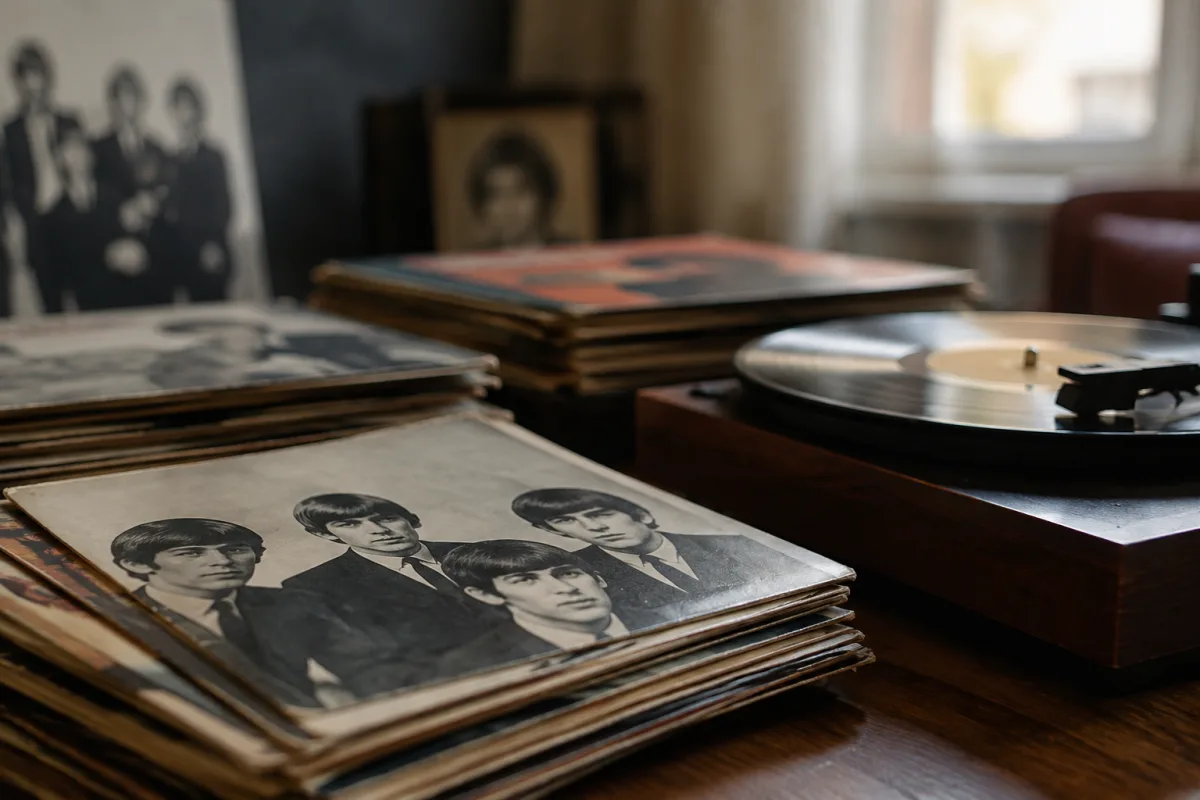
The British pop charts have shaped music history for over seven decades. Since the first charts appeared in the 1950s, the charts have documented not just commercial success but genuine cultural shifts—the moments rock and roll arrived, when The Beatles changed everything, when punk exploded, when electronic music became mainstream. Understanding British pop charts history isn't just trivia; it's reading a map of how British music evolved and influenced the world.
The Early Days: 1950s and the Birth of Pop Charts
British pop charts didn't exist until the 1950s. Before that, record sales were guesswork—record shops might report what sold well, but no systematic chart existed. The New Musical Express (NME) published the first UK singles chart in November 1952, created by counting sales reports from a handful of record shops. This rudimentary system included just 15 songs, yet it revolutionised how the industry measured success.
Those early British pop charts documented the moment rock and roll arrived on British shores. Bill Haley and His Comets' "Rock Around the Clock" sparked the first chart phenomenon—young people buying records for themselves rather than their parents choosing music for the family. The charts transformed from a music industry tool into a cultural conversation piece that teenagers argued about and obsessed over.
By the late 1950s, home-grown British artists began dominating the charts. Cliff Richard became the first real British rock star, charting consistently and establishing that British artists didn't need to sound American to succeed. The British pop charts proved that British music could compete at the highest level.
The 1960s: The British Invasion and Chart Dominance
The British pop charts of the 1960s recorded one of music's most remarkable phenomena: British artists systematically conquering global charts. The Beatles dominated from 1963 onward, but they were part of something bigger—The Rolling Stones, The Kinks, The Who, Dusty Springfield. British acts were simply better at the charts than everyone else.
The charts also recorded fragmentation. Early 1960s pop charts were relatively unified—a limited range of styles competed. By mid-decade, the British pop charts reflected enormous diversity: beat music, psychedelia, soul music, folk-rock. The Beatles themselves drove this. Each new album pushed into different territory, and the charts followed, widening the possibilities of what pop music could be.
Record Retailer magazine's charts (later absorbed into the Official Charts Company) became the authoritative British pop charts, replacing the earlier NME system. This standardisation meant the charts became genuinely reflective of national taste rather than varying based on which shops reported that week. The move toward official, centralised British pop charts coincided with the British Invasion's peak power.
The 1970s: Glam Rock, Prog Rock, and Chart Evolution
British pop charts of the 1970s reflected the decade's musical diversity more than any previous era. Glam rock arrived with David Bowie and T. Rex, dominating the charts with theatrical, androgynous pop. Progressive rock somehow competed alongside glam for chart positions despite being fundamentally opposed aesthetically. The British pop charts proved large enough for Elton John, Queen, Pink Floyd, and Slade to all thrive simultaneously.
The charts also documented the rise of soul and reggae in Britain. Marcia Griffiths, Jimmy Cliff, and Bob Marley appeared regularly in British pop charts—surprising to American observers but natural to British audiences exposed to Caribbean music through immigration and cultural exchange. British pop charts were genuinely multicultural decades before multiculturalism became a deliberate policy.
The 1970s also saw the emergence of disco in British pop charts. Unlike America where disco was regional, British charts embraced it early and completely. Donna Summer, Chic, and Giorgio Moroder dominated British pop charts because British audiences loved the music, not because record labels pushed it.
Punk, Post-Punk, and the 1980s: Chart Complexity
Punk's arrival was documented perfectly by British pop charts. The Sex Pistols' "God Save the Queen" charted despite—or perhaps because of—massive controversy. The British pop charts reflected that punk wasn't just a musical style; it was a cultural rebellion with commercial appeal. Punk acts charted consistently, proving the music industry's worst fears: young people would buy records they believed in regardless of radio promotion.
Post-punk followed, with The Clash, Joy Division, and Siouxsie and the Banshees charting regularly. British pop charts of the late 1970s and early 1980s documented this extraordinary creative period when challenge and commercial success weren't opposites.
The 1980s British pop charts were dominated by synth-pop. Depeche Mode, Duran Duran, The Human League—these weren't aberrations in the charts; they were the charts. Technology transformed pop music, and British pop charts reflected that shift within months. This period also saw the rise of hip-hop influence and the beginning of dance music's chart dominance.
The 1990s and 2000s: Britpop and Chart Shifts
Britpop was fundamentally a chart phenomenon. Oasis and Blur battled for number one spot, generating headlines and cultural commentary. The British pop charts became a spectator sport—people cared deeply which band won, treating chart positions like football league tables. This intensity proved that British pop charts still mattered culturally in ways American charts often didn't.
The rise of manufactured pop groups (Steps, S Club 7) provoked fierce debate about whether British pop charts reflected genuine artistry or marketing power. However, those groups' success in the charts was undeniable. British pop charts documented this friction between commercialism and credibility in real time.
The 2000s saw dance music and electronic pop dominating British charts in ways previous decades hadn't. The Prodigy, Chemical Brothers, and Fatboy Slim charted alongside more traditional pop. The British pop charts reflected Britain's actual musical diversity better than any previous era.
The Streaming Era and Chart Transformation
Modern British pop charts have transformed since streaming arrived. They now incorporate streams, downloads, and physical sales into a single ranking. This changes what charts measure—they capture listening rather than purchasing. A song can chart based on streaming millions of times without anyone buying a physical copy.
The charts have also become more genuinely international. American artists dominate British pop charts far more now than during the 1960s British Invasion. The charts document a globalised music industry rather than national dominance patterns.
Yet despite technological change, British pop charts remain culturally significant. Chart battles still generate headlines. New number-one records still matter. The charts still reflect what's culturally resonant, even if the measurement method has fundamentally changed.
What British Pop Charts Tell Us
British pop charts history reveals several truths about music and culture. First, the charts are genuinely democratic—when audiences embraced punk or hip-hop or electronic music, the charts shifted. The charts didn't create these movements; audiences did, and the charts documented it. Second, British audiences have always been experimental and adventurous. The dominance of unconventional artists (Bowie, Prince, Radiohead) in British charts reflects something about British culture. Third, the charts matter culturally. Chart success still means something beyond commercial success; it means cultural influence.
Conclusion
British pop charts history is music history. Reading through decades of chart positions documents exactly how British music evolved, which artists mattered, and which innovations eventually dominated. The charts weren't perfect or always right, but they documented real cultural conversations. From Bill Haley's arrival through streaming's dominance today, British pop charts have remained a genuine reflection of what audiences wanted to hear and who was making music worth listening to.



Comments