
Global Itunes Chart article
The Complete Guide to Global Itunes Chart
The iTunes global chart tracks music downloads and purchases worldwide, influencing industry decisions on promotion, radio play and artist development.
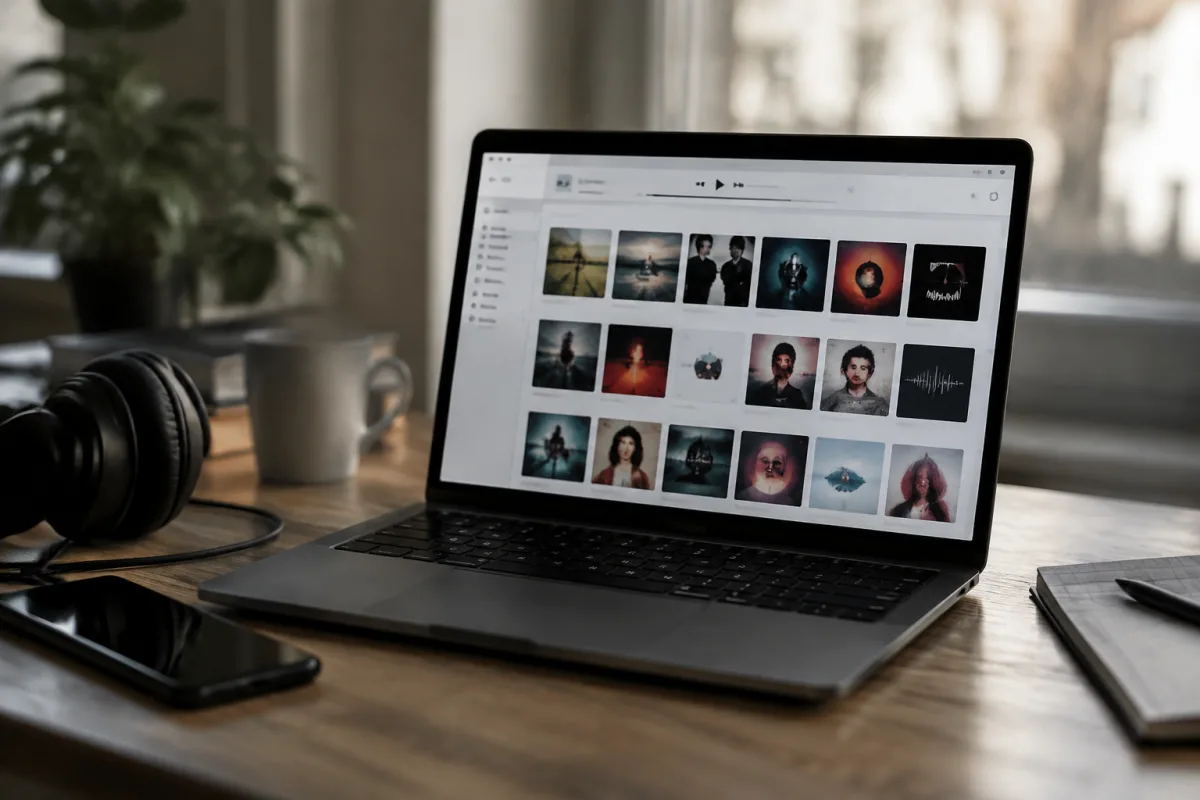
The iTunes global chart represents one of the most influential metrics for measuring music consumption across international markets. Tracking the most-downloaded and purchased songs, albums and artists worldwide, the chart influences radio playlists, promotional budgets and creative decisions throughout the music industry. Understanding how this chart operates and what it reveals about contemporary music preferences helps industry professionals and music enthusiasts grasp broader trends in digital music distribution.
Understanding the iTunes Global Chart
Apple's iTunes global chart aggregates purchasing and download data from millions of users across dozens of countries, creating a real-time snapshot of which music resonates most strongly with consumers. Unlike streaming-only metrics that measure passive listening, iTunes tracks active purchasing behaviour—artists and labels pay closer attention to purchase data because it represents genuine consumer investment.
The global ranking collates data from regional iTunes stores, weighing contributions differently based on market size and economic conditions. A number-one position on the iTunes global chart indicates a song or album has achieved truly international commercial success, breaking through local and regional preferences to achieve worldwide appeal.
Chart Mechanics and Data Collection
The iTunes platform operates multiple chart variants simultaneously. Single tracks chart independently from full albums, EPs chart separately from both, and genre-specific charts track music within rock, hip-hop, electronic and other categories. Charts update frequently—typically daily for main rankings and weekly for detailed historical analysis.
Chart positioning derives from several weighted factors. Recency receives significant emphasis; recent purchases and downloads count more heavily than older activity. Price point influences rankings indirectly: a £10 album download counts more substantially than a 99p single purchase. Geographic diversity matters significantly; a song charting across many countries ranks higher than one concentrated in a single market regardless of absolute volume.
The History of iTunes Chart Influence
Since its debut in 2003, iTunes transformed music purchasing from physical retail to digital download. Early chart dominance often predicted mainstream radio airplay and platinum certifications. Artists and producers studied chart positions obsessively, understanding that high placements translated directly to promotional opportunities, sponsorship deals and touring revenue.
The streaming revolution beginning around 2012 gradually shifted music consumption patterns. Though purchasing remained important, streaming services like Spotify and Apple Music grew to dominate overall listening volume. However, the iTunes chart retained significance because purchase data indicates committed, paying consumers—a demographic often younger, more engaged and more likely to attend concerts or purchase merchandise than casual streamers.
Global Charts vs. Regional Charts
Regional iTunes charts differ markedly from the global aggregate. A song might achieve top-ten status in multiple regional charts whilst ranking lower on the global chart, or vice versa. This dynamic reflects genuine regional differences: K-pop and J-pop artists often dominate Asian regional charts but rank lower globally, whilst Anglo-American artists frequently achieve higher global rankings despite lower regional dominance in their home markets.
| Chart Type | Geographic Scope | Update Frequency | Industry Significance |
|---|---|---|---|
| Global iTunes Chart | Aggregated worldwide data | Daily updates | Measures international commercial impact |
| Regional Charts | Individual countries or regions | Daily updates | Reflects local preferences and success |
| Genre Charts | Worldwide within genre categories | Daily updates | Measures genre-specific dominance |
| Weekly Aggregates | Global or regional | Weekly | Historical analysis and trend identification |
Commercial Implications for Artists and Labels
A strong chart position on iTunes carries real commercial benefits. Radio programmers use chart data to identify songs likely to resonate with audiences. Promoters secure festival slots partly based on chart positioning and audience reach. Streaming platforms highlight high-ranking material more prominently, creating algorithmic advantages. Marketing budgets concentrate on artists demonstrating purchasing momentum, as charts indicate which projects merit major promotional investment.
Independent artists and smaller labels view the chart as an accessible pathway to exposure. Without traditional record label infrastructure, breaking into top-ten positions on genre or regional charts demonstrates genuine audience interest and frequently attracts label interest, collaboration offers and touring opportunities.
Evolving Role in the Streaming Era
The streaming era has diminished but not eliminated the iTunes chart's importance. Today's industry professionals monitor several metrics simultaneously: streaming counts on Spotify, Apple Music and YouTube; chart positions across multiple platforms; social media engagement; and video view counts. The iTunes chart remains relevant for identifying commercially committed music consumers who represent a lucrative, engaged demographic.
Some observers contend that relying primarily on charts creates conformity, encouraging formulaic production targeting chart algorithms rather than artistic innovation. Conversely, chart success does demonstrate that an artist has achieved measurable audience connection—a meaningful accomplishment regardless of whether underlying motivations prove commercially calculated or artistically authentic.
Conclusion
The iTunes global chart endures as an important barometer of music industry trends and international commercial success. Whilst its dominance has diminished relative to streaming metrics, the chart remains influential in A&R decision-making, promotional strategy and artist development. Understanding chart mechanics and what global rankings reveal about music preferences provides insight into contemporary music industry dynamics and consumer behaviour across international markets.


Comments