
Radio 1 Album Charts article
The Complete Guide to Radio 1 Album Charts
The Radio 1 Album Charts track British album success through combined sales and streaming data, representing the definitive measure of commercial achievement in UK music.
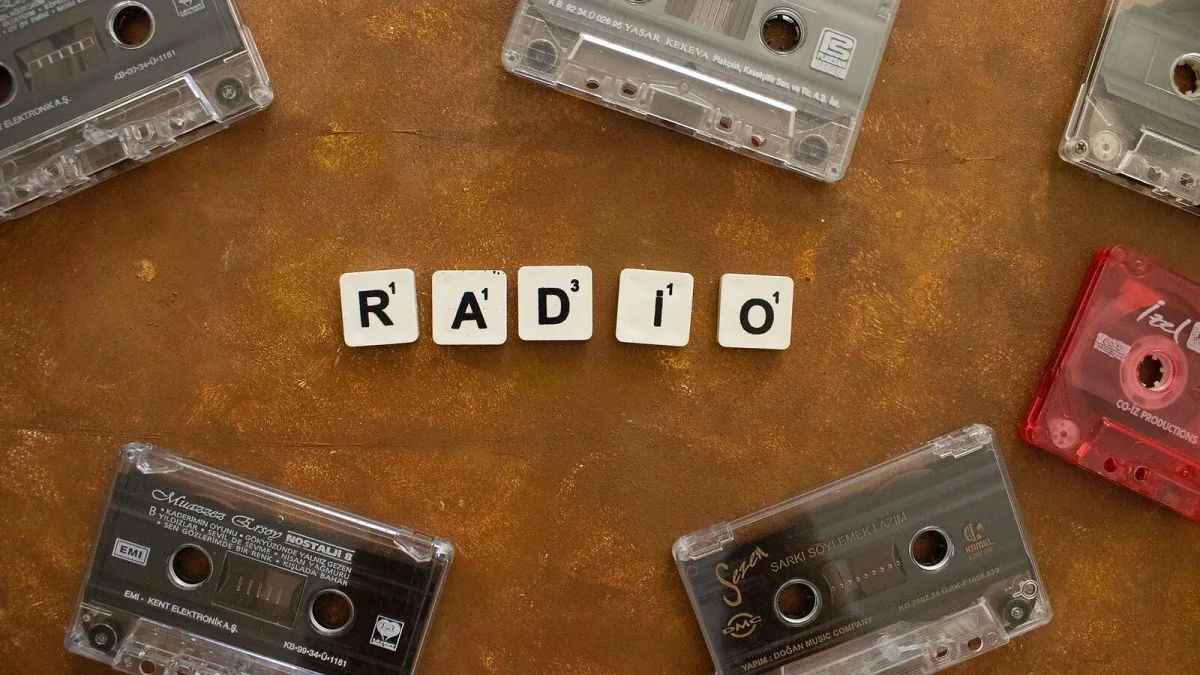
The Radio 1 Album Charts represent one of the most credible and influential measures of commercial and critical success in British popular music, tracking album performance with mathematical precision across the United Kingdom. These charts have documented musical trends, artist emergence, and cultural shifts for decades, providing the definitive weekly snapshot of which albums resonate most strongly with UK audiences. Understanding the Radio 1 Album Charts offers insight into contemporary music consumption patterns, artist career trajectories, and how commercial success translates into cultural influence. For musicians, record labels, and music industry professionals, the Radio 1 Album Charts represent the ultimate achievement threshold, with chart positions determining radio play intensity, marketing investment, and future commercial prospects.
Understanding the Radio 1 Album Charts
The Radio 1 Album Charts—officially the UK Official Charts—measure album sales combining multiple data sources into a single authoritative ranking. These charts include physical sales (CD, vinyl), digital downloads, and increasingly, streaming equivalents converted into sales metrics. The Radio 1 Album Charts employ methodology developed by the Official Charts Company, the independent organisation maintaining British chart integrity since 1952. This comprehensive approach means Radio 1 Album Charts accurately reflect consumer preferences across all purchase formats, not merely traditional retail data. Charting methodology ensures Radio 1 Album Charts remain competitive, contemporary, and resistant to manipulation—safeguards protecting chart credibility against commercial schemes attempting to artificially inflate positions. The Radio 1 Album Charts update weekly, typically announcing new rankings on Friday to coincide with new release dates and commercial strategy.
Chart Methodology and Data Collection
Calculating Radio 1 Album Charts requires sophisticated data aggregation from thousands of retail and digital music sources. Major retailers like HMV, Amazon UK, and independent record shops report physical sales data to the Official Charts Company. Digital platforms including iTunes, Spotify, Apple Music, and other streaming services contribute download and streaming data reflecting consumer preferences at scale. The Radio 1 Album Charts weighting methodology assigns specific conversion rates—typically multiple streams count as fractional sales due to their lower perceived value compared to purchased albums. This weighting system reflects market economics: a purchased album generates more revenue than fractional streaming income, yet both indicate consumer engagement and preference. Radio 1 Album Charts accuracy depends entirely on data accuracy from contributing sources; misreporting or omissions skew positions and compromise chart integrity.
Historical Significance and Evolution
The Radio 1 Album Charts trace their lineage to the earliest commercial music charts, with official UK chart tracking dating to 1952. Radio 1 Album Charts provided the first consistent measure of commercial success in pre-digital eras when retail data represented the only reliable sales information. Television and radio appearances became predicated on Radio 1 Album Charts performance, creating powerful feedback loops where chart success generated increased media exposure, driving further sales. Iconic albums climbing the Radio 1 Album Charts—The Beatles' releases, Pink Floyd's "Dark Side of the Moon," Queen's "Bohemian Rhapsody"—became cultural touchstones partly because Radio 1 Album Charts validated their commercial resonance. The Radio 1 Album Charts shaped artist careers, influenced producer investment decisions, and documented musical culture with historical precision no other measurement system achieved. This multidecade history makes Radio 1 Album Charts invaluable for music historians tracking industry evolution.
Chart Positions and Commercial Significance
| Chart Position | Commercial Significance | Typical Implications | Radio 1 Album Charts Impact |
|---|---|---|---|
| Number 1 | Massive commercial success; cultural moment | Mainstream media coverage, touring demand, premium licensing | Career-defining achievement; platform for future releases |
| Top 10 | Strong success; substantial audience reach | Significant radio play, streaming prominence, retail shelf space | Professional vindication; industry credibility boost |
| Top 40 | Commercial viability established; niche success | Playlist inclusion, critical notice, touring opportunities | Career momentum; foundation for future growth |
| Top 100 | Modest success; genre-specific audience | Limited mainstream exposure; strong fan engagement | Genre credibility; independent artist validation |
Genre Representation and Diversity
The Radio 1 Album Charts reflect contemporary musical diversity, tracking success across rock, pop, hip-hop, country, electronic, and numerous other genres simultaneously. Genre-specific Radio 1 Album Charts charts quantify performance within particular musical categories, allowing precise measurement of genre-specific success distinct from overall market dominance. This multi-genre approach means Radio 1 Album Charts document the entire British music marketplace rather than merely tracking mainstream pop success. Independent and emerging artists can achieve respectable Radio 1 Album Charts positions within genre-specific metrics, validating commercial success within niche audiences. Conversely, cross-genre albums achieving top positions demonstrate extraordinary broad appeal transcending traditional demographic and musical preference boundaries. The Radio 1 Album Charts' genre inclusivity reflects modern music consumption reality where audiences fragment across specialised genres rather than coalescing around single mainstream pathway.
Radio 1 Album Charts and Artist Success
Achievement within the Radio 1 Album Charts typically catalyses career momentum through multiple mechanisms. Chart success guarantees radio play intensity; BBC Radio 1 playlists prioritise charting albums, exponentially expanding audience reach. Successful Radio 1 Album Charts performance justifies record label investment in marketing, touring support, and promotional spending. Touring promoters and festival organisers use Radio 1 Album Charts positions when assessing booking viability and suitable performance slots. International record labels monitor Radio 1 Album Charts as indicators of British artist potential, influencing decisions about global distribution and marketing investment. Streaming algorithms on platforms like Spotify increasingly weight Radio 1 Album Charts success, creating feedback loops where chart success generates algorithmic promotion amplifying commercial reach. These interconnected mechanisms mean Radio 1 Album Charts positions translate directly into career advancement, financial opportunity, and long-term commercial prospects.
Digital Transformation and Streaming Impact
Streaming's emergence fundamentally transformed Radio 1 Album Charts dynamics, potentially democratising chart achievement by removing retail infrastructure requirements. Independent artists can accumulate streaming plays without physical distribution, generating Radio 1 Album Charts positions historically unattainable without major label backing. Conversely, streaming algorithms concentrate attention toward established artists with existing fan bases, potentially reinforcing market consolidation. The Radio 1 Album Charts methodology adjusts continuously to reflect consumer behaviour shifts—recent emphasis on streaming reflects market reality that downloaded purchases decline steadily. This evolution means historical Radio 1 Album Charts comparisons require methodological consideration; modern streaming-era charts shouldn't be directly compared to pre-2015 figures measuring fundamentally different consumption patterns. The Radio 1 Album Charts' adaptability to technological change ensures continued relevance despite dramatic industry transformation.
Contemporary Chart Trends and Patterns
Modern Radio 1 Album Charts analysis reveals fascinating consumption patterns. Album release timing clusters around Fridays, generating predictable chart cycles where new releases compete intensely whilst previous weeks' albums decline. Re-releases and catalogue albums occasionally achieve chart positions, indicating sustained interest in historical material. Collaborations and special editions receive disproportionate chart emphasis, suggesting marketing strategies leverage novelty and limited availability for chart manipulation within ethical boundaries. Streaming-driven success patterns differ from traditional retail—albums generating passionate fan engagement accumulate sustained streams, whilst albums depending on casual listeners decline sharply after initial release week. These patterns inform artist strategy; successful modern careers balance immediate Radio 1 Album Charts impact with sustained streaming engagement requiring different creative and marketing approaches.
Criticisms and Chart Integrity
Despite longstanding credibility, Radio 1 Album Charts have faced periodic integrity challenges. Bulk purchasing campaigns create artificial demand; wealthy artists or labels can inflate chart positions through coordinated buying. Streaming algorithm manipulation attempts to game Radio 1 Album Charts through artificial play generation. Independent retailers sometimes suspect bias toward major-label releases given their superior distribution infrastructure. The Official Charts Company maintains strict verification procedures protecting against manipulation, yet technological sophistication creates arms races between commercial interests and chart integrity safeguards. These ongoing tensions ensure Radio 1 Album Charts remain imperfect but credible measurements of commercial success—substantially more reliable than unverified marketing claims whilst acknowledging inherent measurement challenges.
Conclusion
The Radio 1 Album Charts represent far more than commercial measurements—they document cultural trends, validate artistic achievement, and provide historical perspective on musical evolution across decades. Whether you're tracking contemporary chart performance, researching historical music trends, or assessing commercial viability, the Radio 1 Album Charts offer authoritative insight into the music industry's most significant achievements and defining moments. These charts will continue adapting as consumption patterns evolve, yet their fundamental purpose—identifying which albums resonate most powerfully with British audiences—remains essential to understanding contemporary popular music.


Comments