
Top Ten Music Charts article
The Complete Guide to Top Ten Music Charts
Music charts shape careers and determine cultural impact. Discover how modern charts combine streaming, sales, and airplay data, and why a top ten position matters.
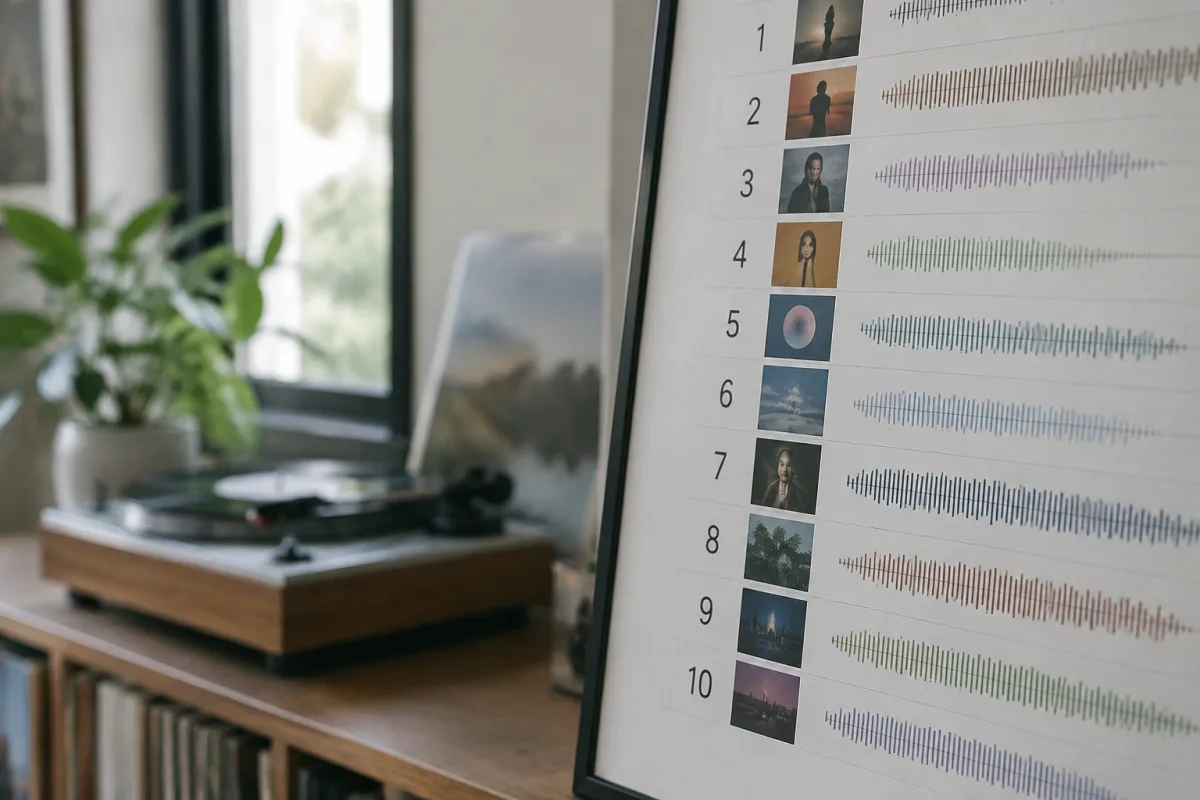
Music charts remain one of the most influential systems in the entertainment industry, shaping careers and determining which songs the public hears most. A top ten position on a major music chart signals mainstream success, boosts streaming revenue, and opens doors for touring opportunities and further recording contracts. Yet the landscape of music charts has transformed dramatically in the streaming era — from traditional radio airplay metrics to complex algorithms combining dozens of data sources. Understanding how modern charts work, what they measure, and which charts matter most helps both artists and fans navigate the music industry today.
The Purpose and Impact of Music Charts
Music charts serve as a cultural barometer and a commercial forcing function. For listeners, charts offer a trusted recommendation system — a weekly snapshot of which songs the broader public is engaging with. For artists and labels, chart position directly influences booking fees, streaming royalties, radio playlist placement, and the trajectory of a career. A single reaching number one on a major chart can launch an artist from obscurity to international recognition within weeks.
The significance of charting varies by geography. The UK Singles Chart, the Billboard Hot 100 in the United States, and the ARIA Charts in Australia carry enormous weight in their respective markets. Conversely, reaching the top ten in a niche chart (a dance-specific or country-specific chart, for example) signals success within that genre but carries less industry clout than reaching the top ten of a mainstream chart.
Chart dominance also matters contextually. Holding the number-one position for four weeks demonstrates unusual staying power and genuine mainstream appeal — rare in today's fast-moving streaming environment. A sleeper hit that climbs from position 30 to number one over many weeks tells a different story from a debut-week number one that falls quickly, suggesting organic growth versus heavy promotional investment.
Types of Music Charts and What They Measure
Modern music charts employ different methodologies, reflecting different consumer behaviours:
- Overall streaming charts. Typically combining streams from Spotify, Apple Music, YouTube Music, and other platforms. These charts dominate the industry because streaming now represents the largest source of recorded music revenue. A high position signals broad, mainstream appeal.
- Sales-based charts. Counting physical (CD, vinyl) and digital downloads. These remain relevant but represent a declining portion of total consumption, except in specific genres (country, rock) where fan loyalty and physical purchasing remain stronger.
- Radio airplay charts. Based on radio station play data from monitoring services like Nielsen. Radio charts influence touring eligibility and festival bookings even as radio's cultural influence wanes.
- Genre-specific charts. Dance, hip hop, country, rock, Latin, K-pop, and others. These charts measure success within particular communities and help breaking artists within niche genres gain visibility.
- Social media and viral charts. TikTok, YouTube, and Instagram have emerged as informal but enormously influential chart systems. A viral moment on TikTok can catapult a song to mainstream success faster than traditional radio promotion.
Major Global Music Charts
Several charts carry outsized industry influence:
| Chart | Region | Methodology | Industry Influence |
|---|---|---|---|
| Billboard Hot 100 | United States | Streams, radio airplay, digital downloads, and physical sales weighted by BillboardMetrics | Highest. A Hot 100 number one changes careers and is the industry standard for US success. |
| UK Singles Chart | United Kingdom | Streams, digital downloads, and physical sales combined by the Official Charts Company | Very high. Dominates UK industry decisions and festival/touring opportunities. |
| Spotify Global Top 50 | Global | Spotify streams only, daily update, real-time trends | High. A Spotify top ten indicates genuine international appeal across the streaming platform's 500+ million users. |
| Apple Music Chart | Global and regional | Apple Music streams combined with media and app activity | Moderate to high, particularly in developed markets where Apple Music adoption is strong. |
| TikTok Viral Chart | Global | Tracks trending on TikTok creator content, unofficial but tracked by industry observers | Rapidly increasing. A viral TikTok hit can achieve mainstream chart success within weeks. |
| ARIA Charts | Australia | Streams, downloads, and airplay weighted by ARIA | Very high in Australia; influences touring and regional success for international artists. |
The Streaming Era's Impact on Charts
Streaming has fundamentally changed chart dynamics. Before 2010, a song's chart position depended heavily on radio play and physical sales — scarce resources controlled by gatekeepers. Today, a single stream costs a fraction of a penny, making volume the primary driver. This shift has democratised success — bedroom producers and independent artists can now chart without major label backing, provided they generate sufficient streaming volume.
However, streaming has also created new challenges. Bot streams and artificial plays threaten chart integrity, forcing chart operators to implement sophisticated detection systems. Additionally, the sheer volume of releases (nearly 100,000 songs added to Spotify daily) makes breaking into top-ten charts harder than ever, despite the lower barrier to entry for independent artists.
Interpreting Chart Position in Context
A top ten position always signals success, but the type of success varies. A song entering the chart at number three on debut week (high debut) suggests massive promotional investment and core fan enthusiasm. A song climbing from position 50 to number two over twelve weeks (sleeper hit) indicates organic growth and the power of word-of-mouth. A song holding number one for eight consecutive weeks demonstrates universal, enduring appeal — increasingly rare in the rapid-fire streaming era.
Industry professionals read charts as data about consumer behaviour, not just bragging rights. For artists, fans, and labels alike, understanding what charts measure and what they don't reveals the true story of which songs are genuinely resonating with audiences.


Comments