


Microphone Reviews review
A Complete Guide to Microphone Reviews
Microphone reviews cut through marketing speak to reveal what makes each model special—from studio condensers to live stage mics. Learn how to read reviews critically and make informed purchasing decisions.
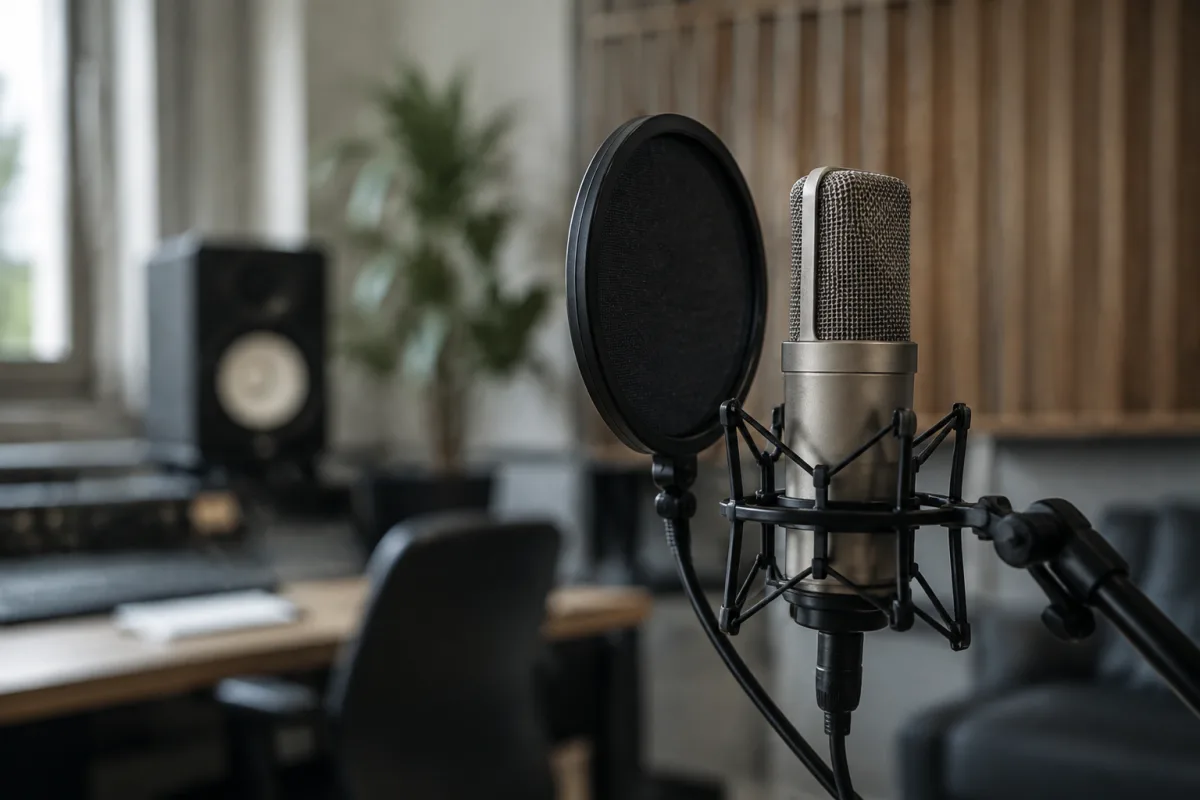
Choosing the right microphone can mean the difference between a professional recording and one that falls flat. Reading detailed analyses of available options helps musicians, podcasters, and recording engineers understand what makes each model special. Whether you're shopping for a studio condenser, a robust live stage mic, or a versatile instrument microphone, microphone reviews give you the insights you need to make an informed purchase.
Why Reviews Matter
Quality microphone reviews provide far more than just star ratings. A thoughtful review examines the technical specifications, compares sound character, evaluates build quality, and assesses real-world performance across different applications. Without such analysis, you're left comparing spec sheets and guessing whether a £500 condenser is genuinely better than a £200 alternative for your specific need.
Comprehensive microphone reviews include listening tests, frequency response analysis, and insight from experienced users—information you simply cannot find in a product brochure. This independent perspective is invaluable when you're investing significant money in recording gear.
What Good Analysis Should Include
A comprehensive microphone review covers several essential aspects:
- Sound Character: Is the response warm or bright? Detailed or smooth? Does it add colour or remain neutral?
- Frequency Response: Charts and descriptions showing how the mic handles bass, midrange and treble.
- Specifications: Sensitivity, maximum SPL, impedance, and other technical data explained clearly.
- Build Quality: Materials used, durability concerns, and how well it's designed for the intended application.
- Compatibility: What preamps, cables, and stands work best with the microphone?
- Real-World Testing: How does it perform on vocals, guitars, drums, acoustic instruments and other sources?
- Value Assessment: Is the price justified by performance, or are there better alternatives at a similar cost?
- Limitations: Honest discussion of what this microphone is not designed to do well.
Different Microphone Types and Evaluation
Different microphone categories require different evaluation criteria. A studio condenser microphone review should emphasise detail, transient response, and how it colours vocals and acoustic instruments. Live dynamic microphone reviews prioritise feedback rejection, durability under stage conditions, and off-axis rejection. Instrument microphone reviews assess how well the mic captures specific sources like snare drums, acoustic guitar or kick drums.
The best microphone reviews acknowledge these differences explicitly. They don't try to rate a stage mic using studio standards or expect an instrument mic to perform like a professional vocal condenser. A good framework recognises that different tools solve different problems.
Reading Between the Lines
Reviews vary wildly in quality and credibility. Some reviewers have decades of studio experience; others are learning as they go. Some analyses come from independent hobbyists with no commercial stakes; others are essentially advertorials masked as genuine reviews.
The best approach is to read multiple microphone reviews from different sources and look for consensus. If five independent reviewers all praise the clarity of a particular microphone in a certain application, that's meaningful data. If one reviewer adores a mic and another finds it harsh, dig into their detailed descriptions to understand where the disagreement lies—it may be that they were using different preamps, microphone techniques or source material.
Pay particular attention to reviewers who acknowledge a microphone's limitations openly. Analysis that lists only positives is suspect; a review that honestly discusses what a microphone is not designed to do is far more trustworthy.
The Role in Professional Recording
Professional recording engineers and producers rely heavily on microphone reviews when evaluating new equipment or comparing alternatives. A well-researched analysis can justify a gear purchase to a studio manager or help a freelancer decide whether a new microphone will improve their recording quality enough to warrant investment.
Microphone reviews also serve as reference material. Recording engineers frequently consult past analyses to refresh their understanding of a microphone's characteristics or to compare it with newer alternatives. This institutional knowledge—collected across hundreds of such reviews—helps the industry maintain standards and share best practices.
DIY Reviews and Community Feedback
Beyond professional reviewers, online communities generate vast amounts of analysis from users who've owned and worked with particular models over time. YouTube creators frequently post microphone reviews, demonstrating the equipment with actual vocal performances and recording examples. These grassroots analyses offer practical, user-centred perspectives that complement professional assessment.
However, individual experiences vary widely. One person's microphone review might be biased by their specific room acoustics, preamp choice, or technique. This is why reading multiple analyses—both professional and from the community—gives you a more complete picture than relying on any single source.
Key Terminology in Reviews
Understanding the language used in microphone reviews helps you extract maximum value. Terms like "presence peak" (a boost in the upper midrange that brings vocals forward), "off-axis response" (how the mic sounds when you're not singing directly at it), and "proximity effect" (bass boost when close to the source) appear frequently. Learning this vocabulary lets you understand what reviewers mean and make direct comparisons across different microphone reviews and their findings.
Comparing Price Points
Analysis is particularly valuable for comparing models at different price points. A typical question: is a £400 large-diaphragm condenser significantly better than a £150 option? Reading multiple microphone reviews at both price points helps answer this. Often, such reviews will reveal that a budget option handles certain applications excellently whilst falling short in others—information that helps you make trade-offs based on your priorities.
The Future of Reviews
Modern microphone reviews increasingly incorporate technical measurement data and frequency response graphs alongside subjective listening impressions. Some reviewers now publish standardised testing protocols, making analyses more scientifically comparable. Others use high-quality audio samples and video demonstrations, letting you hear and see the microphone in action rather than relying solely on written descriptions.
This evolution means that today's best microphone reviews are more thorough and transparent than ever, combining rigorous measurement, honest subjective assessment, and accessible communication to help you understand what you're buying.
Conclusion
Whether you're a hobbyist musician, a home recording enthusiast, or a professional studio engineer, microphone reviews are an essential resource in the purchasing process. They provide the detailed analysis, real-world testing, and honest assessment that marketing materials simply cannot offer. By learning to read such reviews critically—comparing multiple sources, understanding technical terminology, and recognising each reviewer's perspective—you'll make better purchasing decisions and avoid the costly mistake of buying the wrong microphone for your needs. Invest time in quality analysis, and you'll find gear that genuinely improves your recordings.




Comments