


Keyboard Reviews review
A Complete Guide to Keyboard Reviews
Quality keyboard reviews cut through marketing hype to reveal real-world performance, durability and value — helping you invest wisely in the right instrument.
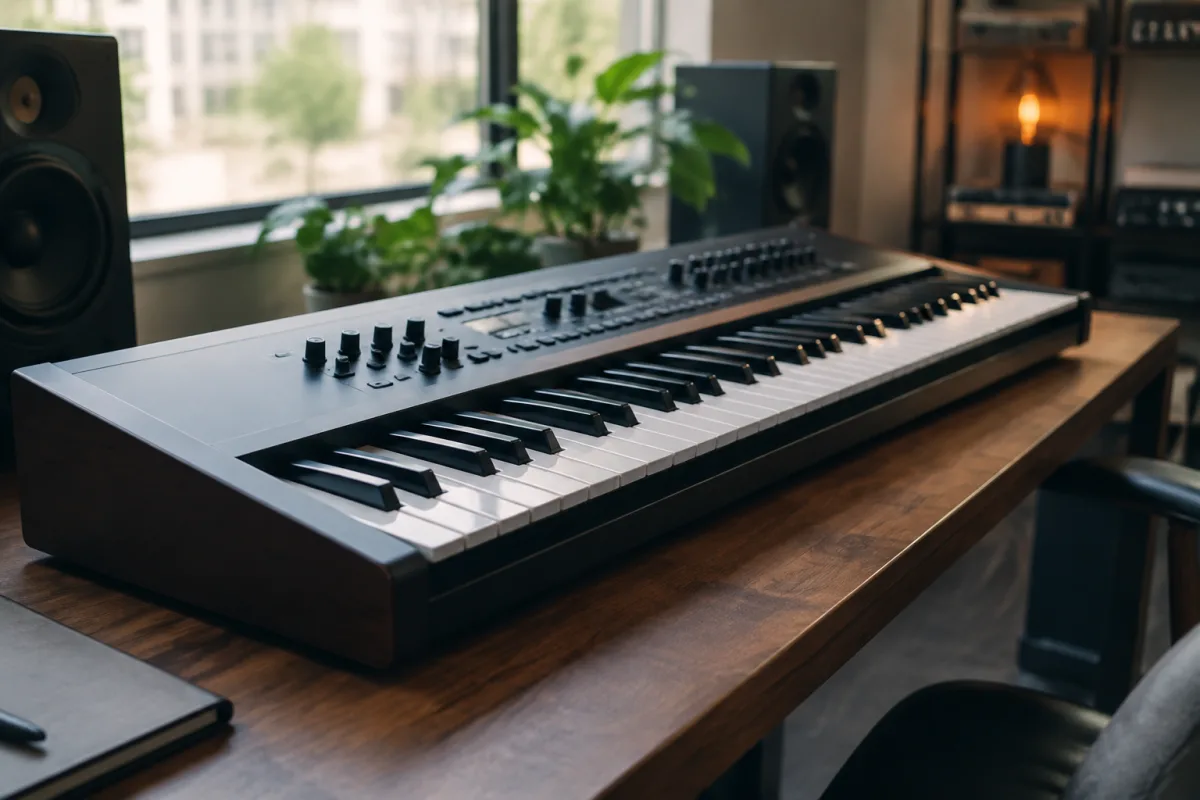
Keyboard reviews cut through the marketing noise to reveal what musical keyboards actually deliver in real-world use. Whether you're shopping for your first instrument, upgrading to professional equipment or researching stage keyboards for touring, honest reviews guide you toward the right choice. The keyboard market is vast — from compact portable synths to full-featured workstations — and knowing what reviewers value helps you make an informed decision.
Why Read Keyboard Reviews?
A quality keyboard review examines sound quality, build construction, interface usability, MIDI compatibility and value for money — factors that matter in actual use, not just on the spec sheet. Reviewers test equipment extensively, comparing it against competitors in the same price bracket and revealing practical strengths and weaknesses that a product description won't tell you.
Good reviews save you time and money by highlighting common issues (a keyboard that sounds great but has a cramped interface; another with excellent feel but unreliable software drivers), revealing hidden costs (software subscriptions, required extras) and identifying which instruments live up to their reputation.
What to Look for in Keyboard Reviews
The best keyboard reviews cover several key areas:
- Sound quality and sound engine — is the sound collection diverse and usable, or do the presets feel dated and thin?
- Keyboard action and feel — does the action respond like a real piano, or does it feel artificial and unresponsive?
- Build quality and materials — will this withstand years of use, or does something feel flimsy?
- Interface and workflow — can you navigate menus efficiently, or is it confusing and slow?
- Connectivity — does it integrate with your existing setup (USB, MIDI, audio inputs/outputs)?
- Software and drivers — are they reliable, regularly updated and compatible with your OS?
- Value proposition — is the price fair for what you get, or are you paying for brand name?
- Portability and practicality — is it gig-ready, or is it too heavy and fragile for touring?
The best reviewers explain why these factors matter — how a cheap plastic chassis affects durability, why keyboard action matters for expressive playing, why sound engine limitations might frustrate you after three months of ownership.
Different Keyboard Types Need Different Reviews
Stage pianos, synthesizers, workstations and portable keyboards serve different purposes and need to be reviewed in context. A stage piano review should emphasise sound quality, feel and reliability under gigging conditions. A synthesizer review should focus on sound-design capabilities and sound character. A workstation review should examine the breadth of sounds, sequencing power and workflow efficiency.
A review that praises a budget portable keyboard's portability but glosses over its tiny keys and cheap action might mislead someone shopping for a practice instrument. Context matters — knowing what the keyboard is designed for helps you judge whether a review is relevant to your needs.
Honest Reviews vs Marketing Hype
Some "reviews" are thinly disguised marketing copy that only praises the instrument without acknowledging any drawbacks. Every product has compromises — every keyboard makes trade-offs between sound quality and price, features and simplicity, portability and power. A review that doesn't mention any weaknesses is probably not trustworthy.
The most credible reviewers are often independent musicians and audio journalists who have no financial incentive to promote a particular brand. They're willing to criticise beloved brands and praise unexpected surprises. Look for reviews that compare against competitors, acknowledge both strengths and weaknesses, and explain the reasoning behind their conclusions.
Keyboard Sound Quality in Reviews
When a review claims a keyboard has "great sounds," dig deeper. Do those sounds work in real musical contexts, or are they generic and unusable? Do they match the quality and character of competing instruments? A review should explain whether the sound engine produces warm, organic tones or clinical, artificial ones. Does it excel at one type of music (say, vintage electric piano or modern synth bass) whilst falling short in others?
Audio samples are invaluable — hearing the keyboard in actual songs, alongside real drums and bass, reveals how it sits in a mix far better than isolated demo recordings.
Keyboard Action: What Reviewers Should Tell You
Keyboard action — the mechanical feel of the keys — dramatically affects playability and expression. A good review compares the action to real pianos or other keyboards in the price bracket, explaining whether it feels responsive and musical or artificial and sluggish. Does the aftertouch (pressure sensitivity after pressing a key) work intuitively, or is it clunky and unpredictable?
Professional pianists transitionioning to keyboards often prioritise action quality over sound collection — they'd rather have beautiful, responsive keys with modest sounds than fancy sounds with poor key feel. A good review acknowledges this trade-off.
Build Quality and Durability Concerns
A keyboard might sound beautiful and feel wonderful in the shop, but if its circuit board fails after two years or the faders develop scratches, it's not a good investment. Honest reviews discuss durability from personal experience or long-term testing. They mention common failure points (do these keyboards typically develop LCD screen issues? Do the faders get scratchy quickly?) and assess whether the warranty and support are adequate.
Metal chassis, quality potentiometers and robust connectors are signs of build quality that reviews should note. Plastic construction, cheap switches and flimsy connectivity suggest a keyboard designed for the budget segment and priced accordingly.
Price and Value in Keyboard Reviews
The best reviews place price in context. A £3,000 keyboard that lacks features available on a £1,500 competitor is overpriced. A £500 keyboard that delivers 80% of the capability of a £1,000 model is excellent value. Reviewers should explain whether you're paying for genuine capability or brand prestige.
Sometimes budget keyboards surprise with genuine capability — solid sounds, responsive action and reliable build at a bargain price. Other times, a higher-priced competitor offers significantly better value. Good reviews clarify these nuances.
Reading Multiple Reviews and Finding Patterns
No single review is gospel. The best approach is to read multiple reviews from different reviewers and look for consistent patterns. If three independent reviewers praise a keyboard's sound character but question its interface, that's likely accurate. If one review claims it's perfect whilst another calls it mediocre, dig into the differences — perhaps the reviewers value different things or have different experience levels.
Pay attention to reviewer credentials and context. A review by a stage pianist carries more weight for stage piano reviews than a review by a synth specialist. A review published by a manufacturer probably carries less weight than one from an independent journalist with no financial ties.
Building Your Own Keyboard Opinion
Reviews are a starting point, not the final word. If a keyboard interests you, seek out demos, watch performance videos and ideally try one in person. A shop visit where you can play a keyboard for 20 minutes reveals practical usability that no review can fully capture. Your hand size, playing style and personal preferences matter — what works brilliantly for a professional touring musician might not suit your bedroom setup.
Keyboard reviews guide your research and narrow your options, but your own hands and ears are the ultimate judges. Use reviews to identify candidates worthy of deeper investigation, then trust your own experience.
Reading thoughtful, honest keyboard reviews prevents costly mistakes and helps you find an instrument that genuinely serves your music. Whether you're a curious beginner, an upgrading hobbyist or a touring professional, knowing how to read reviews between the lines and spot credible opinions separates wise investments from buyer's remorse.





Comments