
Tango article
The Complete Guide to Tango
Discover tango: one of the world's most seductive music genres and dances, born from urban Buenos Aires struggle and now celebrated as art.
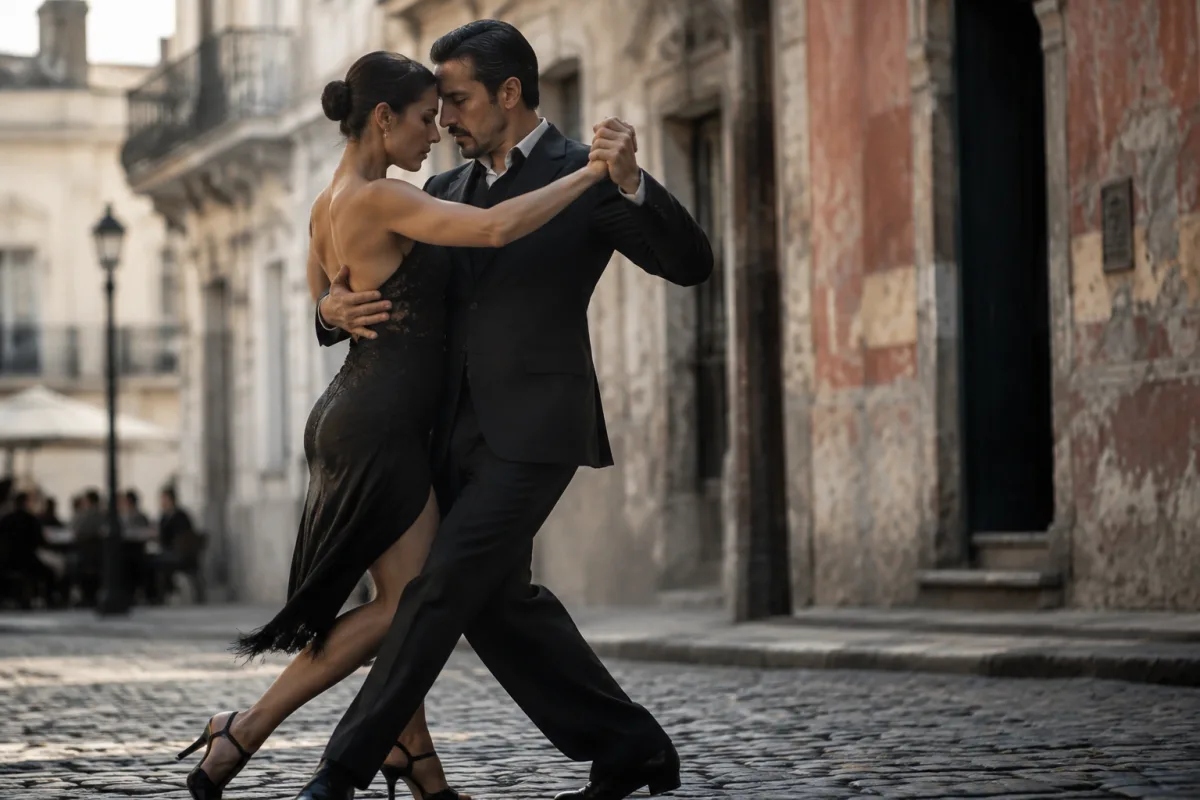
Tango is one of the world's most seductive and expressive music genres, born in the working-class neighbourhoods of Buenos Aires in the late 19th century and now celebrated globally as a pinnacle of artistic expression. Whether you're drawn to the music's intricate rhythms, the passion of its lyrics or the athleticism of tango dance, understanding this genre's origins, evolution and character provides insight into one of humanity's most compelling artistic forms.
Origins and History of Tango
This music emerged around the 1880s in Buenos Aires and Montevideo, Uruguay, from a synthesis of European, African and indigenous musical traditions. Immigrants—European, African, and others—arrived in rapidly urbanising cities. Their musical traditions merged, creating something entirely new: a sound that captured urban longing, melancholy and passionate intensity. Tango emerged from this creative convergence of cultures.
Early tango was raw and unrefined, played in brothels and dance halls by musicians often lacking formal training. This lowborn reputation meant respectability took decades to achieve. By the 1920s-1930s, tango had spread to Europe and Paris salons; the music that once scandalised polite society became fashionable amongst the wealthy and sophisticated.
Musical Characteristics and Instrumentation
The genre is defined by distinctive rhythmic and harmonic characteristics. Tango typically employs a 2/4 or 4/4 time signature with characteristically syncopated rhythm that feels simultaneously structured and improvisational. The bandoneón—an accordion-like instrument with buttons instead of keys—became the defining voice of tango, though pianos, violins and bass also contribute essential colour.
Harmonically, it relies on chromatic movement, minor key phrases and emotional shifts that create a sense of yearning. Melodies are often angular, moving in unexpected intervals that feel both beautiful and slightly unsettling—perfectly capturing the emotional territory of passion, loss and longing that defines the music.
Lyrics and Themes
Lyrics, called letras, typically explore heartbreak, betrayal, lost love, urban struggle and the human condition. The genre developed a particular poetic tradition: working-class experience elevated to art through metaphor, wordplay and sophisticated storytelling. Early tango lyrics often employed lunfardo, a slang dialect of Buenos Aires, giving the music authentic local character.
The greatest lyricists—figures like Enrique Santos Discépolo—crafted deeply philosophical work, transforming nightclub music into literature of genuine sophistication. This marriage of raw emotion and poetic craft remains fundamental to tango's power.
The Dance
The accompanying tango dance is equally expressive and complex. The embrace between partners is close and intense. Movement involves sharp, staccato steps alternating with flowing, lyrical passages. The leader guides but the follower must remain responsive, interpreting subtle signals through the embrace. Improvisation within learned patterns is central; no two performances are identical.
The dance reflects the music's character: structured yet emotionally open, technically demanding yet deeply human. Watching accomplished dancers perform tango reveals both athletic and artistic dimensions simultaneously.
Evolution and Modern Forms
The music has evolved considerably since its origins. Carlos Gardel, an early superstar, brought it to film and international audiences. The orchestras of the golden age (1920s-1950s) developed sophisticated tango arrangements. Later innovators like Astor Piazzolla revolutionised the genre in the 1950s-1960s, incorporating jazz, classical and experimental elements, creating "Nuevo Tango" that expanded its possibilities.
Modern forms encompass traditional tango styles alongside contemporary interpretations. Piazzolla's influence demonstrated that honouring its roots and pushing boundaries need not be mutually exclusive.
Global Impact
Today, tango is celebrated internationally. Orchestras and dancers tour globally. The genre influences film, theatre and contemporary music. Festivals occur worldwide, drawing performers from every continent. What began in humble Buenos Aires brothels has become a globally recognised art form representing passion, sophistication and emotional depth.
Conclusion
Tango endures because it speaks to universal human emotions through a distinctly Argentine artistic lens. The music, dance and lyrics together create a complete artistic form that engages intellect and emotion simultaneously. Whether experienced through listening to a classic Carlos Gardel recording, watching dancers perform, or dancing yourself, tango offers encounter with one of human culture's great artistic achievements—born from struggle yet ultimately transcending its origins to speak to everyone.



Comments