


Mesa Boogie article
The Complete Guide to Mesa Boogie
Mesa Boogie amplifiers represent fifty years of tube amplification excellence, combining meticulous craftsmanship with tonal character that defines professional guitar sound.
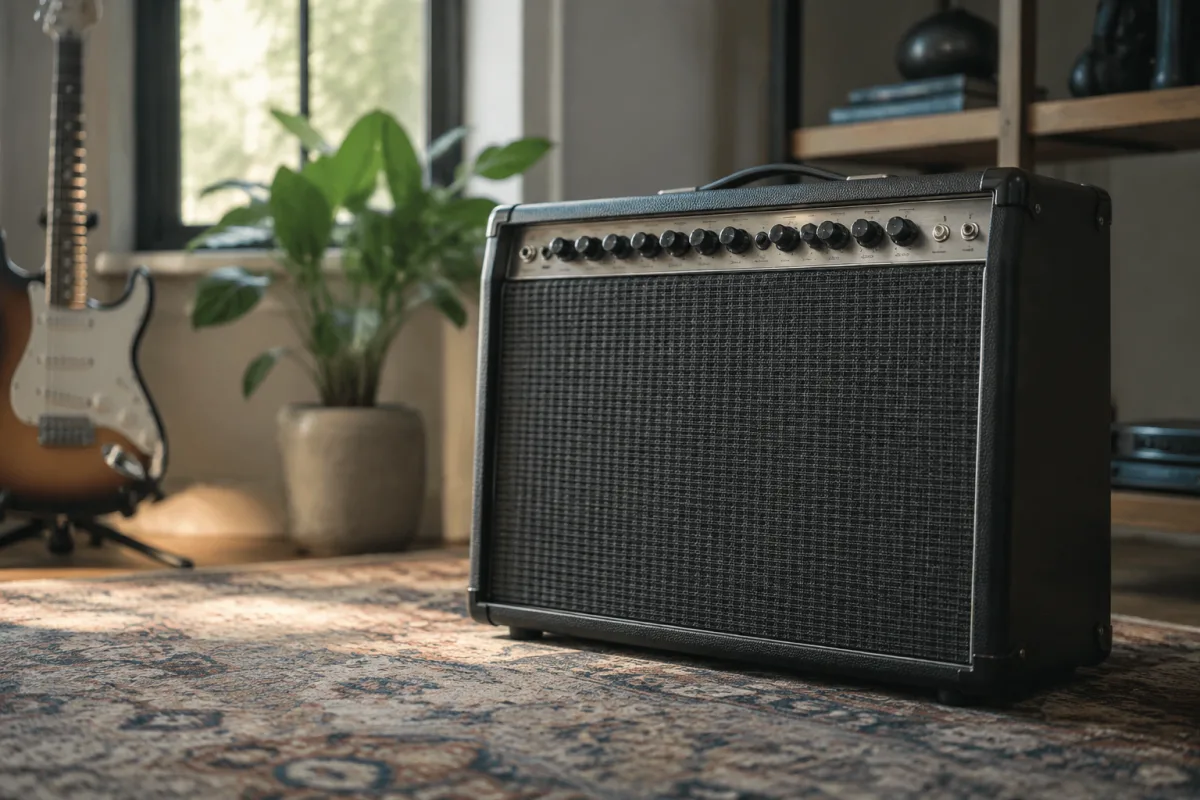
Mesa Boogie Amplifiers: The Tone That Defined Modern Rock
Mesa Boogie stands as one of the world's most respected amplifier manufacturers, having spent fifty years crafting instruments whose combination of tonal character, build quality and reliability has established them as the preferred choice of countless professional musicians. From the company's early days modifying Fender amplifiers to contemporary designs offering remarkable versatility, Mesa Boogie amplifiers have been the voice behind some of rock and metal's most compelling recordings and performances. Whether you're seeking the warm, natural breakup of tube-driven tone, the creative possibilities of multiple channels, or equipment capable of withstanding years of touring rigours, Mesa Boogie's diverse lineup deserves serious investigation.
The Mesa Boogie Heritage
Mesa Boogie emerged from founder Randall Smith's passion for achieving superior guitar amplifier tone. The company began in the 1960s modifying existing amplifiers, gradually developing proprietary designs that revolutionised how guitarists approached tone. The Boogie Mark I, introduced in 1971, established the template for modern tube amplifiers—combining carefully voiced EQ, multiple gain stages and meticulous component quality to deliver tone previously unavailable from production amplifiers.
The company's philosophy centres on authenticity. Mesa Boogie embraces tube amplification, investing in quality components that interact musically rather than merely amplifying signal. This approach rejects the trend toward solid-state efficiency in favour of the organic responsiveness and harmonic richness inherent to tube designs. Decades of sustained professional respect validate this philosophy.
Tube Technology and Tonal Philosophy
Mesa Boogie amplifiers employ carefully selected vacuum tubes, the heart of the instrument's tonal character. Unlike solid-state alternatives offering predictable, clinical amplification, tubes interact dynamically with the input signal. Harder playing produces more aggressive breakup; softer picking yields cleaner, more refined tones. This touch-sensitivity creates expressive possibilities digital simulations struggle to replicate.
The company's circuit design prioritises harmonic richness. Rather than pursuing maximum wattage or output, Mesa engineers optimise the interaction between preamp and power amp tubes, creating tone that responds naturally to playing technique. This commitment to musicality over specification sheets distinguishes Mesa from competitors prioritising raw power and headline-grabbing features.
Model Range and Application Variety
Mesa Boogie produces amplifiers addressing diverse musical contexts and performance scales. The Lone Star series delivers moderate wattage (23–51 watts) with stellar tone, ideal for players prioritising tone over stadium volume. The Roadster combines versatility with professional-level features, offering switchable amp channels enabling tonal variety from a single instrument. Triple Recto models deliver aggressive, high-gain character perfect for metal and hard rock contexts.
Smaller combo amplifiers suit bedroom players and rehearsal spaces. Professional-grade head-and-cabinet configurations serve touring musicians and studio applications demanding maximum flexibility. Boutique custom shop options provide bespoke amplifiers tailored to individual requirements, reflecting Mesa's commitment to serving diverse player needs across the skill spectrum.
Build Quality and Component Selection
Mesa Boogie amplifiers employ premium materials and meticulous assembly throughout. Transformers are specially wound for optimal frequency response. Power tubes are carefully selected and tested for consistency. Point-to-point wiring—soldering components directly to circuit boards rather than using mass-production techniques—ensures reliability and facilitates maintenance.
This manufacturing commitment justifies premium pricing. A Mesa Boogie amplifier often outlasts multiple generations of budget alternatives, maintaining consistent tone and reliability under intensive use. Professional touring musicians frequently employ decade-old Mesa amplifiers as primary instruments, testament to construction quality and long-term durability.
Channel Switching and Versatility
Contemporary Mesa designs feature multiple channels enabling dramatic tonal variation without requiring pedal switching or second amplifiers. A single amplifier can transition from clean, headroom-rich tones suitable for jazz or funk contexts to aggressive, saturated distortion ideal for metal rhythms. This versatility appeals particularly to musicians requiring multiple tonal voices within single performance contexts.
Channel switching typically occurs via foot pedal, enabling seamless transitions during performance. Some models offer sophisticated channel configuration options, allowing deep customisation of gain structure and EQ across different channels. This flexibility serves composers and experimental musicians seeking tonal palette expansion.
Clean vs Overdriven Tone
Mesa amplifiers excel equally in clean and overdriven contexts. The clean channel delivers surprising headroom and dynamic response—overdriving only when the playing demands it. This natural cleanliness appeals to players seeking transparency and feel in their signal chain. Conversely, the overdriven channels respond beautifully to playing dynamics, rewarding both aggressive picking and nuanced fingerstyle approaches.
Many players specifically favour Mesa for the overdriven tone—rich, harmonically complex saturation that maintains note clarity and definition even with high gain settings. This character proves particularly valued in metal and hard rock applications, where other amplifiers sometimes produce murky, indistinct distortion.
Headroom and Wattage Considerations
Mesa produces amplifiers across a wide wattage range. Low-wattage models (23 watts) deliver natural tube breakup at reasonable volumes, ideal for home players and small venues. Mid-wattage instruments (50 watts) balance studio and small-venue flexibility. Professional touring models (100+ watts) provide sufficient headroom for stadium contexts whilst maintaining sonic character at moderate settings.
The relationship between wattage and perceived volume often surprises players accustomed to solid-state specifications. A 50-watt tube amplifier typically achieves equivalent perceived volume to much higher-wattage solid-state models because tube dynamics engage the ear differently than solid-state amplification.
Effects Integration and Signal Routing
Mesa Boogie amplifiers typically incorporate effects loops enabling seamless integration with external effects processors. This architecture proves essential for contemporary players employing digital effects alongside tube amplifier tonality. Properly implemented effects loops maintain the amplifier's voice whilst allowing creative signal processing.
Professional models often feature multiple output options, impedance selection and cabinet simulation technology—features catering to studio musicians requiring diverse connectivity options. These professional touches demonstrate Mesa's commitment to addressing real-world application demands.
Investment and Resale Value
Mesa Boogie amplifiers command premium pricing, typically ranging from £1,500 to £4,000+ depending on model and specifications. This investment reflects manufacturing quality, component costs and the company's sustained reputation. However, used Mesa amplifiers frequently retain 60–75 percent of original pricing in secondary markets, making them economical investments for serious players planning extended ownership.
The brand's professional respect ensures solid resale value. Unlike budget alternatives that depreciate dramatically, Mesa amplifiers retain appeal among discerning players valuing reliability and tone. Many musicians view Mesa investments as career tools rather than disposable purchases.
Common Player Profiles
Professional touring musicians constitute Mesa's core clientele—the amplifier's reliability and tonal consistency justify investment for career-dependent players. Studio musicians favour Mesa for recording versatility and tone reproduction. Experienced hobbyists often invest in Mesa to support extended playing exploration. Even some bedroom players justify Mesa investment for the superior tone and long-term satisfaction.
Your Next Mesa Boogie Amplifier
Investing in Mesa Boogie represents commitment to quality and long-term musical partnership. The diverse model range ensures appropriate options for different performance contexts and budgets. Testing extended playing periods with different models reveals which Mesa design best complements your playing style, musical preferences and practical requirements. For players prioritising tone, reliability and creative expression, Mesa Boogie rewards investment through years of musical excellence.





Comments