
Bollywood Music article
The Complete Guide to Bollywood Music
Bollywood music is far more than background accompaniment—it is the beating heart of Indian popular culture and one of the world's most influential film music traditions.
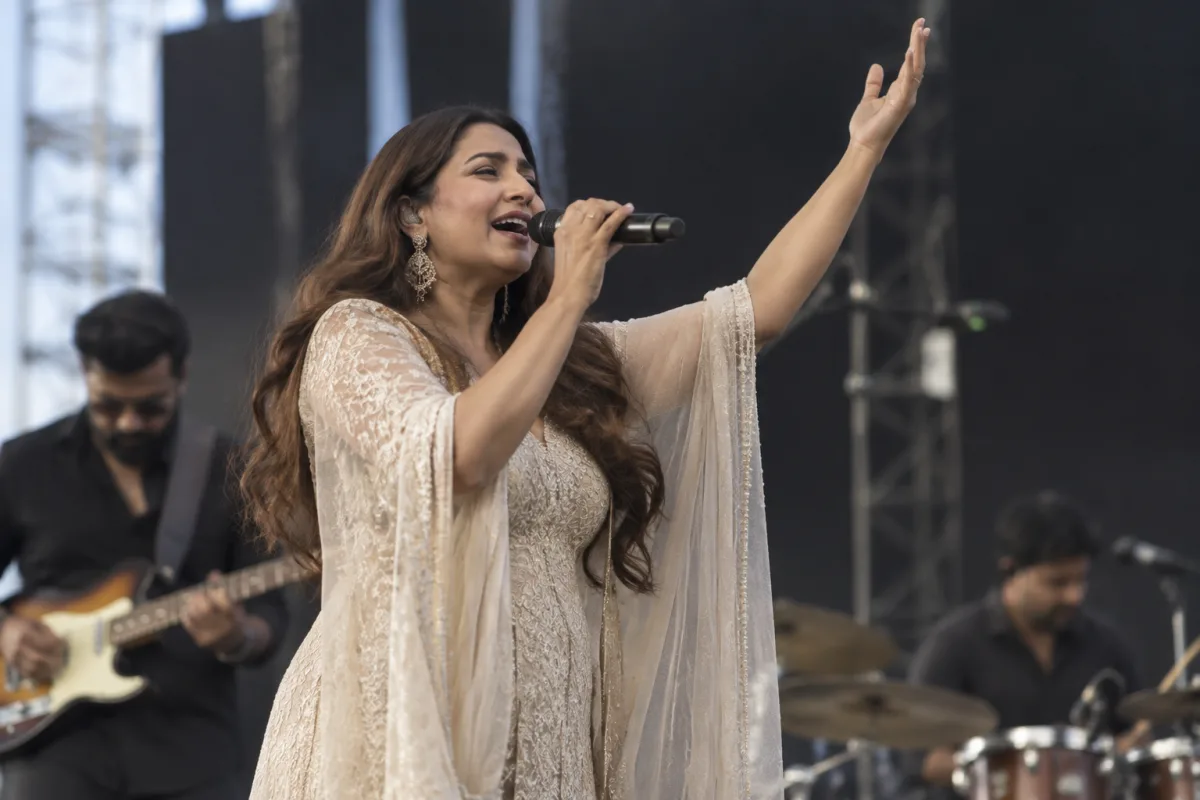
Bollywood music is far more than background accompaniment to Hindi films — it is the beating heart of Indian popular culture and one of the world's most influential film music traditions. With its intoxicating blend of classical Indian traditions, folk rhythms and modern pop sensibilities, Bollywood music has shaped listening habits across South Asia and inspired musicians globally.
What Is Bollywood Music?
Bollywood music refers to the songs composed for Hindi-language films produced in Mumbai, India's largest film industry. The term "Bollywood" itself is a portmanteau of "Bombay" (Mumbai's former name) and "Hollywood". Unlike Western films where music often provides subtle underscore, Bollywood music is central to storytelling, with films typically featuring five to seven full production numbers. These songs become independent hits, released months before the film itself and enjoyed on radio, streaming services and at live events.
The Evolution of Bollywood Music
Bollywood music emerged in the 1930s as a distinctive sound. The earliest film music borrowed heavily from theatre traditions and classical vocal styles, but by the 1940s and 1950s, composers began fusing these with swing, jazz and European orchestral influences. This early period saw the rise of legendary singers like Noor Jehan and Mohammed Rafi, whose voices defined an entire generation of films.
The 1960s and 1970s marked Bollywood's golden age, when composer-lyricist teams like Shankar-Jaikishan, S.D. Burman and Kalyanji-Anandji achieved unprecedented creative heights. During this era, Bollywood music established itself as a distinct global phenomenon. By the 1980s and 1990s, synthesisers and electronic instrumentation entered the mix, and films began exploring Western pop and hip-hop influences more openly, creating a modern sound that retained Indian soul.
Musical Characteristics of Bollywood
Several musical elements define the Bollywood sound:
- Raag foundations: Most Bollywood songs incorporate elements of Indian classical raags—melodic frameworks that guide improvisation and emotional expression. This gives the music a distinctive harmonic character distinct from Western pop.
- Rhythmic complexity: Bollywood employs intricate rhythmic patterns (taals) derived from Indian classical music, particularly in drum programming and percussion arrangements.
- Vocal ornamentation: Singers use grace notes, slides and embellishments characteristic of Indian classical singing, even in modern pop-styled songs.
- Orchestral depth: Bollywood producers favour lush orchestral arrangements blending traditional Indian instruments (sitar, sarangi, bansuri flute) with Western strings, brass and synths.
- Lyrical poetry: Bollywood lyrics are typically written in Urdu or Hindi and employ flowery, metaphorical language rooted in classical poetry traditions.
Key Eras and Influential Composers
| Era | Primary Influences | Notable Composers |
|---|---|---|
| 1940s–1950s (Classical Era) | Indian classical, theatre, early Western orchestration | Naushad, Anil Biswas, S.D. Burman |
| 1960s–1970s (Golden Age) | Raag-based composition, jazz harmonies, folk fusion | Shankar-Jaikishan, Kalyanji-Anandji, R.D. Burman |
| 1980s–1990s (Modern Pop) | Synthesisers, disco, Western pop structures | A.R. Rahman, Anu Malik, Jatin-Lalit |
| 2000s–Present (Contemporary) | Hip-hop, EDM, digital production, indie influences | Vishal-Shekhar, Pritam, Sneha Khanwalkar |
Genre Types Within Bollywood
Modern Bollywood music encompasses several distinct styles. Romantic songs (love ballads) remain perennially popular and often feature passionate vocal delivery over lush strings. Item numbers are high-energy, dance-focused tracks designed to showcase choreography and are often the most commercially successful songs. Devotional songs draw from religious and spiritual traditions, whilst folk-fusion numbers incorporate regional Indian music styles. Sad, introspective songs (called "sad songs" or featuring pathos) drive emotional narrative moments, and upbeat, comedic songs provide levity.
The Role of Singers and Playback Tradition
A unique feature of Bollywood is playback singing. Actors lip-sync to pre-recorded vocals by professional playback singers. This tradition allows films to employ world-class singers without requiring actors to have perfect vocal abilities, and it elevates singing to a revered art form. Legendary playback singers like Lata Mangeshkar, Asha Parekh and Mukesh are household names across India, often more famous than the actors they sang for. Modern playback singers like Shreya Ghoshal, Arijit Singh and Badshah continue this tradition whilst experimenting with contemporary styles.
Bollywood's Global Influence
Bollywood music has transcended its origins to influence music worldwide. The success of films like "Slumdog Millionaire" (featuring A.R. Rahman's Oscar-winning score) brought Bollywood sensibilities to international audiences. Contemporary producers, particularly in hip-hop and electronic music, have sampled Bollywood vocals and incorporated Indian instrumentation. The genre has found enthusiastic audiences in diaspora communities across North America, the United Kingdom, and the Middle East, and streaming platforms have made Bollywood music accessible globally in unprecedented ways.
How to Listen to Bollywood Music
The best entry point depends on your taste. For classical-influenced works, explore the golden-age composers like Naushad and Shankar-Jaikishan. If modern production appeals to you, A.R. Rahman's albums blend Indian elements with contemporary sensibilities. For current trends, curated playlists on streaming services showcase today's top Bollywood music. Listening to complete film soundtracks rather than individual songs offers the richest experience, as producers craft albums as coherent artistic statements.
Conclusion
Bollywood music represents a remarkable synthesis of ancient classical traditions and modern global influences. Its sophistication lies not in simplicity but in the complex layering of raag-based melody, intricate rhythm and emotional depth. Whether you approach it through vintage classics or contemporary chart-toppers, Bollywood music offers a window into Indian culture and proves that film music, when executed at this level, stands as a legitimate and compelling art form in its own right.


Comments