
Northern Soul article
The Complete Guide to Northern Soul
Northern Soul emerged from Northern England's dance floors, becoming a cultural phenomenon defined by passionate enthusiasm for obscure American soul records and devoted subcultural identity.
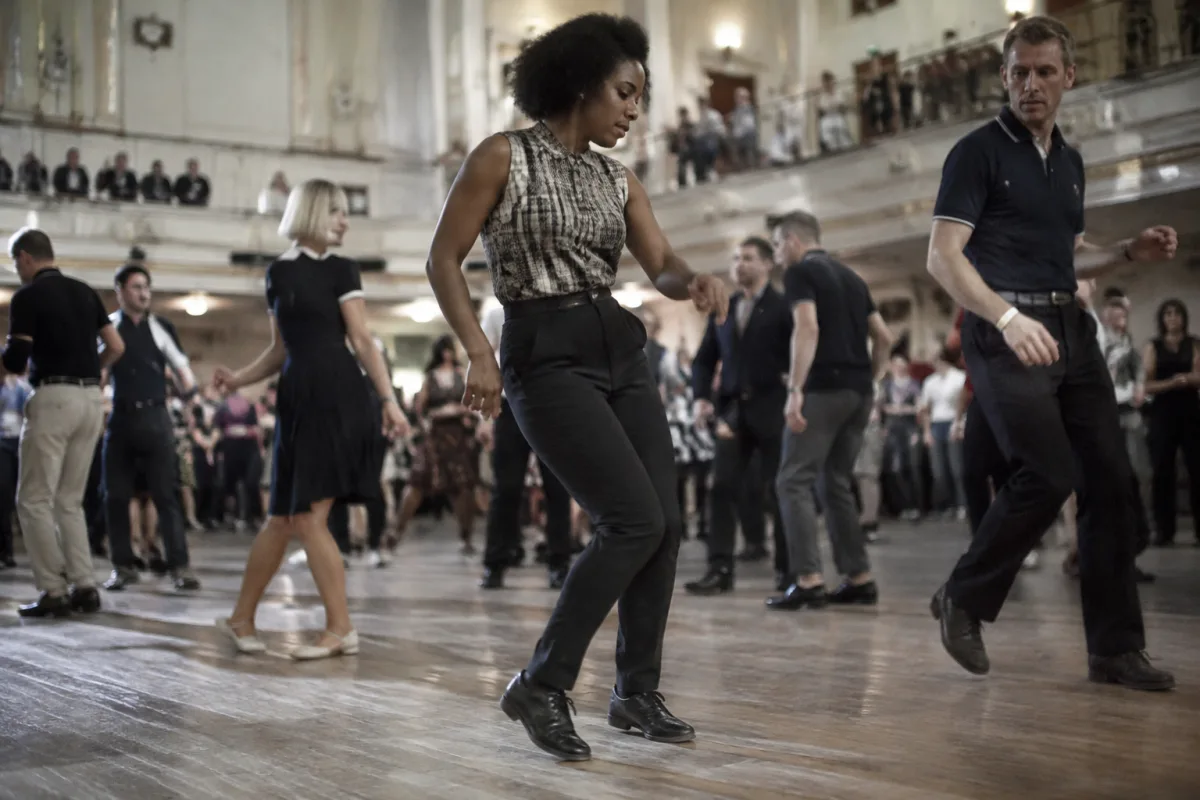
Northern Soul emerged from the damp dance floors of Northern England during the late 1960s, becoming a cultural phenomenon that shaped British youth culture and influenced global music for generations. This enthusiastic, energetic genre represents one of the most dedicated and passionate fan communities in popular music.
Origins and Development
Northern Soul began when British DJs and enthusiasts discovered obscure American soul records—particularly rare 45s from small independent labels largely ignored in their native United States. Young British dancers and collectors sought ever-rarer, faster-paced soul records that could keep pace with increasingly athletic dance styles emerging in Northern clubs during the late 1960s and early 1970s.
The movement thrived partly through necessity. American soul music was culturally dominant in the UK, but mainstream DJs played familiar hits. Northern enthusiasts pursued unknown deep cuts—B-sides, regional releases, and forgotten catalogue entries. The scarcity created collector culture; finding a particularly rare or high-quality soul record conferred status within the community.
Key Venues and Culture
The Wigan Casino (opened 1973) became Northern's spiritual headquarters, though clubs like the Blackpool Mecca and Manchester's Twisted Wheel had nurtured the scene earlier. The Wigan Casino's Saturday all-nighters became legendary—thousands of dancers converging on a converted cinema to dance continuously from 10pm to 7am, fuelled by camaraderie, amphetamines, and relentless soul music.
The aesthetic evolved into distinctive fashion: tight jeans, Ben Sherman shirts, distinctive haircuts, and later Adidas trainers. The fashion connected directly to the music—energetic, youth-oriented, deliberately non-conformist. Today, retro Northern fashion continues influencing British street style.
Musical Characteristics
Northern Soul favours uptempo soul records (typically 125–135 BPM), featuring rhythmic precision, clever arrangements, and energetic vocal performances. The preference leans toward funky, groove-oriented soul rather than romantic ballads—music that literally demands dance response. Orchestral arrangements, punchy horns, and intricate percussion define the sound.
The sonic aesthetic values clarity and punch. Favourite records often feature tight rhythm sections, prominent basslines, and production that cuts through dance floor noise. The preference for specific soul records created collector specialisation; dedicated followers knew obscure artists and labels with encyclopaedic precision.
Influential Artists and Records
Key soul artists featured on Northern setlists include James Carr, Doris Duke, Dean Parrish, Ty Karim, and countless one-hit wonders and session singers from American independent labels. Particular records achieved legendary status through obsessive club rotation. "Love on a Two-Way Street" by Starbuck, "It Must Be Love" by Anita Wilson, and "Ride On By" by Isaac Hayes—though Hayes became famous later—exemplified the discovery ethic.
Many Northern Soul records remained obscure even within American music history. Finding a previously unknown soul record that worked perfectly on the Northern dance floor conferred discovery status and collector prestige.
The Global Influence
Northern Soul influenced contemporary music culture globally. The enthusiastic devotion to deep-cut soul records established collector culture paradigms later adopted by crate-digging hip-hop producers, jazz revivalists, and electronic musicians. The aesthetic—seeking overlooked catalogue entries, valuing scarcity and authenticity—became culturally embedded.
The music itself influenced funk, disco, and later electronic dance music. DJs from worldwide club scenes drew inspiration from Northern's intensity and community dedication. The movement demonstrated that youth culture could revolve around non-mainstream music pursued with passionate intensity.
Fashion and Identity
Fashion became inseparable from Northern identity. The sharp, athletic aesthetic reflected the music's energy and the scene's working-class origins. Adidas trainers became iconic—particularly Adidas GT trainers associated with terrace culture—creating unexpected links between music fans and football supporters, both sharing aesthetic codes and territorial identities.
The distinctive look served social functions: it identified community members, signalled subcultural commitment, and created visual distinction from mainstream youth culture. Modern Northern revival events still emphasize period-authentic fashion.
The Decline and Revival
The Wigan Casino closed in 1981, marking the original scene's contraction. However, Northern Soul never truly disappeared. Revival clubs opened periodically; collector enthusiasm never wavered. The 21st century has witnessed renewed interest, with festivals, clubs, and young enthusiasts discovering the music's vitality.
Modern Northern revivals demonstrate the music's enduring appeal. New generations discover soul records with the same passionate intensity original fans exhibited. Contemporary DJs continue searching for previously unknown soul recordings, maintaining the crate-digging tradition.
Records and Discographies
Building a Northern Soul record collection demands research, patience, and financial investment. Original releases command premium prices; reissues and compilations offer affordable entry points. The Goldmine magazine, dedicated Northern publications, and online communities guide contemporary collectors through the vast, often obscure catalogue.
Particular soul artists—though minor in commercial terms—have achieved cultish collector status. Ty Karim, for instance, recorded relatively few tracks but achieved legendary status within Northern circles, his records becoming significantly valuable.
Dance and Performance
Northern Soul dancing established distinctive styles emphasizing energetic, athletic movement. The "Northern Soul dance" involves rapid footwork, spins, and acrobatic moves—a physical conversation between the dancer's body and the music's rhythmic intensity. Modern Northern clubs maintain these traditions; dancers still demonstrate complex footwork and moves requiring genuine skill development.
The physical intensity distinguished Northern dancing from other contemporary youth movements. The athleticism reflected the music's relentless energy and the community's dedication to genuine dance culture.
Record Labels and Reissues
Numerous labels have specialised in reissuing Northern Soul material. Outta Sight Records, Numero Group, and others track down original recordings, license them, and make them accessible to new audiences. These reissues preserve cultural history whilst allowing contemporary listeners to experience the music's originality and vitality.
Contemporary Scene
Northern Soul clubs, festivals, and events continue thriving across Britain. Annual events like the Wigan Festival and numerous club nights maintain traditions whilst attracting younger participants. The passionate devotion to deep-cut soul music persists; record collecting communities remain active and engaged.
Conclusion
Northern Soul represents a defining moment in British youth culture, demonstrating how music's marginalised catalogue entries could become the foundation for intense community identity. The movement's emphasis on passionate enthusiasm, collector culture, and subcultural dedication influenced subsequent music movements worldwide. Today, Northern Soul endures as living tradition—testament to the transformative power of energetic soul music and dedicated fan communities.


Comments