
Grunge Rock Artists article
The Complete Guide to Grunge Rock Artists
Grunge rock artists transformed music in the early 1990s. Discover the legendary bands, their influences, instrumentation and lasting cultural impact.
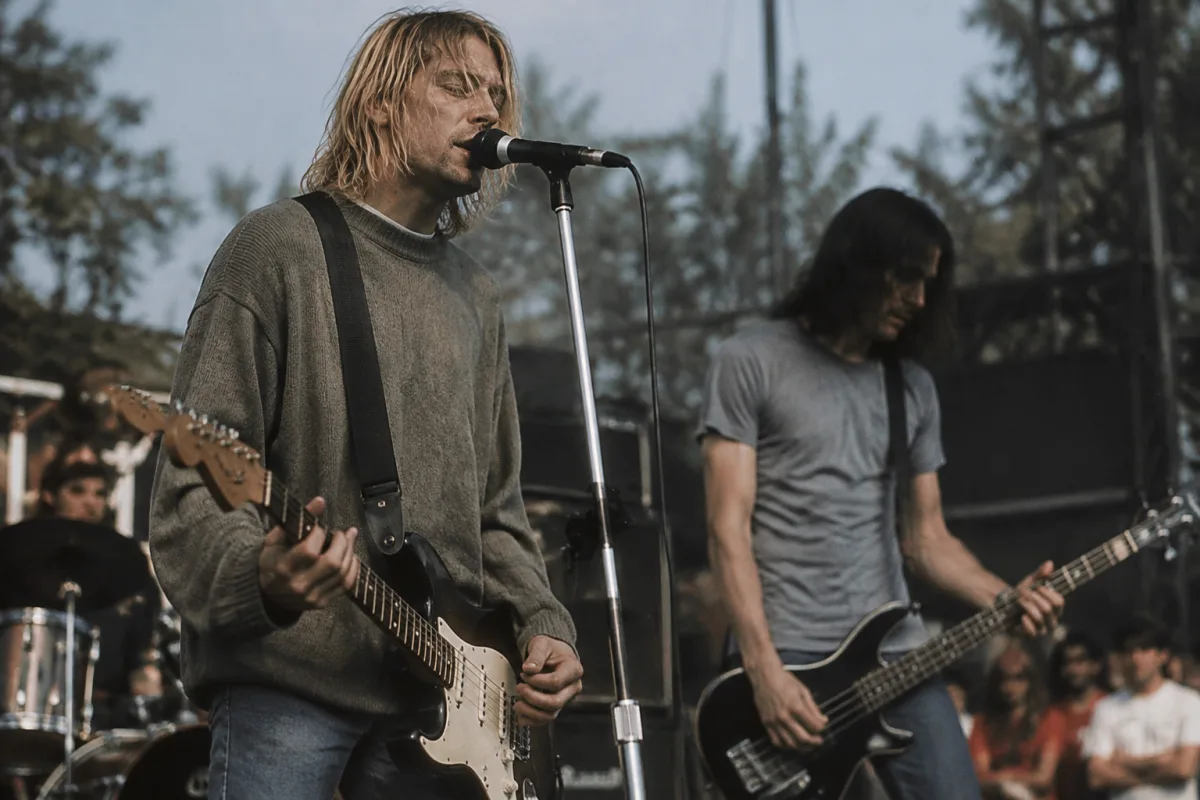
Grunge rock artists transformed popular music in the early 1990s, emerging from Seattle's underground scene to become a global phenomenon. The grunge rock artists that defined the era—Nirvana, Pearl Jam, Soundgarden and Alice in Chains—shared a sonic vocabulary of distorted guitars, angst-driven lyrics and raw emotional authenticity that resonated with millions. Understanding grunge rock artists reveals not just the music itself, but a generational shift in attitude, instrumentation and what audiences wanted from rock music. Whether you're exploring grunge rock artists for the first time or rediscovering why they mattered, the legacy of these grunge rock artists continues influencing contemporary rock.
The Origins of Grunge Rock Artists
Grunge rock artists didn't emerge from nowhere—they synthesized influences from punk, heavy metal and post-punk. The grunge rock artists movement took Seattle's underground clubs as its laboratory, where bands refined heavier, more aggressive sounds whilst maintaining punk's DIY ethics. These grunge rock artists rejected the polished production and virtuosic excess of 1980s metal, instead embracing rawness and emotional directness. The grunge rock artists' approach felt revolutionary because it was a genuine departure from what mainstream rock had become.
The grunge rock artists' sonic foundation rested on heavily distorted guitars tuned low, with rhythms derived from punk but executed with metal's heaviness. Grunge rock artists' lyrical themes centred on alienation, depression and social criticism—topics the previous generation of rock stars largely avoided. This combination of musical aggression and lyrical vulnerability made grunge rock artists powerfully distinctive.
Nirvana and Kurt Cobain's Influence on Grunge Rock Artists
No discussion of grunge rock artists is complete without Nirvana. The grunge rock artists that were Nirvana essentially redefined what rock music could be commercially. "Nevermind" became the album that launched grunge rock artists into the mainstream, and Kurt Cobain became the reluctant spokesperson for an entire generation. The influence of grunge rock artists like Nirvana on subsequent rock cannot be overstated—Nirvana proved that grunge rock artists could sell millions of copies without compromising artistic integrity.
Cobain's songwriting set the template for grunge rock artists. The contrast between quiet verses and explosive choruses became a grunge rock artists staple. The grunge rock artists' willingness to express depression and emotional pain openly gave permission to a generation of grunge rock artists who followed. Cobain's legacy shaped not just grunge rock artists, but rock music itself.
Pearl Jam and the Melodic Side of Grunge Rock Artists
Pearl Jam represented the more melodically inclined end of the grunge rock artists spectrum. Whilst Nirvana embraced deliberate primitivism, Pearl Jam developed complex song structures that showcased technical musicianship. Eddie Vedder's vocals became an iconic sound of grunge rock artists—powerful, emotional and distinctly personal. The grunge rock artists on Pearl Jam albums like "Ten" demonstrated that grunge rock artists could be sophisticated without sounding pretentious.
The longevity of Pearl Jam among grunge rock artists distinguishes them. Most grunge rock artists achieved peak prominence in the early-to-mid 1990s. Pearl Jam not only sustained their career but evolved beyond the grunge rock artists template they helped establish. This adaptability made Pearl Jam arguably the most influential grunge rock artists in the long term.
Soundgarden's Metal Roots and Technical Mastery
Soundgarden brought the heaviest edge to grunge rock artists. Where many grunge rock artists borrowed from metal, Soundgarden embraced metal's technical complexity directly. Chris Cornell's vocal range gave Soundgarden a unique identity among grunge rock artists—few grunge rock artists frontmen possessed Cornell's technical vocal ability. The musicianship of Soundgarden separated them from looser grunge rock artists contemporaries.
The grunge rock artists represented by Soundgarden proved that technical proficiency and raw emotion weren't mutually exclusive. Soundgarden's songs often featured complex time signatures and intricate arrangements whilst maintaining the emotional intensity that defined grunge rock artists generally. This made Soundgarden essential listening for musicians understanding grunge rock artists.
Alice in Chains and Dark Grunge Rock Artists
Alice in Chains brought an almost gothic darkness to grunge rock artists. The distinctive vocal harmonies between Layne Staley and Jerry Cantrell created textures few other grunge rock artists achieved. The grunge rock artists work of Alice in Chains explored darker emotional territory than many contemporaries. Albums like "Dirt" demonstrated that grunge rock artists could sustain concept-adjacent coherence across an entire record.
Alice in Chains' influence on metal-tinged grunge rock artists cannot be overstated. The grunge rock artists demonstrated that grunge and metal could merge seamlessly. Their dark aesthetic proved that grunge rock artists could explore shadow as readily as many grunge rock artists explored alienation.
Other Essential Grunge Rock Artists
Beyond the "big four," numerous grunge rock artists contributed significantly. The Melvins essentially invented sludge metal, influencing both grunge rock artists and metal musicians. Stone Temple Pilots, sometimes disputed as true grunge rock artists, achieved massive commercial success and refined the grunge rock artists formula. Screaming Trees brought blues influence to grunge rock artists. The Smashing Pumpkins expanded the grunge rock artists template with progressive ambitions. Each of these grunge rock artists added distinct colour to the movement.
Mudhoney and Soundgarden's Mark Lanegan demonstrated that grunge rock artists could explore blues and soul influences without losing edge. The breadth of grunge rock artists styles proves the movement was far more diverse than casual observers recognised.
The Instruments of Grunge Rock Artists
Grunge rock artists favoured specific gear. Fender Mustangs and Jazzmasters became the offset guitars of choice for many grunge rock artists—affordable, distinctive-sounding, and perfectly suited to the grunge rock artists aesthetic. Boss effects pedals and Marshall amplifiers became standard for grunge rock artists tone-chasing. The instrumentation of grunge rock artists reflected Seattle's working-class ethos—utility and authenticity over flashiness.
Grunge rock artists' guitar tone relied more on technique and tuning than expensive equipment. The heavily distorted, downtuned sound of grunge rock artists could be achieved with modest gear. This democratic approach meant grunge rock artists inspired countless bedroom musicians who couldn't afford expensive equipment but could afford the artistic vision.
Grunge Rock Artists' Lyrical Themes
Depression, isolation and social alienation dominated grunge rock artists' lyrics. Where previous rock generations often celebrated excess, grunge rock artists explored inner turmoil. The grunge rock artists' willingness to admit struggle influenced generations of artists who followed. Grunge rock artists normalised discussing mental health through popular music—a significant cultural shift.
Class consciousness appeared frequently in grunge rock artists' work. Many grunge rock artists came from working-class backgrounds and expressed suspicion of wealth and authority. The grunge rock artists' anti-establishment stance reflected punk heritage whilst targeting 1990s-specific targets.
The Peak and Decline of Grunge Rock Artists
Grunge rock artists achieved remarkable commercial success from 1991–1994. The movement became so dominant that radio stations seemingly played only grunge rock artists. This ubiquity ultimately contributed to backlash. By the mid-1990s, grunge rock artists seemed overexposed, and audiences began seeking alternatives. The deaths of Kurt Cobain and Layne Staley symbolically marked the beginning of grunge rock artists' commercial decline.
The rapid commercialisation of grunge rock artists troubled many within the movement. What began as authentic underground expression became a marketable aesthetic. This contradiction created tension between grunge rock artists' anti-commercial ethos and their commercial reality—a tension several grunge rock artists struggled with publicly.
Grunge Rock Artists' Lasting Legacy
Modern rock music owes enormous debt to grunge rock artists. The alternative rock mainstream essentially became defined by what grunge rock artists established. Bands continue referencing grunge rock artists as influences. The grunge rock artists' integration of metal and alternative sensibilities persists in contemporary metal and alternative genres.
Culturally, grunge rock artists changed attitudes toward authenticity in popular music. The grunge rock artists demonstrated that commercial success didn't require glossy presentation or manufactured perfection. This opened doors for countless artists who might otherwise have felt their "imperfect" music lacked commercial viability. The grunge rock artists' influence extends far beyond their immediate genre.
Rediscovering Grunge Rock Artists Today
New listeners discovering grunge rock artists often wonder why the music resonated so powerfully. Playing an original grunge rock artists record reveals immaculate songwriting beneath the distortion. The grunge rock artists were far more sophisticated than detractors suggested. The raw production only emphasizes the songs' strength—grunge rock artists' compositional skills are remarkable.
The grunge rock artists remain vital listening. Their music hasn't dated aesthetically. Revisiting grunge rock artists proves they were genuinely innovative, not just trends. Whether you approach grunge rock artists as historical documentation or active music collection, the legacy of grunge rock artists endures.


Comments