
90s Grunge Band article
The Complete Guide to 90S Grunge Band
The 1990s grunge movement produced some of the most influential rock bands ever. From Nirvana to Pearl Jam, explore the bands that redefined rock and shaped a generation.
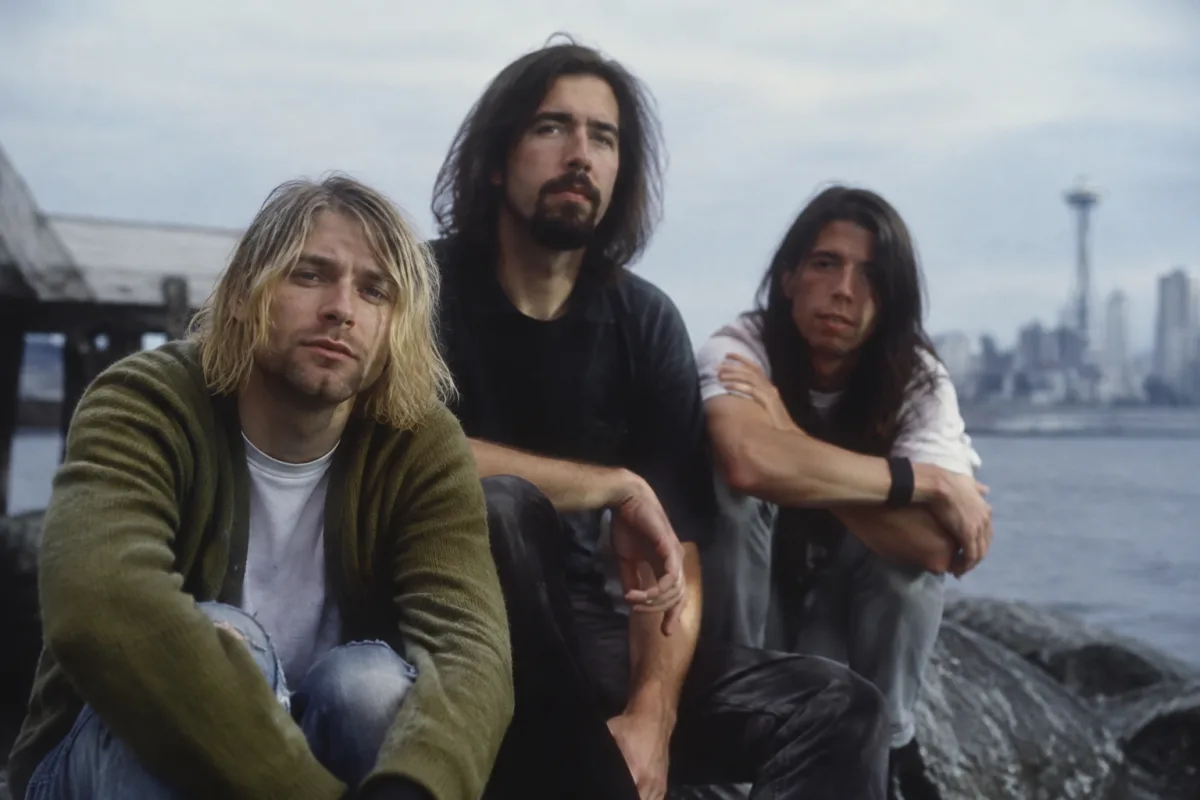
The 1990s grunge movement emerged from the Seattle music scene to become one of the most influential and culturally significant phenomena in rock history. Grunge bands of that era didn't simply make music—they redefined what rock meant, how rock musicians dressed, and what rock audiences expected from their heroes. This decade-spanning movement birthed some of the greatest rock bands ever, their impact resonating far beyond the confines of the 1990s.
The Origins of Grunge: A Sound Emerges
Grunge didn't appear overnight. The sound developed gradually throughout the 1980s in Seattle, blending the raw energy of punk rock with the heaviness and distortion of metal, whilst maintaining a melodic sensibility inherited from 1970s hard rock. Local bands like The Green River, The Melvins, and early Soundgarden pioneered the template that would define the decade. By the late 1980s, the Seattle underground had cultivated a thriving scene with a distinctive sonic identity—loud, introspective, and utterly compelling.
The Big Four: Icons of 90s Grunge
Nirvana, Pearl Jam, Soundgarden, and Alice in Chains dominated the grunge landscape throughout the 1990s. Nirvana's 1991 album "Nevermind" became the catalyst that brought grunge into the mainstream consciousness, with Kurt Cobain's tortured vocals and Thurston Moore's angular guitar work defining a generation's angst. Pearl Jam's Eddie Vedder offered a more reserved, poetic approach to grunge vocals, whilst the band's intricate arrangements showcased remarkable musicianship. Soundgarden, fronted by Chris Cornell's soaring baritone, demonstrated that grunge could be technically virtuosic without sacrificing raw emotional power. Alice in Chains completed the quartet, their harmony-driven sound and Layne Staley's hauntingly beautiful vocals adding yet another dimension to the movement.
Secondary Wave and Notable Contenders
Beyond the Big Four, the 1990s produced countless grunge bands worthy of attention. Stone Temple Pilots brought theatrical flair to the grunge formula, with Scott Weiland's dynamic vocal range and the band's willingness to experiment with their sound. The Melvins, though often overlooked by mainstream audiences, fundamentally shaped the heavy, sludgy foundation upon which much of grunge was built. Mudhoney captured raw, unpolished authenticity in a way few bands could match. Screaming Trees' Mark Lanegan offered a uniquely raw vocal delivery that influenced generations of singers. Tad, Kyuss, and The Flaming Lips all contributed distinctive voices to the broader grunge ecosystem.
Musical Characteristics of 90s Grunge Bands
Several musical hallmarks define the 90s grunge band sound:
- Heavy, Distorted Guitars — Most grunge bands relied on thick, saturated guitar tones achieved through amplifier distortion and various effects pedals. The goal was density and emotional impact rather than technical clarity.
- Introspective, Melancholic Lyrics — Unlike the escapism of much 1980s rock, grunge bands wrote about depression, alienation, social anxiety and personal struggle with unflinching honesty.
- Dynamic Song Structure — A typical grunge song moved from quiet, introspective verses to explosive, cathartic choruses. This dynamic range kept listeners engaged and created emotional payoff.
- Authenticity and Anti-Image — Grunge bands actively resisted the glamorous artificiality of 1980s rock. Flannel shirts, ripped jeans, and unkempt hair became the uniform precisely because they rejected the high-fashion posturing of previous eras.
- Skilled Musicianship — Beneath the raw aesthetic, most grunge bands possessed remarkable technical ability. Dave Grohl's drumming, for instance, is considered among the finest in rock history.
The Cultural Impact of Grunge
Grunge transcended music to become a complete cultural phenomenon. Fashion designers appropriated grunge aesthetics for the catwalk. Teenage audiences abandoned the hairspray and makeup of hair metal for a deliberately understated appearance. Hollywood embraced grunge sensibility in films like "Singles" and "Reality Bites." The movement represented a generational rejection of 1980s excess in favour of authenticity and emotional vulnerability—values that resonated deeply with Generation X.
Tragedy and the Myth of the Troubled Frontman
Sadly, the 1990s grunge narrative became inseparable from tragedy. Kurt Cobain's suicide in 1994 shocked the world and cemented grunge as a movement inextricably linked with pain and darkness. Layne Staley's death from a heroin overdose in 2002 (though technically early 2000s, his descent began in the 1990s) further reinforced the mythology of grunge as inherently tragic. Chris Cornell's suicide in 2017 continued the pattern. These real-world tragedies, though deeply affecting, became conflated with grunge itself in the popular imagination, often overshadowing the music's actual brilliance.
Legacy and Modern Influence
The impact of 1990s grunge bands extends far beyond that decade. Every alternative rock, post-grunge, and modern rock band owes something to the template established by grunge. Contemporary artists from Foo Fighters to Queens of the Stone Age to Greta Van Fleet continue mining the grunge playbook. The emotional honesty and musical integrity that defined 90s grunge remain aspirational ideals within rock music.
Revisiting the Catalogue
For those discovering 90s grunge bands for the first time, the canonical albums remain essential listening. Nirvana's "Nevermind," Pearl Jam's "Ten," Soundgarden's "Superunknown," and Alice in Chains' "Dirt" represent the movement at its absolute peak. These records sound as vital and emotionally resonant today as they did upon release, a testament to their quality and timelessness.
The Bottom Line
Grunge bands of the 1990s created some of the most important and influential rock music ever recorded. They arrived at precisely the cultural moment when their message of authenticity, emotional vulnerability, and resistance to manufactured celebrity resonated most powerfully. Whilst the movement's direct influence has waned, its legacy remains immensely significant. The greatest 90s grunge bands continue to inspire musicians and move audiences, reminding us that rock and roll's enduring power lies not in technical virtuosity alone, but in the honest expression of human emotion and experience.


Comments