


Future Bass Buying guide
Future Bass: A Complete Buyer's Guide
Getting into future bass? Start with the right artists and affordable gear. This buying guide shows you what to invest in and what to skip.
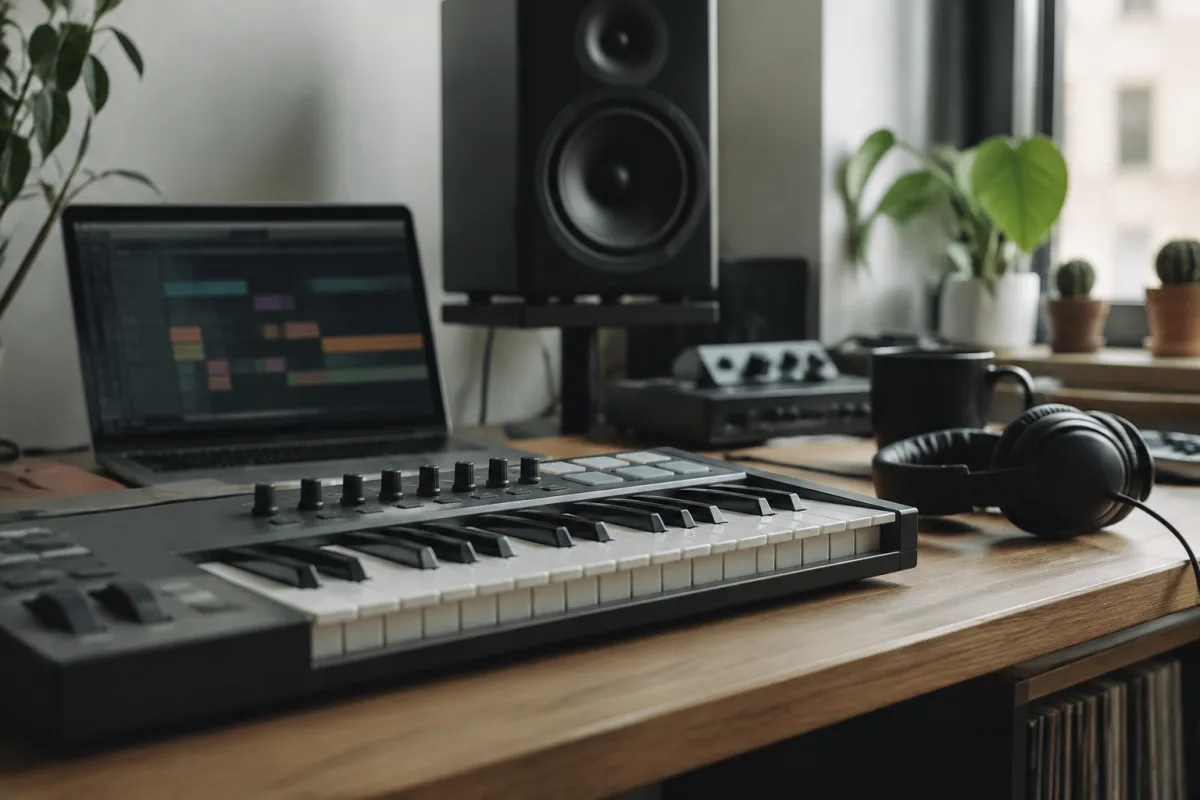
Future bass is immediately recognisable—those wobbly, squelchy basslines, the emotional melodies cutting through, the sense that anything could happen next. If you're drawn to the genre and thinking about either collecting music or attempting production yourself, you're entering something genuinely exciting. The challenge is that future bass sits in a weird space: it's a relatively young genre (properly emerged around 2013–2014), it blends influences from trap, dubstep, and melodic house, and every producer who touches it pushes it in different directions. Knowing what to buy (music to listen to? production gear?) and which artists represent the core sound versus the periphery makes the difference between discovering something brilliant and wasting money on tired imitations. This guide shows you how to navigate future bass buying decisions confidently.
Understanding What You're Buying Into
Future bass isn't a single sound anymore—it's evolved into a galaxy of related styles. When you're considering music or production gear for the genre, understand that you're picking a lane. Some future bass is bass-heavy and darkly atmospheric. Some is bright, playful, and almost jubilant. Some sits closer to trap; some pulls harder toward deep house. There's no single "correct" future bass; there's what resonates with you. Clarity on your own taste saves money and prevents frustration.
Buying Music: Curating Your Listening Collection
If you're interested in future bass as a listener, your first investment is time spent with canonical artists and newer acts pushing the sound forward. Here's how to build a collection that teaches you the landscape:
- Start with the architects: Shlohmo, G-Buck, Wave Racer, Rustie, Hudson Mohawke. These producers defined future bass's aesthetic between 2013–2016. Their music is the foundation that everything after builds on or reacts against.
- Expand into mainstream popularity: Vanic, NGHTMRE, San Holo, Mura Masa. These artists brought future bass into broader awareness and created accessible entry points without sacrificing the core DNA.
- Follow contemporary artists pushing the sound forward: Skeler, Kai Wachi, Whethan, Emei. These producers are actively evolving future bass right now—their work shows where the genre is heading.
- Explore adjacent sounds: Trap producers (Flume, Baauer), deep house acts (Burial, Amon Tobin), and experimental ambient artists influence future bass. Understanding the influences helps you appreciate the synthesis.
Budget-wise: Spotify or Apple Music at £12/month gives you access to essentially all future bass ever made. Buying specific releases on Bandcamp or iTunes (£5–15 per album) makes sense if you want to support an artist you love or want high-fidelity audio. Start with streaming, move to purchasing as your taste becomes specific.
Production Gear: What You Actually Need
If you want to make future bass, you need less gear than you probably think. The core requirement is software; hardware is supplementary.
- DAW (Digital Audio Workstation): Ableton Live (£450–700), Logic Pro (£200), or more affordable alternatives like Reaper (£60) or FL Studio (£150). Future bass production typically uses Ableton, but any DAW works. Start with a free trial before buying.
- Synthesiser plugins: Serum (£150, essential for future bass sound design), NI Massive (£150), Sylenth1 (£100). These are industry-standard tools for creating the genre's characteristic sounds. They matter more than expensive hardware.
- Samples and sound packs: Splice (£9/month for monthly downloads, or pay-per-download), Loopmasters, Panda Sounds. Quality sample packs accelerate your learning and give you production-ready material to work with.
- Mixing essentials: A decent pair of headphones (£50–200), an audio interface (£100–300), and monitoring software. You can't produce future bass competently without being able to hear accurately.
Total investment for serious hobby production: roughly £500–1500 for software and basics. That's a one-time cost that lasts years. Expensive hardware (synthesisers, controllers) is optional and doesn't make you sound better—skill and taste matter infinitely more.
Choosing Between Entry-Level and Professional Gear
Here's where many beginners waste money: buying expensive gear thinking it will accelerate learning. It won't. A £3000 hardware synthesiser doesn't teach sound design better than a £150 software synth. An expensive microphone doesn't make bad vocal records sound good. Here's the practical reality:
- Start with software and affordable tools. Learn the fundamentals with budget gear. You'll learn faster, make more mistakes (which teach more), and spend less money.
- Upgrade only when you hit specific limitations. "My headphones can't resolve high-frequency detail" is a real reason to upgrade. "I think better gear will make me more creative" is not.
- Most professional future bass producers use entry-level gear for 80% of their workflow. What matters is knowledge, taste, and time invested. A working producer on Ableton Live and Serum can compete with someone on Logic and Sylenth1. Taste wins; price doesn't.
Online Learning Resources: What's Worth Paying For
If you're producing future bass, education accelerates everything. Here's where to invest:
- YouTube (free): Incredible tutorials exist free. Busy Works Beats, SeamlessR, In Depth Carts teach future bass production brilliantly without a paywall.
- Online courses (£20–100): Udemy, Skillshare, dedicated production sites. Worth the cost if they're specific to future bass and taught by someone whose music you respect. Generic "how to produce music" courses are often better free on YouTube.
- Mentorship from active producers (£50–300/hour or project basis): The most expensive option but potentially the most valuable. A working future bass producer can spot problems in your workflow that YouTube can't see.
Realistically, free YouTube resources plus one structured paid course (£30–50) gets most people competent within 6–12 months of regular practise. After that, your learning comes from making tracks, getting feedback, and analysing music you love.
Common First-Time Buying Mistakes
Watch out for these:
- Buying expensive hardware before learning software. A £2000 hardware synth doesn't teach you synthesis. Software synths are infinitely more flexible for learning. Start there.
- Chasing artist gear lists. "This producer uses this synthesiser and this sampler" doesn't mean you need those exact tools. They're tools, not magic.
- Buying complete sample packs without listening first. Preview samples before buying. A £50 future bass pack might have nothing you actually like—preview carefully.
- Expensive gear as motivation. Some people buy expensive equipment hoping it will motivate them to produce. It rarely works that way. Start small, earn your upgrades through productivity and results.
- Ignoring headphones quality. You can make future bass on a budget DAW and cheap synths, but you cannot make it sound good on terrible headphones. Invest here—decent headphones are worth their cost.
Building a Smart Future Bass Purchase Strategy
Start with Spotify or Apple Music to explore the genre. If you fall in love, invest in your listening through Bandcamp and direct artist support. If you want to produce, begin with free software (GarageBand, Reaper trial, Cakewalk) before spending money on a DAW. Learn basics through free YouTube. Only buy synthesiser plugins and samples once you understand what you actually need. Most successful future bass producers built their sound through careful listening, lots of experimentation, and gradual, intentional gear investment—not through buying everything at once.
Future bass rewards taste and patience over budget. Start smart, invest gradually, and focus on developing your ear and your production instincts. That combination beats expensive gear every single time.


Comments