


Ambient Techno article
Ambient Techno for Beginners: A Complete Guide
Discovering ambient techno as a new listener needn't feel daunting. This guide introduces the genre's defining characteristics, starter albums, listening approaches, and techniques for developing genuine appreciation.
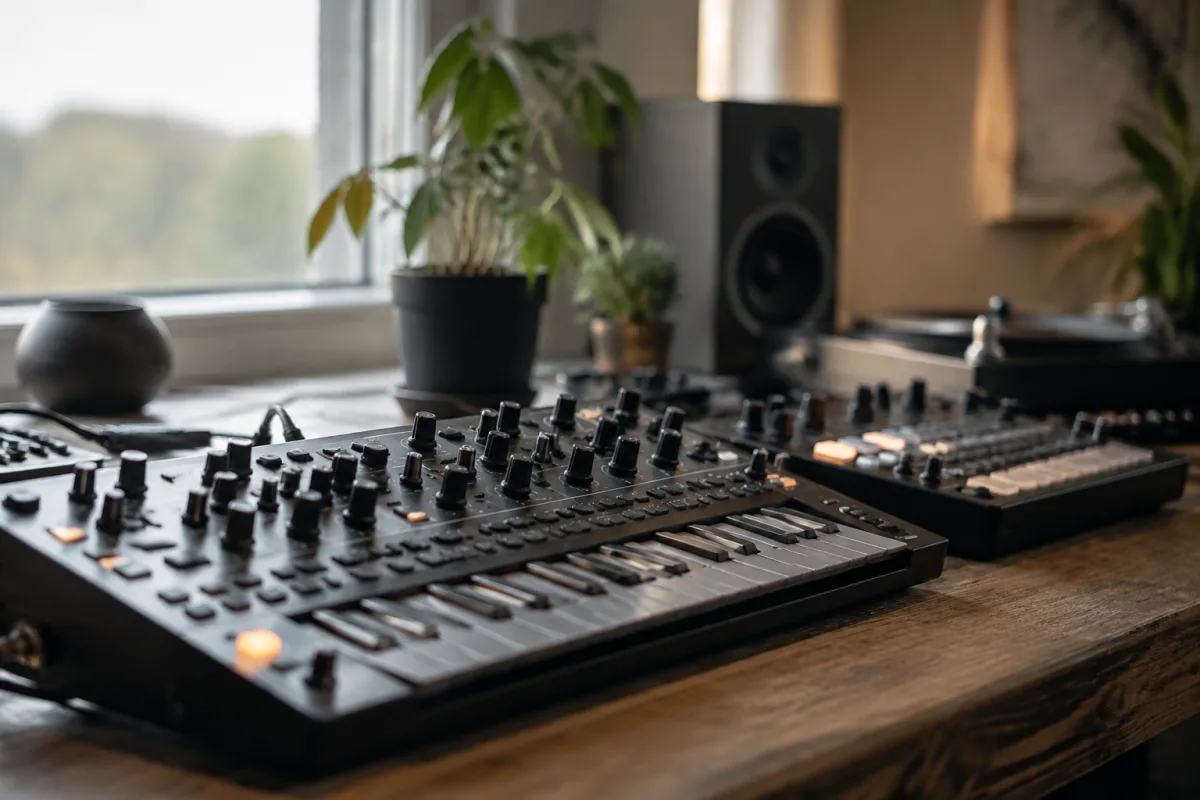
Discovering ambient techno as a new listener sometimes feels daunting—the genre straddles the abstract ambience of modern classical music with the driving rhythmic foundation of electronic dance music. Many nervous beginners worry they won't understand or appreciate ambient techno, but the reality is welcoming: ambient techno's strength lies in creating immersive sonic environments that reward attentive listening without demanding musical training or technical knowledge. This guide walks through what makes ambient techno distinctive, introduces essential listening starting points, and helps you develop genuine appreciation for this evolving genre.
Understanding What Ambient Techno Actually Is
Ambient techno combines the hypnotic, minimalist textures of ambient music with electronic dance music's mechanical precision and repetitive structure. Unlike harder techno emphasising rapid tempo and aggressive bass, ambient techno moves slowly, creating meditative or introspective sonic spaces. Unlike pure ambient music without rhythmic foundation, ambient techno maintains steady pulse and underlying electronic beats. This hybrid nature—contemplative yet rhythmically grounded—defines the genre's appeal.
The foundational principle: ambient techno rewards patience and attentive listening more than casual background consumption. This isn't criticism—understanding that ambient techno works differently from pop music or conventional electronic dance music helps you approach it with appropriate expectations. Listening to ambient techno involves different listening skills than other genres, but these skills develop naturally through exposure.
Why Beginners Should Explore Ambient Techno
Ambient techno offers psychological benefits many listeners discover unexpectedly. The sustained, evolving soundscapes create calm focus, reduce anxiety, and facilitate deep concentration. Producers often describe the genre as meditative without requiring meditation experience. Students often report improved focus and work environments with ambient techno as background accompaniment. You're not just exploring new music—you're accessing tools for emotional and mental wellbeing.
Ambient techno also showcases electronic music production sophistication without demanding explicit attention to production technique. You hear layers, textures, and sound design evolving over extended tracks—development you'd miss in shorter pop formats. This exposure expands your musical awareness and production appreciation even if you never create music yourself.
The Essential Listening Starter List
Begin with Boards of Canada's "Music Has the Right to Children." This album balances lo-fi sampling and nostalgic textures with genuinely complex composition and production. It's simultaneously approachable for new listeners and deep enough for experienced fans. Start with this album, spend several full listens getting comfortable with its aesthetic, then branch into other directions.
Aphex Twin's Selected Ambient Works 85-92 represents formative ambient techno, establishing production approaches the genre still builds upon. Later Aphex Twin work becomes significantly more experimental; this album provides clearer introduction to his philosophy and style.
Warp Records' compilation "Artificial Intelligence" introduces multiple ambient techno artists simultaneously, exposing you to stylistic variety within genre boundaries. Seeing different approaches—Autechre's crystalline digital precision, Afx's sample-based nostalgia, JLIN's polyrhythmic complexity—develops understanding of ambient techno's diversity.
Oneohtrix Point Never represents modern ambient techno, showcasing how the genre evolved through 2010s-2020s. Albums like Replica and Garden of Delete demonstrate contemporary production sophistication and conceptual ambition. Hearing how the genre matured helps you understand its historical context.
Common Beginner Listening Mistakes
Expecting ambient techno to function as complete background music represents the most common misunderstanding. Ambient techno responds to attention—small details reveal themselves through focused listening that disappear if you're casually paying attention. Set aside dedicated listening time without distracting activities. This focused attention transforms ambient techno from forgettable background to revelatory listening experience.
Assuming unfamiliar = poor quality often derails new listeners. Ambient techno's production aesthetic intentionally embraces lo-fi textures, granular digital noise, and unconventional sound design. These characteristics reflect conscious artistic choice, not technical limitation. Learning to hear lo-fi production as valid aesthetic choice—not deficient sound quality—opens ambient techno's world significantly.
Abandoning genres after single unfavourable listening represents another error. Individual albums may not resonate; different artists approach ambient techno differently. One artist's style might feel alienating whilst another's resonates immediately. Give the genre multiple listening opportunities across different artists before deciding whether it appeals to you.
Creating Appropriate Listening Environments
Ambient techno responds beautifully to quality sound reproduction. You don't need expensive equipment—decent earbuds or modest speakers suffice. What matters is actually hearing the production details. Cheap earbuds and phone speaker playback sometimes obscure the layering and texture that make ambient techno rewarding. Invest in decent listening quality even if budget is tight—quality earbuds cost £20-£40 and transform listening experience.
Album order matters in ambient techno more than other genres. Artists sequence albums deliberately, building narrative and emotional arc across full recordings. Listening to shuffled playlists undermines this sequencing intentionality. Start with full album listens before creating personal playlists. This approach develops understanding of how ambient techno works as complete artistic statements.
Understanding Production and Sound Design
Ambient techno listeners benefit from understanding basic production concepts without needing production experience. Granulation (breaking sound into tiny fragments), filtering (removing frequency ranges), and layering (building complex textures from multiple sounds) represent core techniques. Recognising these techniques in listening develops appreciation for production sophistication and artistic choices.
Sample-based ambient techno (heavily influenced by hip hop production traditions) uses pre-recorded sounds reimagined through processing. Synthesis-based ambient techno creates sounds from electronic waveforms shaped through programming. Different approaches create different aesthetic results. Hearing the difference between sampled nostalgia and digital abstraction expands your listening palette.
Following the Rabbit Hole: Expanding Listening
After initial starter albums, branch into related artist recommendations. Most music platforms suggest similar artists; following these recommendations naturally builds genre understanding. Explore artists Boards of Canada influenced and who they influenced—mapping influence networks develops historical perspective and stylistic literacy.
Look for genre subgenres and variations: dark ambient techno emphasising menace and unease, intelligent dance music (IDM) balancing electronic sophistication with accessible rhythm, lowercase minimalism focusing on microscopic sound detail. Different variations attract different listeners. Exploring variations helps you identify which ambient techno approaches appeal most strongly to you.
Live Ambient Techno Experiences
Ambient techno live performances differ substantially from album listening. Artists perform extended DJ sets, remixing and improvising tracks in real-time. Festival contexts (smaller festivals emphasising electronic music more than mainstream dance-oriented events) offer better ambient techno presence than larger mainstream venues. If you enjoy listening, eventually seeking live experiences deepens your appreciation and community connection.
Building Your Ambient Techno Collection
Streaming services provide complete access to ambient techno without purchasing. This lets you explore extensively before committing to purchases. Once you identify favourite artists and albums, consider purchasing physical formats or supporting artists through Bandcamp (often where experimental electronic artists sell directly). Building physical collection develops deeper relationship with music than streaming alone provides.
For comprehensive ambient techno history, production technique deep-dives, and artist biographies beyond beginner listening introduction, consult a beginner's guide to ambient techno, which explores the complete genre framework and foundational concepts in comprehensive detail.
Your Real First Step
Find Boards of Canada's "Music Has the Right to Children" on your preferred streaming service. Set aside an hour without distraction. Listen to the complete album from start to finish. Don't judge within first listen—give your ears time to adjust to the aesthetic. Repeat the full album a second time the following day. Notice what details reveal themselves on repeated listening. Then decide whether you want to explore further or if ambient techno doesn't resonate with you. Both conclusions are perfectly valid. The point is giving the genre genuine listening opportunity rather than dismissing it based on unfamiliarity.


Comments