


String Winder Buying guide
String Winder: A Complete Buyer's Guide
Selecting the right string winder saves time and prevents damage to your tuning pegs. This guide covers mechanism types, adapter compatibility, and features that matter when choosing a string winder.
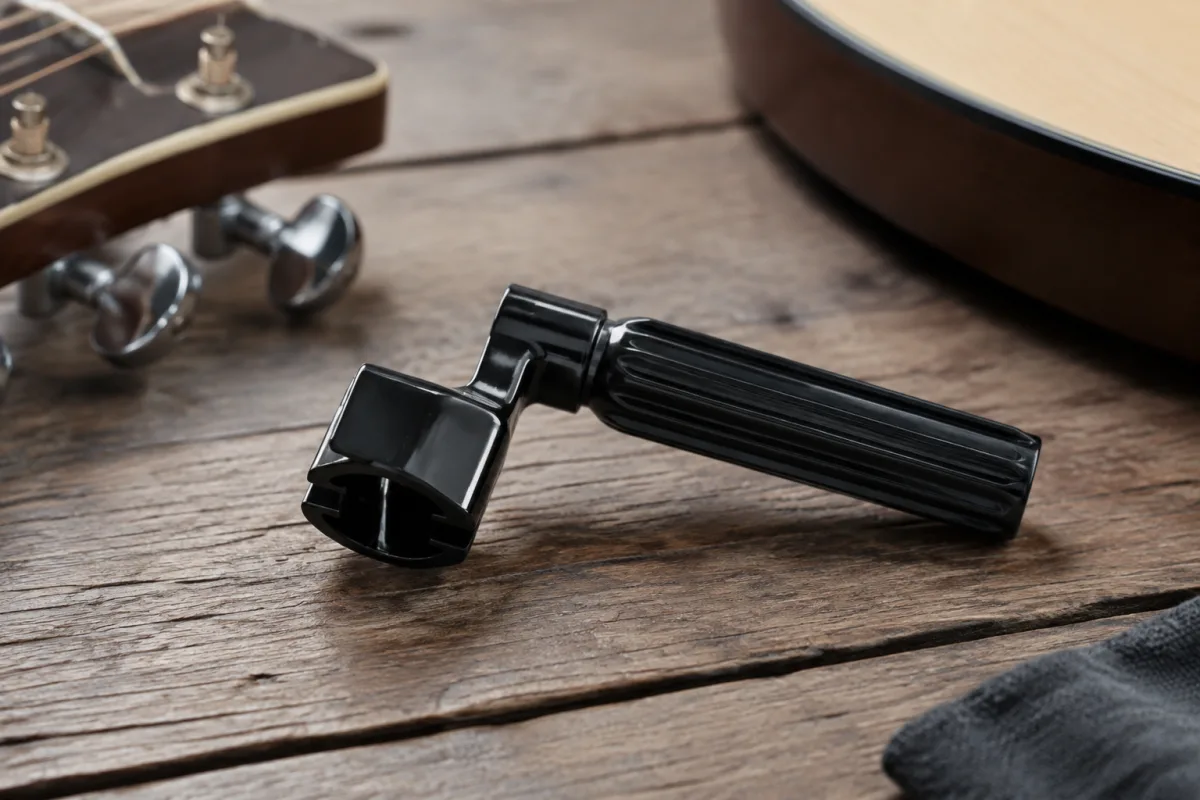
A string winder is one of those small tools that seems inconsequential until you've strung a guitar without one. What should take two minutes becomes a ten-minute chore of hand-winding and struggling with uneven tension. Whether you're a casual player changing strings quarterly or a professional musician who restrings weekly, choosing the right string winder dramatically improves the speed and quality of your restringing work. This guide cuts through the marketing and focuses purely on what matters when selecting a string winder.
Winding Mechanisms: Speed and Control Trade-offs
String winders operate using one of three primary mechanisms. Manual crank winders use a hand-cranked handle connected to the post hole via gears, allowing you to wind strings rapidly whilst maintaining tension control. Electric string winders plug in or run on batteries and wind automatically, freeing both hands for tension adjustment; they're faster but less forgiving for beginners who might over-tighten. Hybrid manual winders add a ratcheting mechanism that reduces wrist strain compared to basic cranks. For speed, electric wins; for control and portability, manual crank winders remain the standard. Most guitarists prefer manual cranks because they offer sufficient speed improvement without the added complexity and power requirements of electric models.
Peg Hole Compatibility and Adapter Fit
Not all string winders fit all tuning pegs. Winders come with adapter sleeves sized for common peg hole diameters—typically 10mm, 12mm, and occasionally 14mm. Slot-head tuners (found on some acoustic guitars and vintage instruments) require a different approach than pin-hole tuners. Before purchasing, measure your tuning peg holes precisely; buying a winder that doesn't fit your guitar makes it entirely useless. Quality winders include multiple adapter sleeves in the box; budget models often have just one, limiting their utility across different guitars. Some manufacturers offer universal adapters that adjust to various hole sizes, though these are less stable than fixed adapters. If you own multiple guitars with different peg configurations, prioritise a winder with a comprehensive adapter collection.
Build Quality and Handle Design
The handle is where quality differences become immediately obvious. Cheap string winders use thin plastic handles that become uncomfortable within seconds of cranking. Better winders feature rubberised or grip-textured handles that reduce hand fatigue during rapid winding. The connection between the handle and the peg socket matters tremendously; loose connections introduce play that misaligns the winder and can strip peg holes or bend delicate tuning pegs. Look for winders where the handle rotates smoothly without wobbling laterally. The crank itself should have a reasonable diameter—too small causes wrist strain, whilst overly large handles reduce mechanical advantage. For frequent users, investing in a winder with an ergonomic handle design prevents repetitive strain injuries.
Speed Reduction Ratios
Speed reduction is measured by the gear ratio; higher ratios mean more crank rotations per peg revolution, but with less force required. A 3:1 ratio (three handle rotations per one peg rotation) suits most players, reducing cranking effort significantly compared to 1:1 or 2:1 ratios. However, higher ratios mean finer control—you can adjust tension more precisely. Professional luthiers sometimes prefer lower ratios for this reason. For the average musician, 3:1 is the efficiency sweet spot: fast enough to finish stringing in under five minutes, controlled enough to avoid over-tightening. Some premium winders offer adjustable ratios or two-stage mechanisms that start with high speed and shift to finer control as tension increases.
Special Features Worth Evaluating
Certain string winders include features that simplify the restringing process. A built-in string cutter eliminates fumbling with scissors and makes flush cuts easier. A bridge pin extractor (a small notch at the end of the winder shaft) pulls bridge pins from acoustic guitars, solving one of the most frustrating parts of acoustic restringing. Some winders include a tension indicator or feedback mechanism to signal when optimal tension is reached, helping beginners avoid over-tightening. Collapsible or compact designs store easily in gig bags or toolkit drawers. Whilst these extras aren't essential, they can justify slightly higher prices if you frequently restring multiple instruments.
Portability and Storage Considerations
A string winder is only useful if you have it when you need it. Compact winders store in a gig bag pocket or tool bag without taking space. Some travel-friendly models fold or telescope to reduce size. If you gig regularly or travel frequently, portability matters more than a winder that sits in a home studio. Conversely, if you only restring at home, size becomes irrelevant. Consider where you'll actually store and use the winder; this determines whether a compact model or standard-sized winder suits you best. Weight rarely exceeds 200 grams, so this isn't typically a limiting factor.
Price Tiers and Value Assessment
| Price Range | What You Get | Best For |
|---|---|---|
| £5-12 | Basic crank winder, minimal adapters, plastic handle | Occasional players, budget-conscious beginners |
| £12-25 | Standard crank winder, multiple adapters, decent handle | Regular players who restring monthly or more often |
| £25-50 | Quality cranks, premium handle, extras like string cutter or bridge pin extractor | Gigging musicians, multi-guitar owners |
| £50+ | Electric winder, adjustable speed, precision engineering | Professional luthiers, frequent high-volume stringing |
Testing Before You Buy
Ideally, test a string winder with your actual guitar before committing. Ensure the adapters fit snugly without forcing, the crank rotates smoothly without binding, and the handle feels comfortable during extended use. Some music shops stock multiple winders and allow test cranking. If buying online, look for retailers with generous return periods. The comfort and compatibility differences between models only become apparent with hands-on testing; what feels efficient for one guitarist might be awkward for another.
For deeper insight into string winding techniques and broader restringing practices, consult our comprehensive guide to guitar string winders, which covers maintenance, troubleshooting, and detailed comparisons of professional models.
Conclusion
A string winder transforms restringing from frustrating to efficient, turning a ten-minute chore into a two-minute task. Prioritise adapter compatibility with your guitars, seek ergonomic handle design, and select gear ratios that balance speed with control. The £15-30 price range captures winders that dramatically improve the restringing experience without unnecessary frills. Test before buying whenever possible, and remember that the "best" string winder is the one you'll actually use—which means it needs to fit your guitars and feel comfortable in your hands.


Comments