


Sheet Music Stand Buying guide
Sheet Music Stand: A Complete Buyer's Guide
Buying the right sheet music stand means understanding stability, height range, and material quality. This buying guide shows you exactly what to look for and which price tier matches your needs.
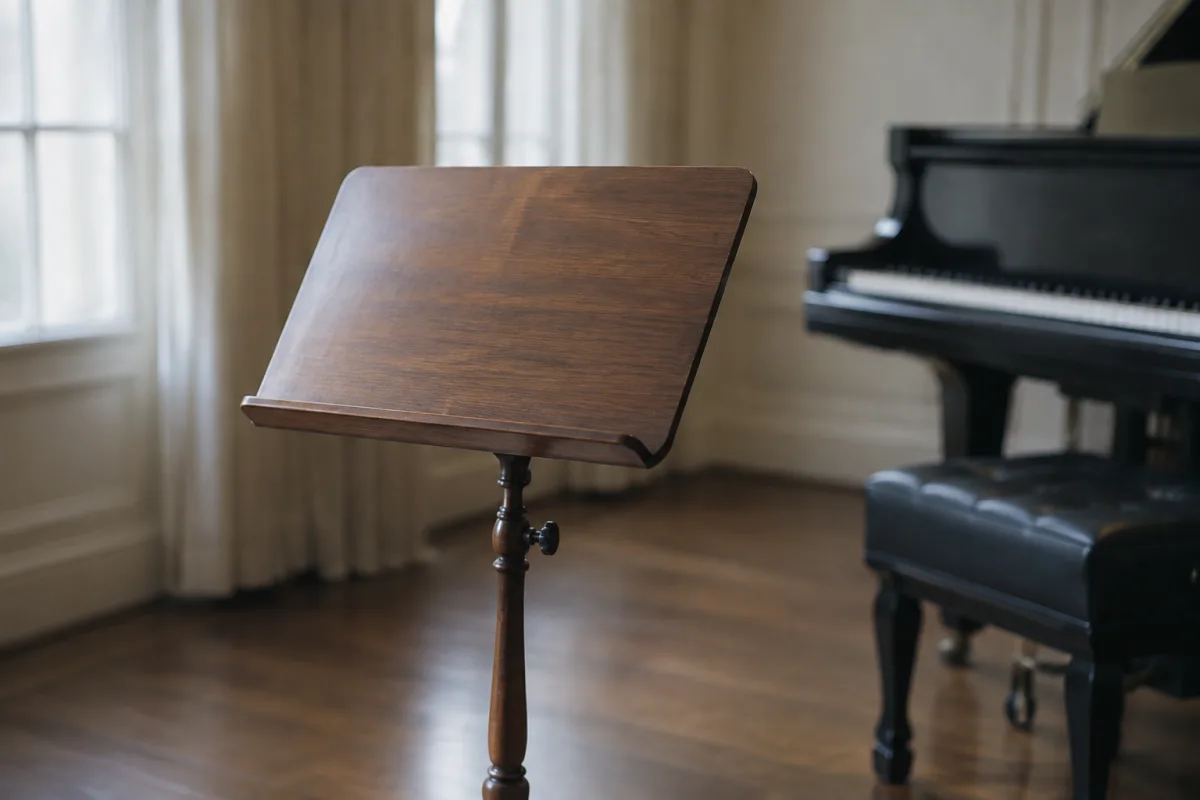
Buying the right sheet music stand might seem straightforward, but there are surprising pitfalls that can undermine your practice sessions or performances. From stability issues to size mismatches, knowing what to look for in a sheet music stand makes all the difference between a reliable tool and a frustrating waste of money. This guide cuts through the marketing speak and shows you exactly what specs matter and how price tiers break down.
The Specifications That Actually Matter
When evaluating a sheet music stand, focus on these key specifications rather than getting distracted by flashy features:
- Base width and weight — This determines stability. A stand with a narrow base or light weight will topple easily if you bump it or place heavy classical scores on the tray. Look for stands with a base at least 45 centimetres wide and materials that suggest solid weight (steel, heavy-duty plastic).
- Height range — Check the minimum and maximum heights. Can you adjust it to eye level when seated? Standing? Some stands have a narrower range than others, which matters if you perform both ways or share a stand with others of different heights.
- Tray size and angle adjustment — A larger tray holds more pages without sliding off. Angle adjustment (tilt) helps reduce neck strain by positioning the music at eye level rather than flat. Test how smoothly the angle adjusts—stiff mechanisms are frustrating in rehearsals.
- Weight and portability — If you gig regularly or teach multiple locations, lightweight matters. Aluminium stands weigh considerably less than steel. Check the stand's own weight spec, not just whether it's "lightweight" marketing speak.
- Desk/table clamp compatibility — Some stands clamp to desks instead of standing freely. If space is tight (small practice room, cramped rehearsal space), a clamp stand might suit you better than a floor stand.
Price Tiers and What You Get
Sheet music stands range dramatically in price. Here's what to expect at each tier:
| Price Tier | Typical Features | Best For | Watch Out For |
|---|---|---|---|
| Budget (£10–25) | Basic metal tripod, limited height range, small tray, fixed angle | Occasional casual practice, students on a tight budget | Poor stability, flimsy mechanisms, unstable if bumped |
| Mid-range (£25–60) | Sturdy metal base, good height range, adjustable angle, decent tray | Regular players, teachers, semi-professional musicians | Weight might be an issue if moving between venues frequently |
| Premium (£60–150+) | Heavy-duty construction, wide base, large tray, smooth mechanisms, lightweight materials, extra features | Professional touring musicians, orchestral players, studios | Premium price doesn't always mean better for casual use; may be overkill |
Don't assume you need to spend the most. A mid-range stand serves 90 per cent of musicians perfectly well. Professionals often need the durability and portability of premium stands because they're used daily in different venues. Casual players rarely justify the extra cost.
Common Pitfalls to Avoid When Buying
These are the mistakes buyers regret most often:
- Buying a stand that's too light. Unstable stands topple if you lean on them, rest heavy scores on them, or perform in spaces with foot traffic. Always lift and test the base—does it feel weighty and stable?
- Ignoring angle adjustment. A stand with no tilt or poor tilt becomes a neck-strain machine during long practice or performance. This matters more than you'd think until you experience it.
- Choosing purely on looks. Attractive modern designs sometimes sacrifice stability or ease of adjustment. Functionality is more important than aesthetics when you're performing.
- Assuming all height ranges are the same. Some budget stands don't extend high enough for standing players, or don't collapse low enough for seated use. Check the minimum and maximum heights against your actual needs.
- Overlooking portability for gigging musicians. If you move venues regularly, a heavy stand becomes genuinely annoying. Aluminium or lightweight options cost more upfront but save frustration later.
- Buying based on online reviews alone. Read them, but remember that one person's "perfect" stand might not suit your specific situation (height, space, use case).
What to Check Before You Buy
If possible, try before you buy. Music shops often have display models. Test these specific things:
- Adjust the height to your actual eye level while seated and standing. Feel natural?
- Lean forward on the tray. Does the stand wobble or feel rock-solid?
- Adjust the angle/tilt. Is the mechanism smooth or stiff?
- Lift the stand. Is the weight acceptable for your situation?
- Place a full orchestral score or choir music on the tray. Does it sit securely without sliding?
If you're buying online, check the return policy. Quality retailers allow returns within 30 days if the stand doesn't work for you. A good return policy is your safety net for not being able to test in person.
Material and Construction Considerations
The materials your sheet music stand is made from affect both durability and portability. Steel stands are heavier but more durable and stable—ideal for orchestral pits or teaching studios where the stand rarely moves. Aluminium stands are lighter and portable, making them better for touring or moving between locations. Plastic components can be fine for the tray, but avoid stands with plastic bases or support columns—these wear out quickly.
Look for stands with reinforced joints. Stands that rattle or squeak when adjusted have loose construction and won't last. Quality stands have smooth, responsive mechanisms that adjust precisely and hold position reliably.
Matching a Stand to Your Situation
The ideal sheet music stand depends entirely on your specific use:
- Studio teaching or rehearsal spaces: A mid-to-premium heavy stand with a large tray and smooth angle adjustment, since it's rarely moved.
- Gigging or touring musicians: A lightweight aluminium stand that's easy to transport and set up quickly.
- Home practice: A mid-range stand that doesn't need to be moved often but should be stable and adjustable.
- Students or casual players: A solid mid-range option that balances cost, stability, and usability without overkill features.
Don't let budget alone drive your choice. A cheap stand you'll replace in a year costs more than a mid-range stand that lasts five years. Equally, a premium stand unused because it's overkill for your situation is money wasted.
Conclusion
Choosing the right sheet music stand comes down to understanding what specs matter for your situation, knowing what different price tiers deliver, and testing for stability before you commit. A good sheet music stand should feel solid, adjust smoothly, hold your music securely, and suit your actual use case—whether that's a home practice space or a professional touring rig. Spend time evaluating these factors and you'll buy a stand you'll happily use for years. Rush the decision and you'll end up frustrated with wobbly music during your next performance.


Comments