


Polyphonic Tuner Buying guide
Polyphonic Tuner: A Complete Buyer's Guide
Buying a polyphonic tuner means understanding what specs actually matter for your playing style. This guide covers accuracy, display types, input methods, and common pitfalls to avoid.
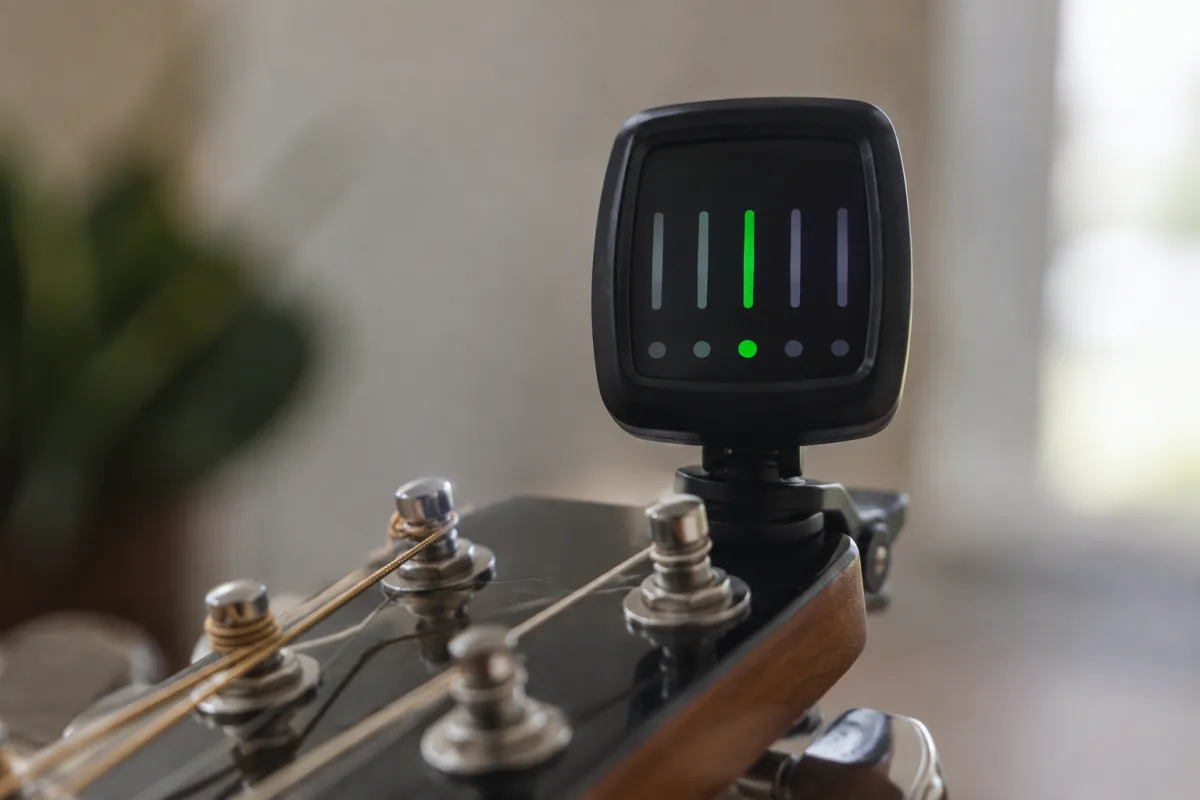
Buying a polyphonic tuner means understanding what "polyphonic" means and whether you actually need that capability. A polyphonic tuner can read multiple notes simultaneously—handy for guitarists checking all six strings at once, or for ensemble musicians who need to tune quickly. However, not all polyphonic tuners work equally well, and many include unnecessary features that inflate the price. This buying guide focuses on the practical specifications that matter, the differences between models, and how to choose the right polyphonic tuner for your actual needs without overspending.
What Polyphonic Tuning Actually Means
A polyphonic tuner listens to multiple strings or notes played simultaneously and displays the tuning status of each one on the screen. For example, if you play all six strings on a guitar at once, a polyphonic tuner shows which strings are in tune, which are flat, and which are sharp—all at the same time. This differs from traditional tuners, which work on one note at a time. The advantage is speed: instead of tuning each string individually, a guitarist can play all strings and see all tuning information instantly.
However, polyphonic tuning has limitations. The tuner must be able to distinguish between individual notes being played simultaneously—a challenge in noisy environments. Polyphonic tuners are typically less accurate than single-note tuners in loud venues or when multiple instruments play nearby. Understanding this trade-off is essential for choosing the right model.
Accuracy: The Critical Specification
Polyphonic tuners vary significantly in accuracy, measured in cents (1 cent = 1/100th of a semitone). A quality polyphonic tuner achieves ±1 cent accuracy or better. Budget models sometimes claim accuracy but actually deliver ±3–5 cents, which sounds in-tune to casual ears but isn't truly accurate for gigging musicians. Check the manufacturer's specifications carefully—if accuracy isn't listed, the tuner is probably not high-quality.
Accuracy matters more than speed. A polyphonic tuner that takes an extra second to lock onto each note but delivers ±0.5 cent accuracy is far superior to one that claims instant polyphonic tuning but delivers ±5 cent accuracy. For gigging musicians and professionals, spend for accurate tuners even if they cost more.
Display Types and ReadabilityPolyphonic tuners come with different display technologies. LED-based tuners show tuning data using illuminated dots or bars—clear in bright light, sometimes harder to read in dim stage lighting. LCD or OLED screens provide better contrast and readability in various lighting conditions. Colour displays (common in modern tuners) make it easier to identify which strings need adjustment at a glance.
If you perform in varied lighting conditions—from brightly lit stages to dimly lit venues—prioritise a tuner with LCD or OLED display and good contrast ratio. This single feature dramatically improves usability in real-world gigging situations. Test display visibility in-store before buying, especially if you perform regularly.
Input Methods: Mic, Instrument Jack, or Both
Polyphonic tuners use different input methods. Instrument input jacks (typically 1/4" or 3.5mm connectors) are standard and most reliable for wired instruments. Built-in microphones let you tune without cables, useful for acoustic instruments. Some tuners offer both input options—flexibility for different instruments and situations.
Microphone-based polyphonic tuning works moderately well for acoustic guitars but struggles in noisy environments. If you primarily play electric instruments, instrument input is more reliable. For acoustic instruments in quiet practice spaces, microphone input suffices. In live venues with stage noise, a direct instrument connection always outperforms microphone input. Choose based on your primary use case.
Speed and Response Time
When you play your instrument, a polyphonic tuner needs to lock onto your note and display tuning information. Faster response times (typically under 500ms) feel snappier and are more forgiving if you change strings quickly. Slower tuners (over 1 second) feel laggy and frustrating in live situations where you're rapidly checking tuning between songs.
Response time becomes especially important for stage use. A tuner that pauses noticeably between note detection disrupts your workflow. Test response time in-store if possible; if not, check professional reviews that specifically mention speed and responsiveness in real-world playing.
Display Format: String-Based vs. Note-Based
Some polyphonic tuners display results as specific strings (e.g., "String 1: sharp," "String 2: flat"). Others show raw notes and how far off they are from proper pitch. String-based displays are faster for guitarists but less flexible for different instruments or alternate tunings. Note-based displays offer flexibility but require mental translation. If you mostly play one instrument in standard tuning, string-based display is faster. If you switch between instruments or use alternate tunings, note-based display provides more information.
Size, Weight, and Portability
Polyphonic tuners designed for stage use are typically compact (roughly a smartphone size or smaller) and lightweight. Desktop models offer larger screens but sacrifice portability. If you gig regularly or travel with your instrument, a handheld polyphonic tuner (weighing under 300g) is essential. If the tuner primarily stays in your practice space, a slightly larger model is acceptable.
Check connector type compatibility. Some polyphonic tuners use proprietary cables or unusual connectors. Standard 1/4" instrument jacks and 3.5mm audio inputs offer maximum compatibility across different instruments and venues.
Price Tiers and What They Represent
Budget polyphonic tuners (£15–40) offer basic functionality but often sacrifice accuracy, display quality, or response time. Mid-range tuners (£40–100) deliver solid accuracy, good display visibility, and fast response—worthwhile for gigging musicians and serious practitioners. Premium polyphonic tuners (£100–250+) add advanced features like wireless connectivity, metronome functions, or professional-grade accuracy specs.
For most musicians, a £50–80 polyphonic tuner offers the best value—accurate enough for professional use, responsive enough for stage gigging, and built durably enough to last years. Avoid overspending on features you won't use (wireless, metronome, recording functions) unless they genuinely suit your playing style.
Key Features to Prioritise
When comparing polyphonic tuners, focus on: accuracy (±1 cent or better), display visibility in various lighting, fast response time (under 500ms), and instrument input compatibility. Everything else—metronome, recording functions, wireless connectivity—are nice additions but not essential for quality tuning. Tuners overloaded with features often sacrifice core tuning performance.
Common Pitfalls in Polyphonic Tuner Buying
Don't assume polyphonic capability automatically makes a tuner better than single-note tuners. Some musicians find single-note tuners more practical for live use because they're faster and more accurate. Polyphonic tuning is valuable for initial setup checks (tuning all strings simultaneously before gigging) but less practical for constant tuning during performance.
Another pitfall: buying based on brand name alone. Lesser-known brands sometimes deliver superior polyphonic tuning performance compared to established names, often at lower cost. Read professional reviews and user feedback specifically mentioning polyphonic accuracy and stage usability, not just brand recognition.
Comparing Single-Note vs. Polyphonic Tuning
Single-note tuners often outperform polyphonic tuners in accuracy and response time because they focus all processing power on one note at a time. Polyphonic tuners sacrifice some accuracy to handle multiple simultaneous notes. For professional gigging musicians, a high-accuracy single-note tuner sometimes outperforms a budget polyphonic model. Test both types if possible; your actual playing style and venue conditions determine which suits you best.
Durability and Warranty
A polyphonic tuner is a long-term investment. Look for tuners with solid construction, shielded connectors (protecting against interference), and clear warranty coverage. Tuners used regularly in live venues experience more wear than studio-only models. A £15 tuner that fails after two gigs costs more than a £60 tuner lasting five years. Invest in durability.
Testing Before Purchase
If possible, test a polyphonic tuner in-store with your own instrument. Check display visibility, response speed, and polyphonic accuracy by playing all strings simultaneously. Listen to how the tuner sounds (some emit annoying high-pitched beeps). Confirm connector compatibility with your specific instruments. Ten minutes of testing saves months of regret after purchase.
Making Your Final Choice
Choose a polyphonic tuner that prioritises accuracy and response speed over features. Look for ±1 cent or better accuracy, sub-500ms response time, and display visibility suitable for your primary performance environment. Test models in-store if possible, and read professional reviews emphasising real-world stage performance. For comprehensive information about polyphonic tuner options and alternatives, explore our complete guide to polyphonic tuners, which covers the full range of tuner types and tuning strategies for different instruments and performance situations.


Comments