


Pedal Tuner Boss Buying guide
Pedal Tuner Boss: A Complete Buyer's Guide
Investing in a Boss pedal tuner benefits guitarists with pedalboards requiring reliable, convenient tuning. This guide explores models, features, durability, and helps you decide if a pedal tuner boss serves your performance setup.
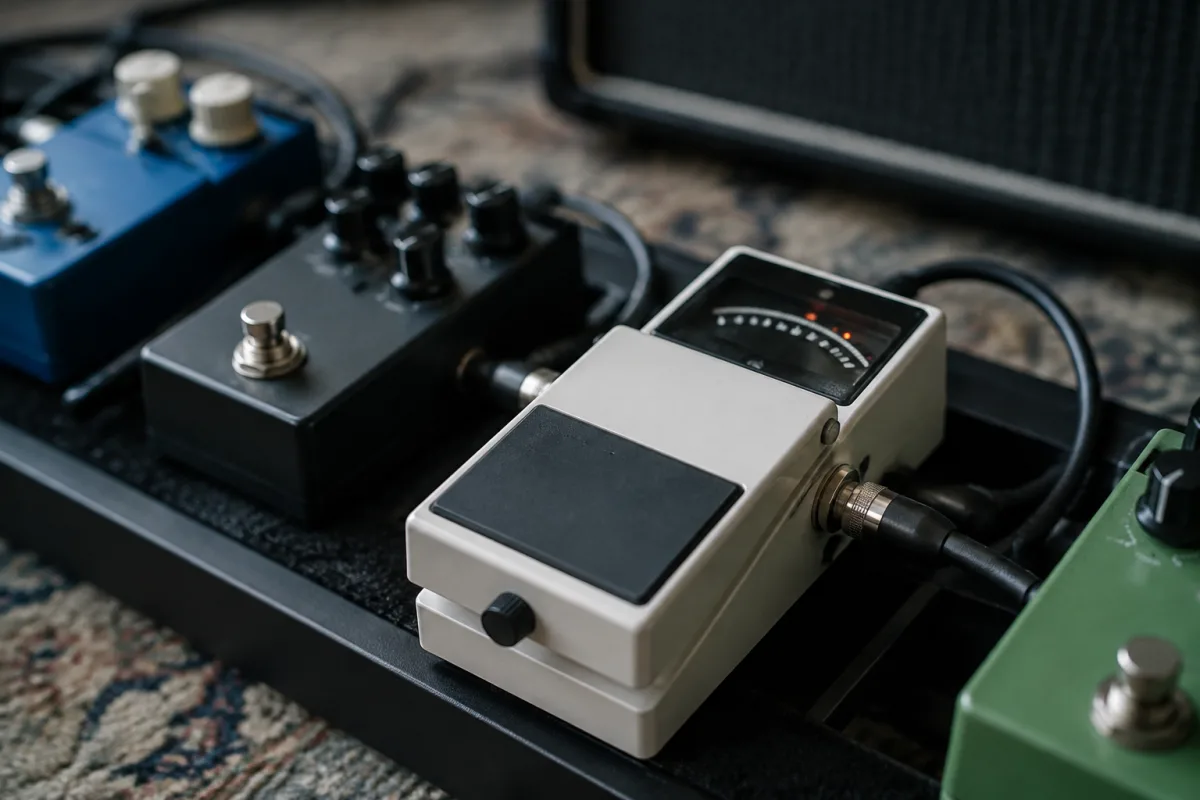
Investing in a Boss pedal tuner represents a practical upgrade for guitarists and bassists maintaining pedalboards, where traditional clip-on tuners or standalone devices prove inconvenient during live performance. A Boss pedal tuner integrates directly into your signal chain, enabling quick, discreet tuning between songs without stopping to extract separate equipment. This buying guide examines the practical factors determining whether a Boss pedal tuner genuinely improves your setup, explores the different Boss pedal tuner models available, evaluates features justifying premium pricing, and helps you choose the right pedal tuner matching your playing demands and budget. You'll learn what distinguishes quality Boss pedal tuners, how accuracy affects your actual performance, and whether this investment genuinely serves your needs.
Understanding When a Boss Pedal Tuner Makes Sense
A Boss pedal tuner benefits primarily pedalboard musicians—players with multiple effects integrated into a unified signal chain. For these performers, a pedal tuner eliminates constant unplugging and searching for tuning devices; accessing tuning simply means pressing a footswitch. Gigging musicians, session players, and rehearsal-intensive performers gain most from Boss pedal tuner integration because frequent string-bending and playing stress demands rapid re-tuning between songs or sections.
Conversely, casual home players, acoustic guitarists without pedalboards, or musicians using stand-alone amplifiers might find Boss pedal tuner expense unjustified. A Boss pedal tuner occupies valuable pedalboard real estate; minimalist setups might better serve specific functions through compact clip-on alternatives. Before committing to Boss pedal tuner investment, assess whether your actual playing frequency and setup complexity genuinely justify dedicated tuning hardware.
Boss Pedal Tuner Model Overview and Specifications
Boss produces several dedicated pedal tuner models, each with distinct characteristics addressing different player needs. The TU-3 represents the current standard Boss pedal tuner—a robust, reliable tuning device offering accurate chromatic tuning alongside additional tuning modes (various open tunings, alternative tunings) useful for experimental players. The TU-3 Boss pedal tuner delivers solid value at mid-range pricing, making it the most popular choice across player demographics.
Older TU-2 models (discontinued but available used) perform identically to modern TU-3 standards; used TU-2 Boss pedal tuner options often represent exceptional value for players unconcerned about latest features. If purchasing used, TU-2 and TU-3 models prove reliable and durable; both deserve serious consideration for budget-conscious buyers.
The compact TU-10 Boss pedal tuner offers reduced footprint and simplified controls, appealing to players with tight pedalboard space or minimal tuning complexity requirements. The TU-10 costs less than full-featured alternatives whilst delivering accurate, straightforward chromatic tuning; its trade-off involves fewer alternative tuning modes and simplified interface.
Key Features Worth Evaluating in Boss Pedal Tuners
Tuning accuracy directly affects whether a Boss pedal tuner serves performance reliability or creates frustration. Boss pedal tuners offer tuning accuracy within ±2 cents—essentially imperceptible to human hearing—across all models. This accuracy standard means feature differences rather than precision variations distinguish Boss pedal tuner models.
Tuning mode diversity addresses different musical contexts. A basic Boss pedal tuner offering only chromatic tuning requires manual pitch adjustment; models offering preset open tunings (E, D, Dadgad, etc.) enable rapid switching. This feature matters genuinely for players regularly shifting between tuning systems; traditional tuning players rarely need extensive alternative tuning menus.
Input impedance affects Boss pedal tuner performance when placed at different pedalboard positions. Boss pedal tuners feature high input impedance (1 megohm), meaning they don't noticeably degrade tone or signal regardless of pedalboard placement. This technical specification proves practically valuable because it eliminates placement anxiety—your Boss pedal tuner functions optimally anywhere in your chain.
True bypass versus buffered bypass architectures create subtle differences worth understanding. Most modern Boss pedal tuners offer true bypass, meaning when switched off, they completely remove themselves from your signal path. True bypass prevents signal loss with extensive pedalboards; buffered alternatives can introduce marginal benefits or degradation depending on specific pedalboard composition. Either architecture performs adequately for most players.
Display Quality and Brightness Considerations
Boss pedal tuner display brightness dramatically affects real-world usability in different lighting situations. Outdoor performances under bright sunlight can render dim tuner displays nearly invisible; indoor venues with stage lighting similarly challenge some tuner readability. Boss pedal tuner models feature relatively bright LED displays suitable for most performance environments, but bright outdoor daylight situations occasionally present challenges.
Some Boss pedal tuner competitors offer additional display features (needle indicators, graphic displays) providing marginally clearer feedback; Boss's straightforward LED approach sacrifices marginal visual elegance for proven reliability and battery longevity. Evaluate display brightness by testing in your actual performance venues before committing to Boss pedal tuner purchase.
Build Quality and Durability Expectations
Boss pedal tuners built reputation on exceptional durability—these devices withstand years of consistent stomping without mechanical failure or electronic degradation. The metal chassis construction, robust switchgear, and sealed electronics enable Boss pedal tuner longevity remarkable compared to many competing brands. Most Boss pedal tuner units purchased decades ago remain functional today, suggesting your investment will serve reliably for years.
Battery life on Boss pedal tuners typically spans 40–60 hours per four AA battery set—roughly equivalent to 2–3 months of consistent gigging. Alternatively, Boss pedal tuners accept standard 9V power supplies, enabling pedalboard integration into existing power distribution systems. This flexibility means you rarely face battery concerns; either replace batteries infrequently or integrate into standardised power management.
Comparing Boss Pedal Tuner Prices and Value Propositions
New Boss pedal tuner models (TU-3, TU-10) typically retail between £70–£120 depending on specific model and retailer. This pricing positions Boss pedal tuners at mid-range compared to boutique alternatives (£200+) and budget competitors (£30–£50). The price-to-longevity ratio strongly favours Boss pedal tuners; these devices represent sensible investments providing years of reliable performance.
Used Boss pedal tuner equipment frequently sells between £50–£80, offering meaningful savings compared to new retail pricing. Because Boss pedal tuners rarely fail mechanically, used models deliver confidence equivalent to new purchases; the only potential concern involves battery contacts oxidation from age. Test functionality thoroughly before purchasing used Boss pedal tuners, but expect reliable performance regardless.
Pedalboard Integration and Practical Placement Considerations
Most Boss pedal tuners occupy roughly 6 inches (15cm) of pedalboard linear space—considerable commitment on compact boards but manageable on standard musician setups. Placement near the front of your signal chain (before drives, reverbs, delays) proves most convenient; you access tuning with minimal gear removal. However, Boss pedal tuner true bypass means placement rarely affects your tone, enabling flexibility positioning based on pedalboard space availability.
Power distribution on modern pedalboards often employs centralised 9V supply systems. Connecting your Boss pedal tuner to these standardised supplies eliminates battery concerns entirely, enabling indefinite gigging without maintenance. If using battery power, budget approximately £10–£15 annually for periodic battery replacement—manageable expense relative to performance reliability benefits.
Making Your Boss Pedal Tuner Purchasing Decision
Before investing, answer five questions about your specific situation. First: do you maintain an active pedalboard, or would standalone tuning equipment serve your needs better? Second: how frequently do you gig or perform, creating demand for rapid mid-performance tuning access? Third: do you require extensive alternative tuning options, or does straightforward chromatic tuning suffice? Fourth: can you justify pedalboard space allocation for dedicated tuning hardware? Fifth: does your budget accommodate mid-range Boss pedal tuner investment, or should you explore budget alternatives?
For comprehensive background on guitar tuning systems, alternative tuning applications, and pedalboard design philosophies, explore our complete guide to pedal tuner boss.
Conclusion: Evaluating Your Boss Pedal Tuner Investment
A Boss pedal tuner represents genuine value for pedalboard musicians whose playing demands frequent, convenient tuning access. The durability, accuracy, and proven reliability make Boss pedal tuners sensible long-term investments; most players purchasing Boss pedal tuners 10–15 years ago still use them reliably today. However, assess your actual performance demands honestly; casual home players, acoustic specialists, or musicians without pedalboards often find alternative tuning approaches more practical. The best Boss pedal tuner purchase is one matching your genuine playing requirements, not one driven by gear enthusiasm alone.



Comments