


Tuner Fork Buying guide
Tuner Fork: A Complete Buyer's Guide
Choosing a tuner fork requires understanding reference pitches, material quality, and accuracy specifications. This buying guide covers single-note vs multi-note tuner forks and helps you select the right one.
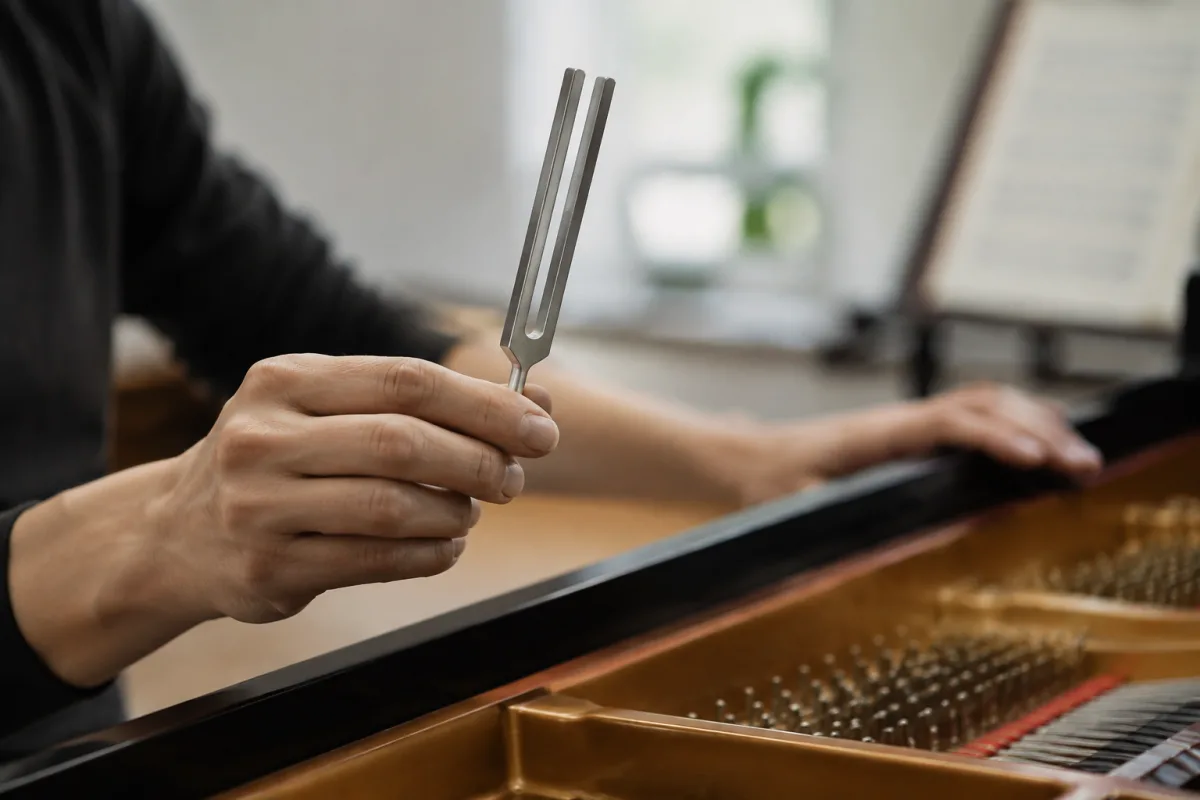
A tuner fork is one of the simplest and most affordable tools for tuning acoustic instruments, yet many musicians buy the wrong one. Whether you're a beginner violinist, a classical guitarist, or a ukulele player, choosing the right tuner fork can mean the difference between consistently accurate tuning and frustrating pitch mismatches. This buying guide focuses entirely on the practical side: what types of tuner forks exist, which specifications matter, what to check when purchasing, and which models offer genuine value for different instruments and budgets.
Understanding Tuner Fork Basics
A tuner fork is a metal instrument that vibrates at a specific frequency when struck, producing a reference pitch for tuning. Unlike electronic tuners, a tuner fork requires your ear to match the pitch—you strike the tuner fork and listen, comparing its tone to your instrument's note. This simplicity is both strength and weakness: a tuner fork costs next to nothing but demands developed listening skills. A quality tuner fork remains accurate indefinitely, whereas electronic tuners need batteries and recalibration.
Tuner forks come in single-note and multi-note varieties. A standard tuner fork produces one specific note (usually A440 Hz), whilst multi-note tuner fork sets contain multiple forks for different reference pitches. Your choice between these tuner fork types depends on your instrument and tuning experience.
Tuner Fork Types and Applications
Different instruments require different tuner fork specifications. Understanding tuner fork types helps you buy the correct one:
- Standard A440 Tuner Fork: The most common tuner fork produces A at 440 Hz, the standard concert pitch. Any musician can use this tuner fork as a reference for tuning. If you buy only one tuner fork, the A440 tuner fork is the universally useful choice.
- C Middle-C Tuner Fork: This tuner fork produces middle C (261.63 Hz) and works well for pianists and singers. Some musicians prefer a middle-C tuner fork because the note sits in a comfortable register for vocalists. A C tuner fork can also reference other notes through relative pitching.
- Viola Tuner Fork: Specifically designed for violas, this tuner fork produces C at 261.63 Hz but is sometimes built with slightly heavier weight for different acoustical properties. A viola tuner fork serves viola players and some cellists.
- Tuner Fork Sets: Multi-note tuner fork sets contain four or more forks covering a range of pitches. These tuner fork sets suit orchestral musicians and people who play multiple instruments. Tuner fork sets cost more but eliminate the need to buy individual tuner forks.
Your instrument's tuning range determines which tuner fork suits you best. A guitar tuner fork differs conceptually from a violin tuner fork only in the reference pitch—both serve the same purpose.
Specifications When Buying a Tuner Fork
Quality varies dramatically in tuner forks. When buying, focus on these key specifications:
- Frequency Accuracy: A quality tuner fork maintains accuracy within 1–2 cents (1% of a semitone). Cheap tuner forks can drift significantly, especially after drops or heavy use. Always verify that your tuner fork claims precision accuracy before purchasing.
- Material Quality: Steel tuner forks maintain accuracy better than aluminium or brass alternatives. A good tuner fork feels substantial and damped—it vibrates briefly then stops cleanly. Cheap tuner forks ring excessively or fade irregularly, making them unreliable.
- Handle Style: Tuner forks come with various handles. A solid wooden handle tuner fork is traditional; plastic-handled tuner forks are cheaper but less durable. The handle affects how the tuner fork vibrates—some designs reduce hand transmission of vibration, keeping the tone purer.
- Mounting Options: Some tuner forks include mounting brackets or stands allowing you to place them on a table and listen. If you play with both hands, a mounted tuner fork is valuable. Standard handheld tuner forks work for most musicians.
- Frequency Range: Specialty tuner forks cover different ranges. A general A440 tuner fork works universally; specialty tuner forks (like very low bass tuner forks for bass guitars) have narrower applications. Buy specialty tuner forks only if you play instruments requiring them.
Price Tiers for Tuner Forks
Budget tuner forks (under £5) are entry-level plastic-handled instruments often found in beginner music kits. A budget tuner fork works for casual musicians but may lack accuracy and durability. Don't buy a cheap tuner fork if you play seriously or professionally.
Mid-range tuner forks (£5–£15) offer good value. A solid steel mid-range tuner fork with a wooden handle from a reputable music brand maintains accuracy and lasts years with proper care. Most musicians find satisfaction in this tier.
Premium tuner forks (£15–£30) feature superior materials, precision calibration, and sometimes mounting hardware. Professional orchestral musicians and serious amateurs invest in premium tuner forks for reliability.
Specialty tuner fork sets (£25–£60) containing multiple forks for different instruments serve multi-instrumentalists. A good tuner fork set eliminates buying individual tuner forks, though the cost is higher upfront.
Common Mistakes When Buying a Tuner Fork
Musicians frequently make these purchasing errors with tuner forks:
- Buying without verifying accuracy: Not all tuner forks are created equal. Always check the specifications before buying a tuner fork. Accuracy within 1–2 cents is essential; anything worse wastes your money.
- Choosing wrong reference pitch: Some musicians buy a C tuner fork when they need A440, or vice versa. Know which pitch your instrument requires before buying a tuner fork. If unsure, an A440 tuner fork is the safest universal choice.
- Neglecting durability: Cheap tuner forks crack or lose accuracy after drops. Buy a metal tuner fork, not plastic. A quality tuner fork withstands years of use—the small extra investment pays off through reliability.
- Ignoring portability needs: If you gig frequently, buy a tuner fork with a protective case or pouch. A bare tuner fork easily gets damaged in a musician's bag. Some tuner forks come with cases; check before purchasing.
- Over-investing in features you won't use: A basic A440 tuner fork serves most musicians perfectly. Expensive specialty tuner fork sets are only necessary if you play multiple orchestral instruments. Don't overspend on features you won't utilise.
Caring for Your Tuner Fork
Proper tuner fork maintenance preserves accuracy. Never strike a tuner fork against hard objects—use a small rubber mallet or soft implement instead. Store your tuner fork in a case or pouch to prevent dents and damage. Avoid temperature extremes; tuning fork accuracy can shift in very hot or cold conditions. A well-maintained tuner fork remains accurate for decades.
Electronic vs. Acoustic Tuner Forks
Electronic tuning devices have become common, but acoustic tuner forks retain advantages. A traditional tuner fork costs £3–£20 and requires no batteries. Electronic tuners cost £5–£30+ and need batteries or charging. For backup tuning or practice without electricity, a tuner fork is invaluable. Many professional musicians carry both—a tuner fork for absolute reliability and an electronic tuner for speed and convenience.
Conclusion
Buying the right tuner fork means understanding your instrument's reference pitch, choosing between single-note and multi-note options, and prioritising material quality and accuracy. Invest at least £8–£12 in a solid steel tuner fork with a wooden handle from a reputable music brand. An A440 tuner fork serves most musicians universally; specialists can buy tuner forks for specific instruments later. Keep your tuner fork protected in a case, and strike it gently with a soft implement to preserve accuracy. For more context on the history of tuner forks, how they fit into modern tuning systems, and their role in music education, explore our comprehensive guide to tuner forks and their importance in musical practice.


Comments