


Taylor Nylon String Guitar Buying guide
Taylor Nylon String Guitar: A Complete Buyer's Guide
Taylor nylon string guitars offer quality and consistency across multiple price points. This comprehensive guide helps you evaluate Taylor models and select one matching your playing style and budget.
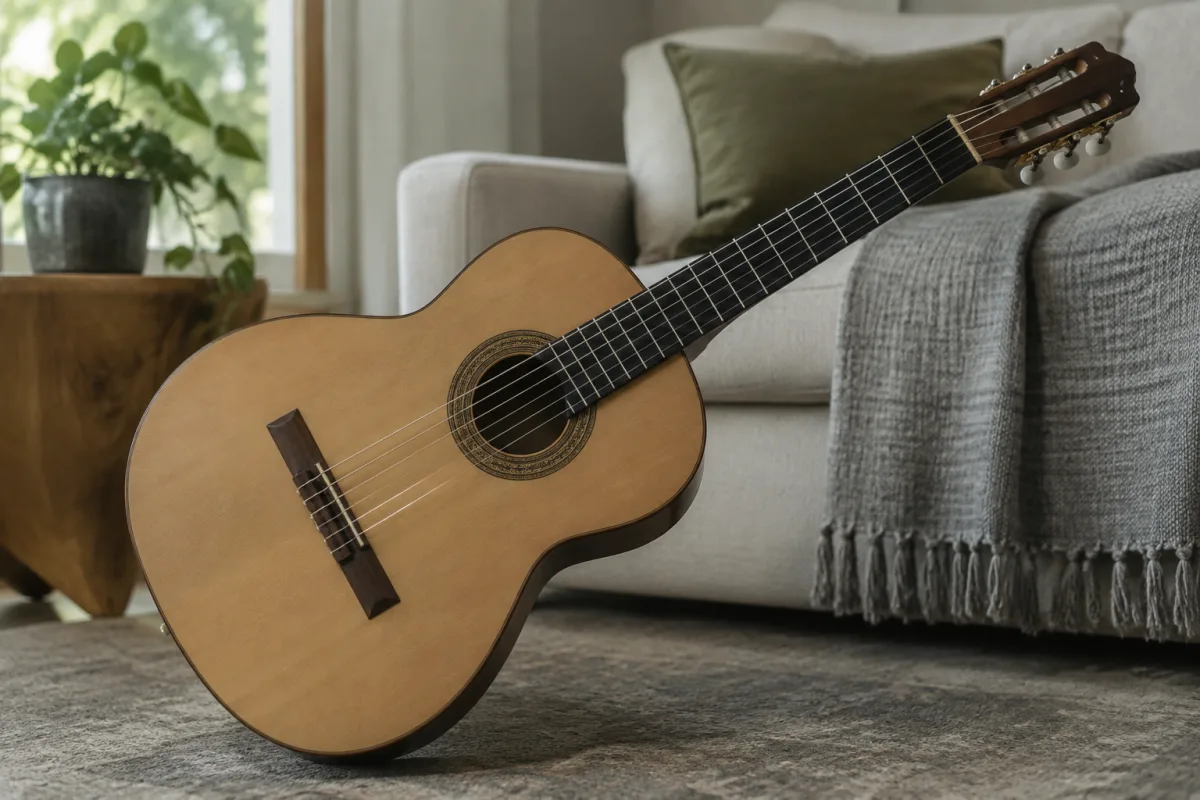
Taylor nylon string guitars represent a significant investment in quality classical and fingerstyle playing. Whether you're upgrading from a student model or beginning serious nylon-string exploration, understanding what distinguishes Taylor models helps ensure your purchase delivers genuine musical value. This guide cuts through marketing claims to show you what actually matters when selecting a Taylor nylon string guitar.
Understanding Taylor's Nylon String Guitar Approach
Taylor has built a reputation for consistency and quality across their instrument lines. Taylor nylon string guitars apply the company's construction philosophy to classical instruments—precision manufacturing, quality wood selection, and attention to playability. Before purchasing a Taylor nylon string guitar, clarify whether you want a traditional classical concert instrument or a more modern hybrid design. Taylor offers both, and they serve different purposes.
Key Specifications When Evaluating a Taylor Nylon String Guitar
Understanding technical details helps you compare models and predict performance in your hands.
Body Size and Design
Taylor nylon string guitar models range from parlour-size (smaller, more portable) to concert-size (full projection). Larger Taylor nylon string guitars project more volume and develop richer low-end; smaller models offer portability and lighter playing feel. Check whether you prefer traditional classical proportions or Taylor's modern hybrid designs. Hybrid models often feature more projection and brighter tone than traditional classical guitars of similar size.
Wood Selection and Tonal Character
A Taylor nylon string guitar's tone depends heavily on top and back wood. Spruce tops (most common) produce bright, articulate tone; cedar tops sound warmer and mellower. Back and side woods affect overall resonance and sustain. Higher-end Taylor nylon string guitars use premium tonewoods with visible figuring; budget models use plain or laminated woods. Tonal differences between entry and premium models are significant and obvious when played side by side.
Build Quality and Construction Details
Taylor maintains consistent build quality across price points, though premium Taylor nylon string guitars feature more attention to detail and finer wood selection. Examine fret quality, binding consistency, and whether the finish is flawless. Quality construction on a Taylor nylon string guitar means fewer maintenance issues and more reliable playability over years of use.
Electronics and Amplification Options
Some Taylor nylon string guitars include built-in pickups and preamps for amplified performance. This adds cost but enables gigging without microphone complications. Check whether you need amplification capability or prefer a purely acoustic instrument. Professional performers often appreciate the amplification option; casual players rarely need it.
Action and Playability
Nylon strings require higher action than steel-string guitars to prevent fret buzz. Verify that a Taylor nylon string guitar's action suits your hand size and playing style. Check neck straightness and fret quality. A properly set up Taylor nylon string guitar requires minimal finger strength compared to steel-string instruments, which matters if hand strength is a consideration.
Taylor Nylon String Guitar Models: Price Tier Overview
| Price Range | Typical Features | Best For |
|---|---|---|
| £600-1000 | Entry-level Taylor nylon string guitar. Solid tops, laminated backs, basic finishing. Reliable playability and tone. | Beginners and casual players. Solid introduction to quality instruments without premium pricing. |
| £1000-1800 | Mid-range Taylor nylon string guitar. Solid top and back, better wood selection, enhanced finishing details. | Serious students and intermediate players. Best value for genuine quality and tonal development. |
| £1800-3500 | Premium Taylor nylon string guitar. All-solid woods, premium tonewood selection, professional-grade finishing. | Advanced players and professional performers. Instruments suitable for concert venues and recording. |
| £3500+ | Concert-grade Taylor nylon string guitars. Master-level construction, exceptional tonewoods, bespoke options. | Professionals, collectors, and players demanding absolute top-tier instruments. |
Common Pitfalls When Purchasing a Taylor Nylon String Guitar
Avoid these mistakes:
- Assuming higher price always means better sound: Within the Taylor nylon string guitar range, differences are often subtle. Higher prices reflect superior woods and finishing details rather than dramatically different playability. Test models carefully rather than assuming premium automatically means better.
- Buying a Taylor nylon string guitar without playing it: Tonal preferences are deeply personal. A guitar that sounds perfect to one player might not suit another. Always test in person if possible. Online retailers offering return windows enable real-world testing.
- Neglecting humidity and climate control: Nylon-string guitars are sensitive to humidity changes. Your Taylor nylon string guitar requires stable environment to maintain playability. Budget for humidification and climate control if necessary.
- Ignoring setup and maintenance costs: A Taylor nylon string guitar might need professional setup adjustments. Budget £100-200 for initial setup. Annual humidity checks and maintenance cost £50-100 per year.
- Overvaluing brand reputation over playability: Taylor makes excellent guitars, but other manufacturers offer comparable quality. Focus on how the specific Taylor nylon string guitar feels and sounds rather than brand alone.
New vs Used: Making the Right Decision
Used Taylor nylon string guitars often sell at 30-50% discounts from retail pricing. Quality instruments age gracefully if maintained properly. Inspect used examples carefully for cracks (especially around the sound hole), damage to the finish, and hardware wear. Ask about humidity history—guitars stored in unstable humidity develop problems. A well-maintained used Taylor nylon string guitar offers exceptional value; a neglected one requires expensive repairs.
Testing and Evaluation Process
When testing a Taylor nylon string guitar, play it for at least 10-15 minutes. Listen to how the tone develops over time. Check sustain and resonance across all registers. Play simple melodies to assess playability. Sit comfortably—a Taylor nylon string guitar should rest naturally on your left leg. Evaluate whether the neck width and action suit your hands. Only after thorough testing should you commit to purchase.
For comprehensive information on Taylor nylon string guitars and their characteristics, see our complete guide to Taylor nylon string guitars.
Making Your Final Decision
Define your primary goal: casual playing, serious study, or professional performance. Research Taylor nylon string guitar models matching that goal. Prioritise sound and playability over features. Test thoroughly before purchasing. Consider whether you need amplification capability. Set a realistic budget—mid-range Taylor nylon string guitars (£1000-1800) offer the best value for players seeking genuine quality without wasteful premium pricing. Trust your ears and hands over marketing and brand reputation alone.
Final Recommendation
Taylor nylon string guitars consistently deliver quality and playability. Entry and mid-range models represent excellent value for serious players. Premium models suit professionals and players demanding absolute top-tier instruments. Choose based on actual budget, intended use, and how specific models feel under your hands. A properly maintained Taylor nylon string guitar serves beautifully for decades, making the investment worthwhile when chosen thoughtfully.



Comments