


Cordoba Nylon String Guitar article
Cordoba Nylon String Guitar for Beginners: A Complete Guide
Cordoba nylon string guitars welcome beginners with warm tone, gentle strings, and quality craftsmanship. Start acoustic guitar the right way.
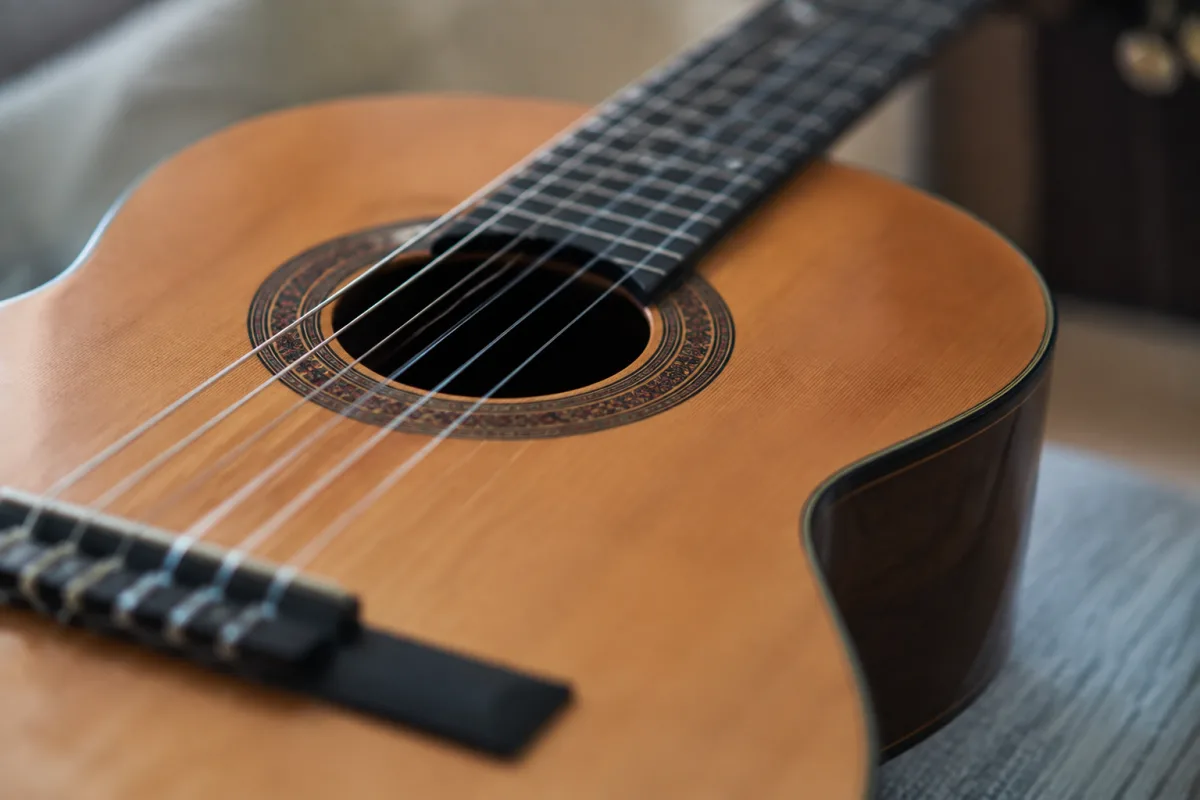
A Cordoba nylon string guitar is a genuinely welcoming entry point for acoustic guitar beginners. Cordoba specialises in classical and flamenco-inspired designs with quality that typically exceeds other beginner guitars at similar prices. If you're imagining starting acoustic guitar but worried about finger soreness, struggling with steel-string tension, or just wanting a warm, rich tone from day one, a Cordoba nylon guitar removes barriers and lets you focus on learning.
Why Nylon Strings Matter for Beginners
Nylon strings are softer and more flexible than steel strings. Your fingertips will still develop calluses (this is normal and quick), but they won't ache as intensely as with steel strings. Nylon is genuinely gentler in your first week. Additionally, nylon produces a warm, rounded tone that sounds musical from the moment you pick up the guitar. A beginning player gets encouraging, pleasant sounds while learning, not the brittle, thin tones that frustrate some who start on steel-string acoustics.
Cordoba's Philosophy and Design
Cordoba guitars are built by Spanish luthiers with centuries of classical guitar tradition. Every model (even budget ones) is designed with care toward tone, playability, and longevity. Entry-level Cordoba guitars cost £150–£300 and sound, feel, and play better than guitars costing twice as much from budget brands. You're getting genuine craftsmanship, not just a cheap instrument with a recognisable name.
Body Shape and Comfort
Cordoba nylon guitars typically feature the classical guitar body: a rounded, symmetrical shape with a wider waist than steel-string acoustics. This shape is comfortable when played sitting (the traditional classical posture) and distributes weight evenly across your lap and body. The body size is slightly smaller than dreadnought steel-strings, making them approachable for players with smaller frames or shorter arms. If you're a petite adult or a young teenager, this is genuinely relevant and liberating—you won't feel like you're fighting the instrument's size.
Neck and Fretboard
Cordoba necks are typically slightly wider than steel-string guitars (about 50–52 mm at the nut compared to 42–45 mm on a steel-string). This spacing sounds wide initially but actually helps beginners: your fingers have more room, making individual string picking clearer and reducing accidentally muting adjacent strings. The wider neck also means less hand cramping when forming chords. Classical fretboards often have no fret markers (inlays), which looks purist but takes time to adjust to. Many Cordoba entry models include simple dot inlays for practical reference—a useful compromise.
Action and Playability
Action (the height of strings above the fretboard) on Cordoba guitars is typically lower than steel-string acoustics, requiring less finger pressure to form notes. Nylon strings are naturally more forgiving of imperfect finger placement. Together, these mean less hand fatigue whilst learning. You can practise longer without discomfort, which accelerates skill development. After a few weeks, your hands strengthen and you barely notice the difference, but early comfort is genuinely motivating.
Sound Character and Tone Development
Cordoba guitars produce warm, mellow tones with natural resonance. In classical and flamenco repertoire, this character is essential. For contemporary styles (folk, singer-songwriter, fingerstyle), the warm tone is equally charming, just different from brighter steel-string acoustics. Your ear quickly adjusts, and most beginners find the rich tone more inspiring than the bright, thin sounds of cheaper guitars. Playing songs sounds genuinely musical rather than tinny.
Learning Path: Classical vs. Fingerstyle
Nylon guitars traditionally use fingerstyle technique (plucking individual strings with your fingernails or fingertips, not a pick). Classical guitar studies develop this technique formally. You don't need formal training; many fingerstyle players learn intuitively. However, if you're drawn to classical or flamenco music, a Cordoba guitar invites you into those traditions naturally. If you prefer strumming and contemporary styles, a Cordoba still works—use a pick if you prefer, though fingerstyle is worth exploring even if not your primary technique.
First Songs and Quick Progress
Beginner classical guitar repertoire (simple folk arrangements, "Romance Anónimo," basic flamenco patterns) sounds genuinely beautiful on a Cordoba. You'll be playing recognisable pieces within two to three weeks of consistent practise. This early success with the instrument sounding good is genuinely motivating and builds confidence faster than struggling with a cheap guitar that sounds unconvincing.
Maintenance and Durability
Nylon strings stretch and flatten relatively quickly compared to steel strings. You'll replace them more frequently, but they're inexpensive (£5–£15 per set). Beyond string replacement, Cordoba guitars require minimal maintenance: occasional cleaning and the occasional truss rod adjustment if neck relief changes (uncommon in quality instruments). Nylon doesn't corrode or oxidise like steel, so the guitar stays more stable in variable humidity. They're genuinely low-maintenance instruments.
For a comprehensive overview of Cordoba nylon string guitars and their place in classical and fingerstyle traditions, see the complete guide to Cordoba nylon string guitar. A Cordoba nylon guitar removes barriers for acoustic beginners and sounds genuinely inspiring from your first day of learning.
Frequently Asked Questions
Is a Cordoba nylon guitar suitable for a complete beginner?
Absolutely. Nylon strings are gentler on your hands, the wider neck gives you space, the lower action reduces finger pressure, and the warm tone sounds musical from day one. You're not sacrificing anything by starting with nylon; you're choosing an instrument that welcomes beginners.
Do I have to learn classical technique on a Cordoba?
No. While classical technique suits the guitar, many players use picks and play contemporary styles on Cordoba guitars. The warm tone works across folk, singer-songwriter, and fingerstyle genres. Your learning style is your choice; the guitar doesn't force any particular direction.
Will my fingertips hurt when learning?
Yes, initially—this happens with any guitar. Nylon strings hurt less than steel strings. Within your first week, your fingertips begin forming protective calluses. By week two, soreness is minimal. By week four, you barely feel it. This is normal and necessary; the calluses enable speed and precision later.
Can I play rock music or strumming songs on a Cordoba?
Yes. The warm tone suits soft rock, folk, and singer-songwriter styles beautifully. Some styles that demand bright, percussive tone (aggressive rock, intense fingerpicking) showcase steel-string guitars better. But Cordoba guitars are genuinely versatile—most contemporary acoustic music sounds wonderful on them.
How much does a beginner Cordoba guitar cost?
Entry-level models start around £150–£250. These are genuine Cordoba quality, not budget re-brands. They're more expensive than the cheapest guitars but offer far better value and longevity. The investment pays for itself through durability and inspiration.
Do I need to buy anything else with the guitar?
A strap and stand are useful (£15–£30 total). You don't strictly need a pick on a nylon guitar, but having one as a backup option is sensible. A guitar tuner (£10–£20) is essential. Beyond that, you're ready to start; advanced accessories come later as you develop preferences.


Comments