


Cool Plectrums Buying guide
Cool Plectrums: A Complete Buyer's Guide
Choosing the right plectrum affects your tone, speed, and comfort more than most players realise. Learn thickness, material, shape, and price options.
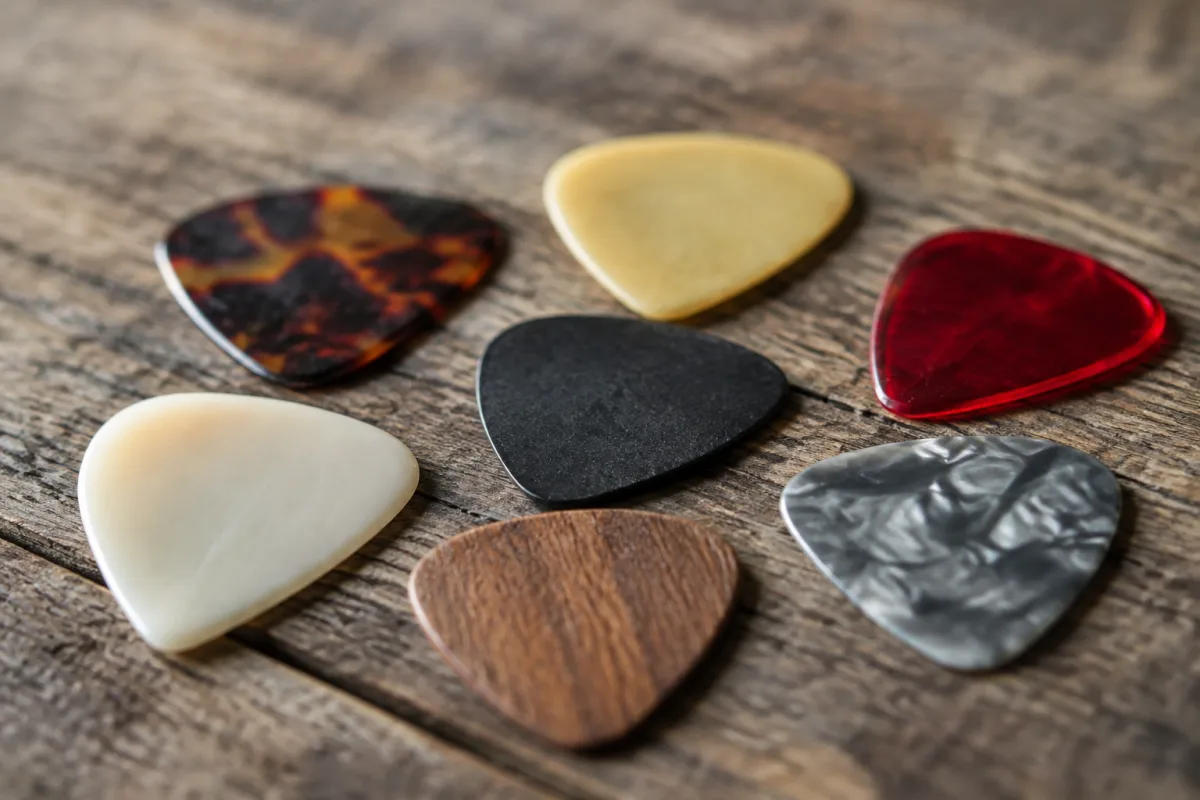
Choosing cool plectrums is surprisingly personal—more so than most musicians realise when they first start playing. A seemingly small choice between thickness, material, and shape profoundly affects tone, speed, and comfort. Most beginners grab whatever free pick they're given and assume all plectrums are interchangeable. They aren't, and finding ones you actually prefer makes playing noticeably more enjoyable.
Plectrum Thickness: Finding Your Sweet Spot
Thickness is measured in millimetres and ranges from 0.46 mm (thin) to 1.5 mm or thicker (heavy). Thin plectrums (0.46–0.73 mm) produce a warmer, brighter tone and flex easily, giving a springy feel. They're ideal for strumming acoustic guitars and rhythm work, where flexibility helps you move quickly across strings. Heavy plectrums (1.0–1.5 mm) produce a clearer, more defined tone and require more precision. They suit lead playing, classical transcription, and fast single-note work where you want every note articulate.
Medium plectrums (0.73–1.0 mm) are the practical compromise: they handle both rhythm and lead reasonably well and are the default for most players. If you're starting out, buy a variety pack with different thicknesses—they cost less than two pounds for a dozen—and spend a week with each thickness. You'll quickly notice which feels natural under your fingers and which tone appeals to your ear.
Materials and What They Mean
The vast majority of cool plectrums are made from celluloid or polycarbonate. Celluloid has a warmer, slightly floppy feel and produces a rounder tone; it's the classic choice for acoustic and jazz playing. Polycarbonate is stiffer, brighter, and more durable—it resists wear better and keeps consistent feel longer. Other materials exist: tortoiseshell (expensive, rare, ethically fraught), nylon (flexible, muted), metal (bright, harsh), and stone (smooth, unusual). For practical purposes, choose between celluloid and polycarbonate; other materials are novelty options unless you have a specific reason to use them.
Shape and Edge: Control vs. Flexibility
Standard triangular plectrums are designed for balanced strumming and lead work. Teardrop-shaped picks taper at one end, offering a pointed tip for precision and a wider base for control. Jazz-style picks are small and rounded, designed for fingerstyle technique and rhythm work in close quarters. Experimental shapes exist, but most serious players rotate between two or three standard shapes rather than constantly switching.
Pay attention to edge sharpness. New picks have sharp points that quickly dull with use. Some players prefer the bright, defined tone of a fresh pick; others prefer the smoothed tone of a worn one. Expensive picks made from premium materials resist dulling better. Budget picks wear visibly within weeks; mid-range picks last months. If you play regularly, the cost per pick used actually favours mid-range options over the cheapest alternatives.
Price Tiers and Real Value
Bulk picks from discount suppliers cost 10–20p each. Branded picks from music shops cost 30p–£1 per pick. Premium picks (Dunlop Primetone, Jim Dunlop Ultex) cost £1–£3 each. Budget picks work fine for learning; they lack consistency and wear quickly, but if you're experimenting with different thicknesses and shapes, cheap variety packs are sensible. Branded mid-range picks (£0.30–£0.60) strike a practical balance: consistent quality, reasonable durability, familiar shapes. Premium picks are genuinely better if you're gigging regularly and want every pick to feel identical, or if you've discovered a specific shape/thickness you're loyal to.
Textured Surfaces and Grip
Many cool plectrums now have textured or dimpled surfaces designed to improve grip and reduce slipping. These actually work and are especially useful if you have damp hands or play with high-energy movement on stage. Smoother picks require more grip strength; textured picks let you relax your hand slightly and play longer without fatigue. If you play long sets or find your picks slipping during fast work, a textured pick is worth trying.
Colour and Visual Preference
Colour doesn't affect sound or feel, but it's legitimately useful. Using a distinctive colour makes spotting your pick in a pile easier, and some players swear by specific colours for psychological reasons. Coloured picks cost the same as standard tortoiseshell colours, so if visual preference matters to you, choose freely. Glow-in-the-dark picks are a practical option for low-light stages or outdoor venues.
Speed and Precision Considerations
Heavier picks and pointed shapes improve precision and speed for lead work. Lighter picks and wider edges improve strumming dynamics. If you play styles like metal, progressive rock, or classical transcription, invest in heavier picks (1.0–1.5 mm). If you favour acoustic strumming or folk styles, lighter picks (0.46–0.73 mm) feel more natural. Most versatile players keep both weights on hand and switch based on the song and day.
Finding Your Preferred Pick
Taste in picks is genuinely individual. Two equally skilled players might prefer completely different picks and play identically well. Buy a variety pack, commit to using each thickness for at least five practice sessions, and notice which you naturally reach for. That preference is your answer. Don't overthink it: plectrums are inexpensive enough to experiment, and your preference will likely evolve as your playing grows more specific.
For a comprehensive overview of what plectrums are and their place in playing technique, see the complete guide to cool plectrums. When buying cool plectrums, prioritise finding a thickness and material that match your playing style and comfort; don't assume all picks are identical until you've genuinely tried different ones.
Frequently Asked Questions
What thickness should I buy as a beginner?
Start with medium plectrums (0.73–1.0 mm). They handle both strumming and lead work reasonably well, so you won't feel limited while learning. Buy a variety pack (five to twelve picks of different thicknesses) for less than two pounds and spend a week with each thickness. You'll quickly notice your preference without committing to a single type.
Do thick picks really sound different from thin ones?
Yes, noticeably so. Thin picks produce a warmer, springy tone and flex more easily; thick picks produce a clearer, brighter tone and require more control. The difference is subtle in recorded music but noticeable when you play—your feel and comfort change significantly between thicknesses.
How often should I replace my plectrum?
Budget picks start sounding dull and worn after two to four weeks of regular use. Mid-range picks last two to four months. Premium picks last four to six months or longer. You don't have to replace them when they wear; many players prefer the smoothed tone of worn picks. Rotate through several picks so you have consistent options.
Are expensive cool plectrums worth buying?
If you gig regularly and want consistent feel across multiple picks, yes—premium picks resist wear better and feel identical throughout their life. If you play casually, mid-range picks (30–60p each) offer better value. Don't overspend until you've identified a specific shape and thickness you genuinely prefer.
Does pick colour affect tone?
No. Colour is purely visual. Use it for practical reasons (visibility on stage, easy identification in a pile) or personal preference. The material (celluloid, polycarbonate, etc.) affects tone, not the colour.
What's the difference between celluloid and polycarbonate picks?
Celluloid has a warmer, slightly flexible feel and produces a rounder tone. Polycarbonate is stiffer, brighter, and more durable. For warm, jazzy acoustic tones, try celluloid. For clear, defined lead tones, try polycarbonate. Your specific playing style will likely prefer one over the other.



Comments