
Orchestral Instrument article
The Complete Guide to Orchestral Instrument
Orchestral instruments are the foundation of symphonic music. From violins to tubas, each family plays a vital role in creating the rich, blended ensemble sound that defines classical orchestral music.
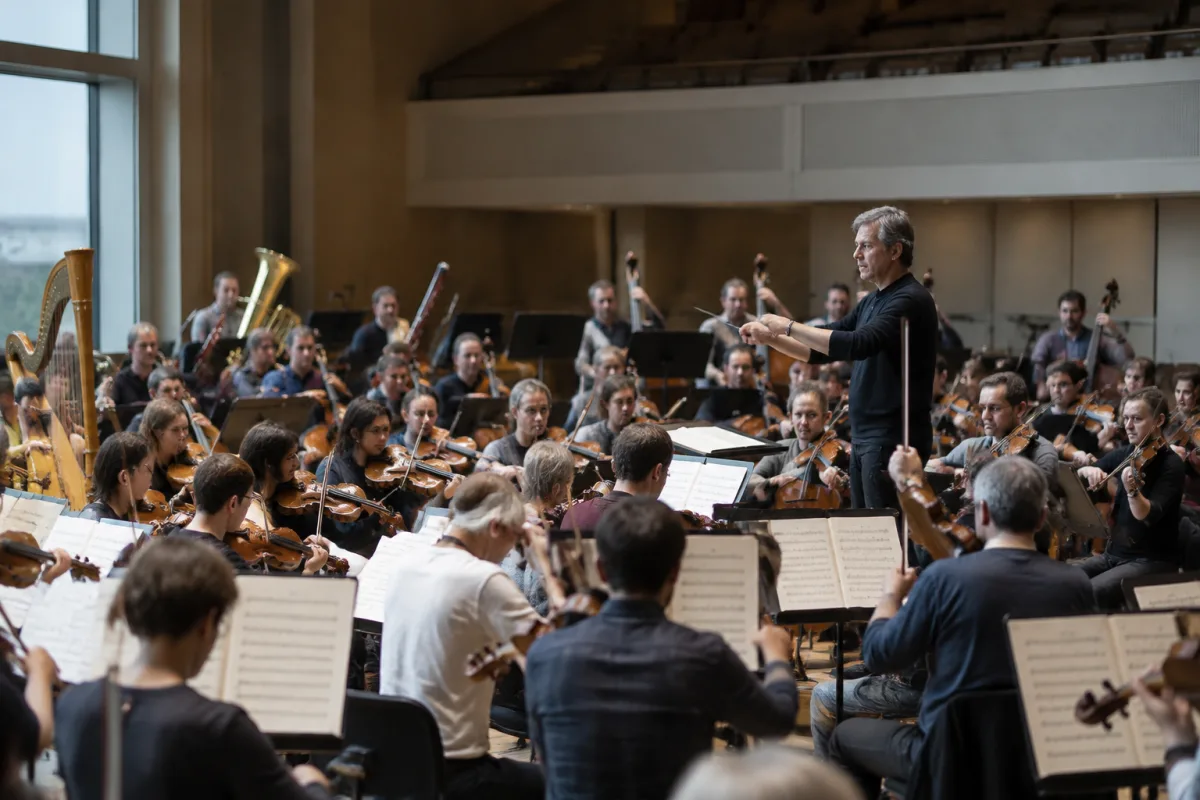
An orchestral instrument is any instrument designed to blend with and contribute to the ensemble sound of an orchestra or large ensemble. From the bright clarity of a violin to the mellow warmth of a French horn, orchestral instruments are built to project over dozens of other musicians, possess the tonal depth to sustain lengthy passages, and respond flexibly to a conductor's interpretive direction. Whether you're a young musician considering which orchestral instrument to pursue, someone curious about how orchestras work, or an enthusiast looking to deepen your appreciation of live classical music, understanding the families of orchestral instruments opens a richer listening experience and a pathway to ensemble participation.
The Four Families of Orchestral Instruments
The modern orchestra divides its instruments into four families, each with distinct tonal characteristics, ranges and roles within the ensemble:
Strings
The string section forms the backbone of most orchestral sound. Instruments in this family—violin, viola, violoncello and double bass—share a common principle: sound is generated by a bow drawn across vibrating strings. Strings are capable of extraordinary warmth, intimacy and expressive range. In an orchestra, violins typically carry the melody; violas add harmonic depth; cellos provide contrapuntal lines and mid-range resonance; and double basses anchor the ensemble with foundational bass notes. A typical orchestra features around 16 first violins, 14 second violins, 12 violas, 10 cellos and 8 double basses.
Woodwinds
Woodwind orchestral instruments produce sound via a vibrating column of air within the instrument's tube, controlled by keys and finger holes. The main woodwind orchestral instruments are flute, oboe, clarinet and bassoon. The flute sings in high, luminous tones and often carries delicate, decorative passages. The oboe's reedy, penetrating sound cuts through the ensemble and typically plays important solo passages—its vulnerability makes it ideal for intimate moments. The clarinet bridges the gap between woodwinds and brass in warmth, covering a vast range and capable of both lyrical singing and technical virtuosity. The bassoon is the low anchor of the woodwind section, delivering a thick, woody tone in lower registers and surprising agility in higher passages. A standard orchestra includes two each of flute, oboe, clarinet and bassoon, plus one piccolo and one English horn.
Brass
Brass orchestral instruments—French horn, trumpet, trombone and tuba—produce sound by the player buzzing their lips into a mouthpiece, with the instrument's tubing amplifying and colouring the resulting vibration. Brass instruments are powerful and commanding; a full brass section can rival the string section in sheer volume. French horns blend well with strings and woodwinds, adding warm, mellow colour. Trumpets are bright and cutting, often announcing themes or intensifying moments of climax. Trombones add weight and harmonic sophistication, capable of tender lyricism or martial grandeur. Tubas provide a deep, resonant foundation beneath the entire ensemble. A typical orchestra uses four French horns, three trumpets, three trombones and one tuba.
Percussion
Percussion orchestral instruments produce sound by striking, shaking or scraping. This family divides broadly into pitched percussion (timpani, xylophone, vibraphone, glockenspiel) and unpitched percussion (bass drum, snare drum, cymbals, tam-tam, triangle, castanets). Percussion reinforces rhythm, marks dramatic moments and provides textural colour. timpani—kettle drums played with mallets—are the most prominent pitched percussion in classical orchestration, capable of sustained rolls and dramatic thundering. A standard orchestra carries one percussionist covering timpani, and additional percussionists as required for other instruments depending on the score.
Characteristics of Quality Orchestral Instruments
Not every musical instrument is suited to orchestral use. Orchestral instruments must possess several key qualities:
- Projection: An orchestral instrument must carry its tone over dozens of other musicians without aggressive amplification. This requires efficient design and responsive construction.
- Tonal depth: A shallow or thin tone quickly fatigues the ear. Orchestral instruments are engineered to produce warm, multifaceted tones with natural resonance.
- Intonation stability: An out-of-tune note is magnified in an ensemble. Orchestral instruments hold tuning reliably across their entire range and under varying playing dynamics.
- Responsiveness to direction: An orchestral musician must follow a conductor's tempo changes, dynamic markings and expressive intentions. The instrument must respond instantly to these interpretive demands.
- Durability: Professional orchestral instruments are used repeatedly, often several times per week. They must withstand regular use and maintain consistency.
- Compatibility: An orchestral instrument must blend well with its section mates and with the entire ensemble. Tone quality and response characteristics matter more than individual distinctiveness.
The Role of Individual Instruments
Within each orchestral section, individual orchestral instruments have specific roles that shape ensemble balance:
| Instrument | Range/Tenor | Typical Role |
|---|---|---|
| Violin (1st/2nd) | High/soaring | Primary melody, accompaniment |
| Viola | Mid/mellow | Harmonic support, counter-melody |
| Cello | Mid-low/warm | Bass line, melodic doubling |
| Double Bass | Low/resonant | Foundation, bass anchor |
| Flute | High/bright | Melody, decorative figures |
| Oboe | Mid-high/reedy | Solo passages, harmonic warmth |
| Clarinet | Wide/lyrical | Melody, harmonic filler, solos |
| Bassoon | Low/woody | Bass support, solo character |
| French Horn | Wide/warm | Harmonic colour, punctuation |
| Trumpet | High/bright | Theme announcement, climax |
| Trombone | Wide/powerful | Harmonic support, punctuation |
| Tuba | Low/deep | Bass foundation |
Choosing an Orchestral Instrument
Young musicians often choose their orchestral instrument based on several practical considerations: physical size and strength required, cost, availability of qualified teachers, and perhaps most importantly, the sound that speaks to them emotionally. Smaller frame players may gravitate toward flute, clarinet or violin; taller or stronger players often begin with trombone, tuba or cello. Cost varies enormously—a student violin may cost £200, whilst a professional orchestral instrument can exceed £15,000. Many schools and orchestras loan instruments to students, making affordability less of a barrier initially.
If you're drawn to orchestral music and considering learning an orchestral instrument, attend a live orchestra performance if possible and really listen to each section. Which sounds speak to you? Which instruments capture your interest? Then seek a qualified teacher in your area and explore the instrument hands-on. The orchestral instrument you choose will shape decades of musical joy and ensemble participation.
Conclusion
Orchestral instruments are the voices of symphonic music, each contributing a unique perspective to the unified whole. Understanding the four families—strings, woodwinds, brass and percussion—and the specific role each orchestral instrument plays within its section deepens both appreciation for live orchestral performance and the potential pathway to learning and playing an orchestral instrument yourself. Whether you're a seasoned concertgoer or exploring classical music for the first time, the richness of orchestral sound lies in the interplay of these distinct voices, each perfectly designed for its role in the ensemble.
Frequently Asked Questions
Q: What is the most popular orchestral instrument for beginners?
A: Violin is historically popular, as is flute and clarinet. Orchestras often prefer strings; schools sometimes begin pupils on recorder before progressing to orchestral woodwinds. Talk to a teacher about which instrument best suits your age, size and temperament.
Q: How long does it take to become proficient on an orchestral instrument?
A: Basic competence typically takes 2–3 years of regular practice. To join an amateur orchestra, 3–5 years is realistic. Professional-level orchestral playing requires 10,000+ hours of deliberate practice, usually spanning childhood through early adulthood.
Q: Can adults learn an orchestral instrument?
A: Absolutely. Many adult learners join amateur orchestras after picking up an instrument in their 20s, 30s or later. You won't reach professional standard, but genuine musical satisfaction and community participation are entirely achievable.
Q: What orchestral instruments require the least physical size or strength?
A: Flute, violin, and clarinet are manageable for younger or smaller players. Piccolo is the smallest orchestral instrument. Larger instruments like tuba and double bass require more physical presence but not necessarily strength.
Q: How much does a quality orchestral instrument cost?
A: Student instruments range from £300–£1,500. Intermediate instruments cost £1,500–£5,000. Professional orchestral instruments can cost £5,000–£50,000+. Many organisations loan instruments to young players.
Q: Do orchestral instruments hold their value?
A: Quality instruments often do. A well-maintained violin or brass instrument from a respected maker may retain or even appreciate in value. Student instruments depreciate more quickly. Always purchase from a reputable dealer.
Q: Which orchestral instrument has the widest range?
A: The piano, if counted as an orchestral instrument (which some modern orchestras occasionally do), has the widest range. Among traditional orchestral instruments, French horn, clarinet and soprano saxophone all have impressive ranges spanning 3–4 octaves.
Q: Can I play in an orchestra if I haven't played since childhood?
A: Many amateur orchestras welcome returning players. You'll likely need a refresher with a teacher, but muscle memory returns quickly. Start with a community orchestra; most are welcoming to adult learners and returning musicians.


Comments